
Five scents: how a launch range is put together五款香型,怎麼配成一個系列
A fragrance range is not five pleasant scents in a box. Olfactive coverage, concentration rhythm and naming decide whether it sells.一個香水系列不是把五支好聞的香型放在一起 —— 香調覆蓋、濃度節奏和命名邏輯,決定了它能不能賣得動。
The clip above is our partner's fragrance line — five scents in one bottle format: a faceted square glass bottle, a black spherical cap and a gold label.
One packaging set, five scents. That is a very typical structure for a first fragrance order. This piece is about how those five are put together, and what to consider when planning your own range.
First: do not make all five the same olfactive family
The most common mistake is choosing five scents to personal taste — and ending up with five florals, or five heavy ones.
At retail, the range has to cover different occasions and different people. A common structure looks like this:
· Two florals — everyday wear and the female mainstream
· One fresh citrus or tea — summer, daytime, younger buyers
· One woody or oriental — autumn/winter, mature buyers, men
· One gourmand — sweet, pulling in younger buyers and gifting
The five in the clip sit in roughly that spread — Misty Blue Lily of the Valley and Wilderness Rose lean floral, Snow Ridge Tea leans fresh, Polar Cedar and Spirit Fox Trail lean woody.
Second: what you smell on a blotter is not what you get on skin
A fragrance performs in three stages: top notes (the first fifteen minutes), heart notes (half an hour to a few hours) and base notes (overnight into the next day).
Many scents open brilliantly and collapse in the base; others are unremarkable at first spray and much better later. So a scent cannot be chosen on the opening spray alone.
Our approach: assess each scent at least three times — on first spray, after two hours, and the next day. Only if all three hold up does it belong in a range.
Third: concentration sets both cost and longevity
The same scent at Parfum, EDP and EDT uses very different amounts of fragrance oil, with a large spread in cost and in how long it lasts.
Settle the concentration before discussing price. Setting price first and concentration afterwards always ends in cutting the oil load — and cutting the oil load changes the scent.
A range can mix concentrations (the hero as EDP, an entry price point as EDT), but each product's positioning has to be clear up front.
Fourth: naming should work as a system
These five names — Misty Blue Lily of the Valley, Polar Cedar, Wilderness Rose, Snow Ridge Tea, Spirit Fox Trail — are systematic: all built as modifier plus image, all with a bit of visual quality.
Systematic naming has three practical benefits: it reads as one house on the shelf; customers remember it for repeat purchase; and there is room to extend when the second range comes.
One more point: the name has to be registrable. An original name is far safer than borrowing an existing scent name, and this has to be considered at the naming stage — not after the packaging is printed.
Fifth: why a first order is usually around five scents
The number is bounded by three constraints:
Packaging minimums. The bottle and cap can be shared, but each scent needs its own label and carton, and those are per-variant.
Market testing. Five covers the main olfactive families without making each variant so small that you cannot tell which one actually sells.
Capital efficiency. Five small stocks are easier to adjust than two large ones — reorder what moves, replace what does not.
So five is not a magic number. It is the balance point between covering enough ground and keeping each variant thick enough to read. Once the range is running, add and cut on the data.
If you are building a first fragrance range
Four things are worth settling before sampling:
Olfactive coverage. Map the occasions and customers you want to cover first, then the families, and only then the specific scents.
Concentration strategy. What the hero and the entry product are dosed at directly shapes the cost structure.
Registrability of the names. Original names, checked at the naming stage.
How much packaging can be shared. Bottle, cap and pump — share as much as possible. It is the main lever on first-order cost.
The difficulty in fragrance was never finding five scents that smell good. It is organising five scents into a range you can explain.
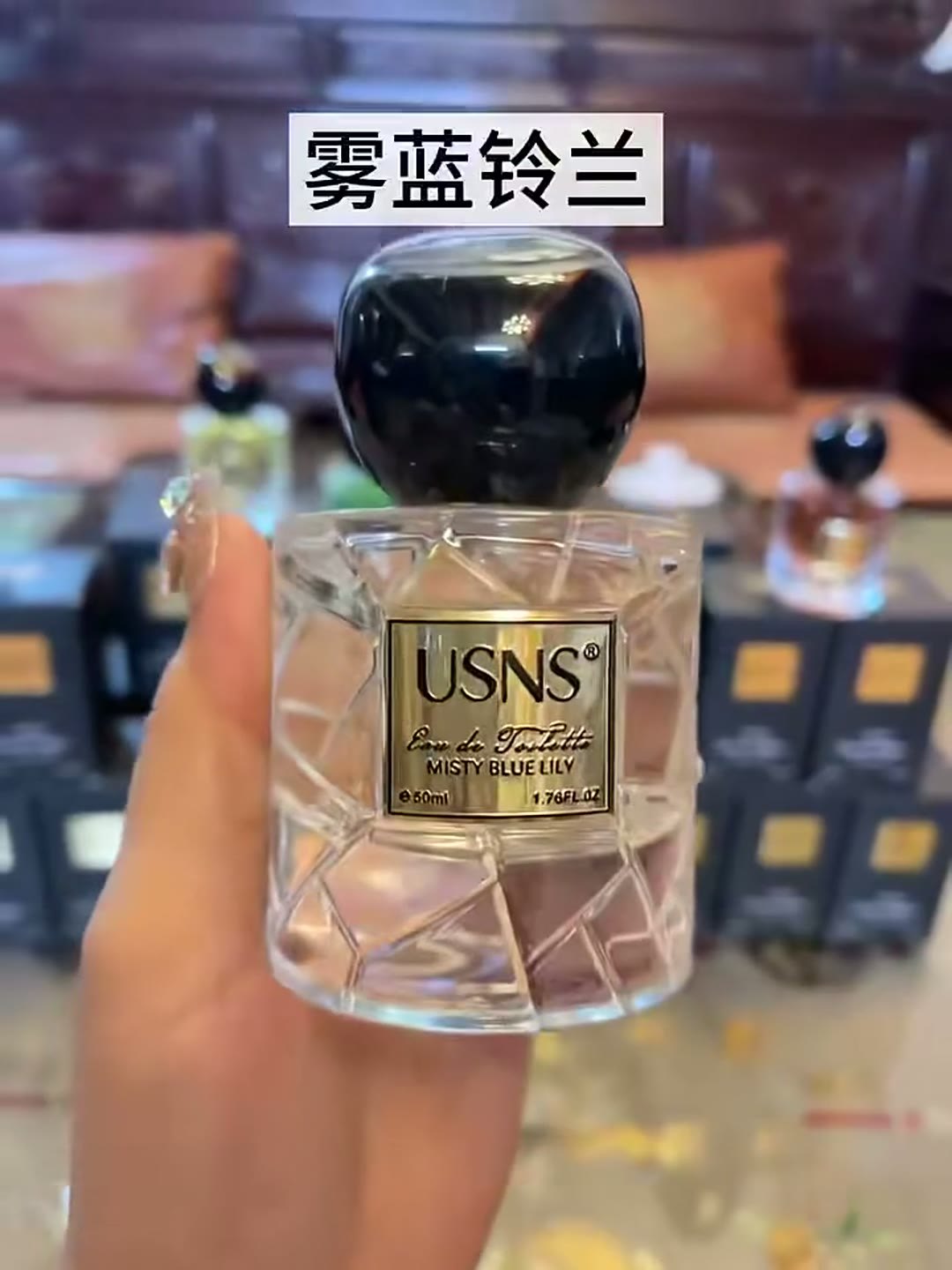
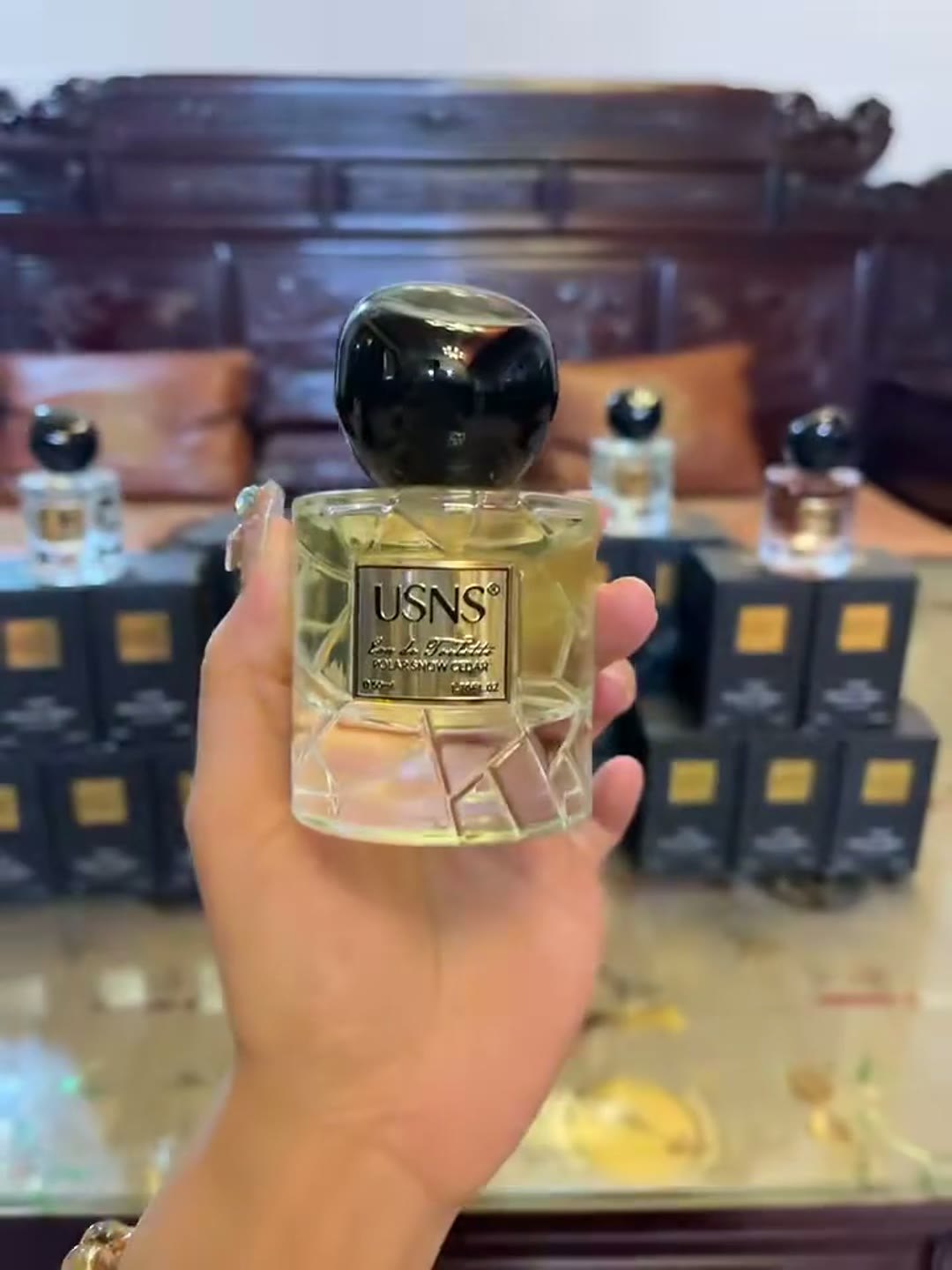
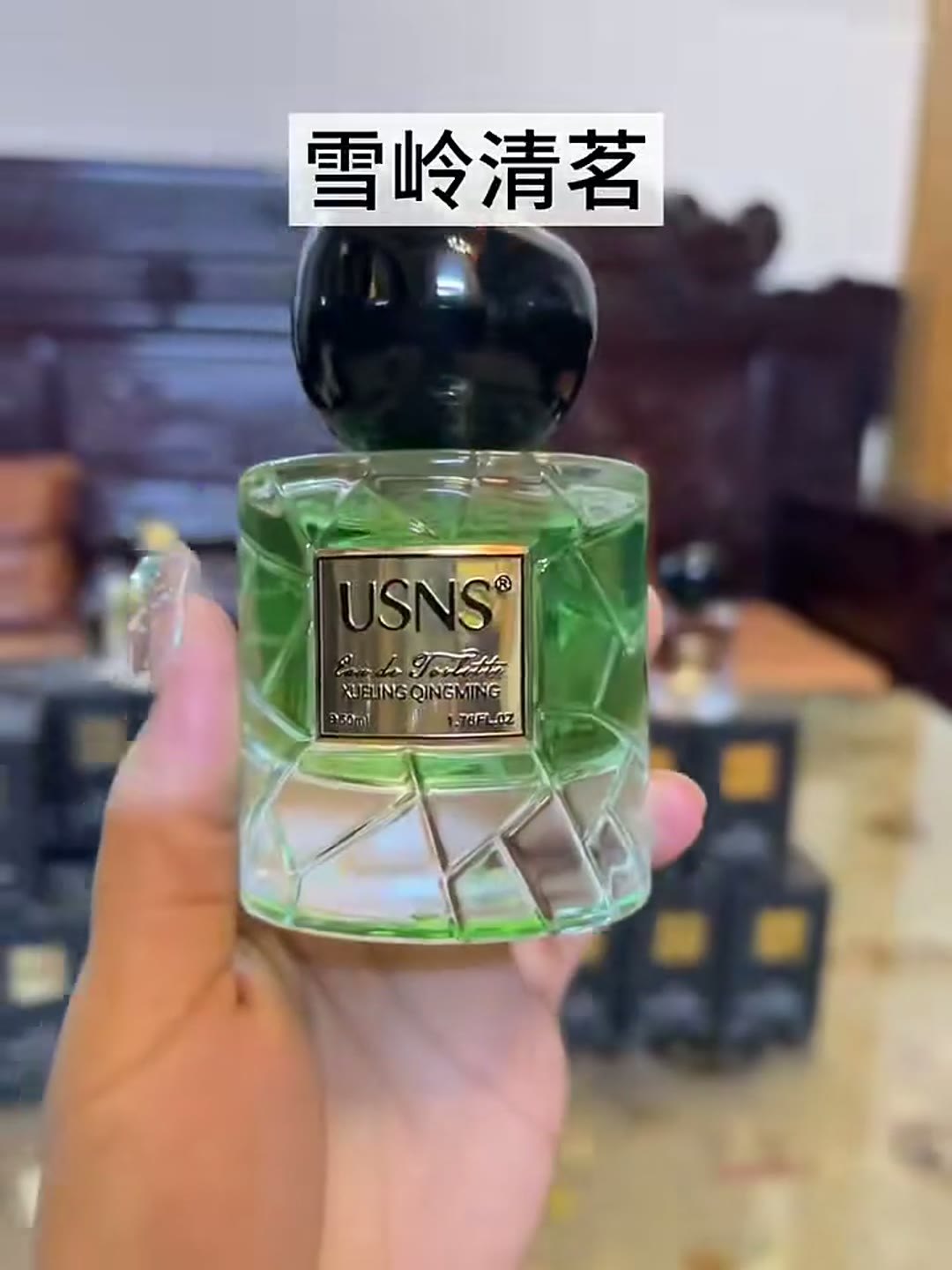
上面這段是合作方香水產品線的實拍 —— 五款香型,同一套瓶型:方形切面玻璃瓶、黑色球型蓋、金色標籤。
同一套包材、五個香型,這是很典型的香水首單結構。這一篇講的是這五款是怎麼配出來的,以及你在規劃自己的系列時要考慮什麼。
◆ 第一件事:不要五款都是同一種香調
最容易犯的錯,是按自己的喜好挑五款 —— 結果五款都是花香,或者五款都很濃。
零售端的事實是:同一個系列裡,香調要能覆蓋不同場合和不同人。常見的結構是:
· 兩款花香(覆蓋日常與女性主力)
· 一款清新柑橘或茶香(夏天、白天、年輕客群)
· 一款木質或東方(秋冬、成熟客群、男性)
· 一款美食調(甜香,拉年輕客群與送禮場景)
畫面上這五款正好落在這個分佈上 —— 霧藍鈴蘭、荒原薔薇偏花香,雪嶺清茗偏清新,極地雪杉與靈狐迷蹤偏木質。
◆ 第二件事:試香紙上聞到的,和穿在身上是兩回事
香水的表現分三段:前調(噴出來前 15 分鐘)、中調(半小時到幾小時)、後調(隔夜到第二天)。
很多香型前調很抓人,後調卻垮掉;也有些前調平淡,中後調反而好。所以選香型不能只聞剛噴出來的那一下。
我們的做法是:同一款香型至少看三次 —— 剛噴、兩小時後、隔夜。三個時間點都好,才值得進系列。
◆ 第三件事:濃度決定成本和留香
同一支香型,在 Parfum、EDP、EDT 三個濃度下,香精用量差距很大,成本與留香也差很多。
先定濃度,再談價格。 先談價格再定濃度,最後一定是砍香精比例 —— 而砍了香精,香型就變了。
一個系列裡可以混用濃度(比如主力款做 EDP,入門款做 EDT),但每一款的定位要提前說清楚。
◆ 第四件事:命名要成體系
這五個名字 —— 霧藍鈴蘭、極地雪杉、荒原薔薇、雪嶺清茗、靈狐迷蹤 —— 放在一起是成體系的:都是「修飾詞 + 物象」的兩段式結構,都帶一點畫面感。
成體系的命名有三個實際好處:貨架上認得出是一家的;客戶複購時記得住;做第二個系列時有擴展空間。
還有一個要點:名稱要能註冊。原創命名比借用現成香型名安全得多,這一點在選名階段就要考慮,不要等包材印好了才發現註冊不了。
◆ 第五件事:首單為什麼是五款左右
香水首單的數量,卡在三個約束上:
一是包材起訂量。 同一套瓶蓋可以共用,但每個香型都要自己的標籤與外盒,這部分是按款走的。
二是試銷驗證。 五款能覆蓋主要香調,又不會讓每個香型的量太小、無法判斷哪款真的好賣。
三是資金效率。 五款各備一部分庫存,比兩款備大量更容易調整 —— 賣得動的追加,賣不動的換掉。
所以五款不是一個神奇數字,而是「覆蓋夠廣」與「單款不至於太薄」之間的平衡點。系列做起來之後,再按數據增減。
◆ 如果你在做第一個香水系列
四件事建議在打樣前定下來:
一是香調覆蓋。 先畫出你想覆蓋的場合與客群,再對應到香調家族,最後才挑具體香型。
二是濃度策略。 主力款與入門款分別做什麼濃度,直接影響成本結構。
三是命名的可註冊性。 原創命名,並在選名階段就查註冊情況。
四是包材共用程度。 瓶型、蓋型、泵頭能共用的部分盡量共用 —— 這是首單能不能壓低成本的主要槓桿。
香水的門檻從來不是「找到五支好聞的香」,而是把五支香組織成一個說得清楚的系列。
Related reading相關閱讀
Questions about this process?對這道工序有疑問?
Ask us and we will answer in writing, with the batch records to back it up.問我們,我們會以書面回覆,並附上批記錄。