A mother-and-baby protection line at 50 million in two years: reading the five-SKU structure一套母嬰防護系列,兩年做到 5000 萬:5 個 SKU 的結構拆解
Patches, an oil, two roll-ons and a spray — five SKUs covering five occasions. The structure of this range is more instructive than its ingredient list.防護貼、精華油、走珠露、走珠冰露、防護噴霧 —— 五個 SKU 覆蓋五個場景。這套系列的結構,比它的成分更值得看。
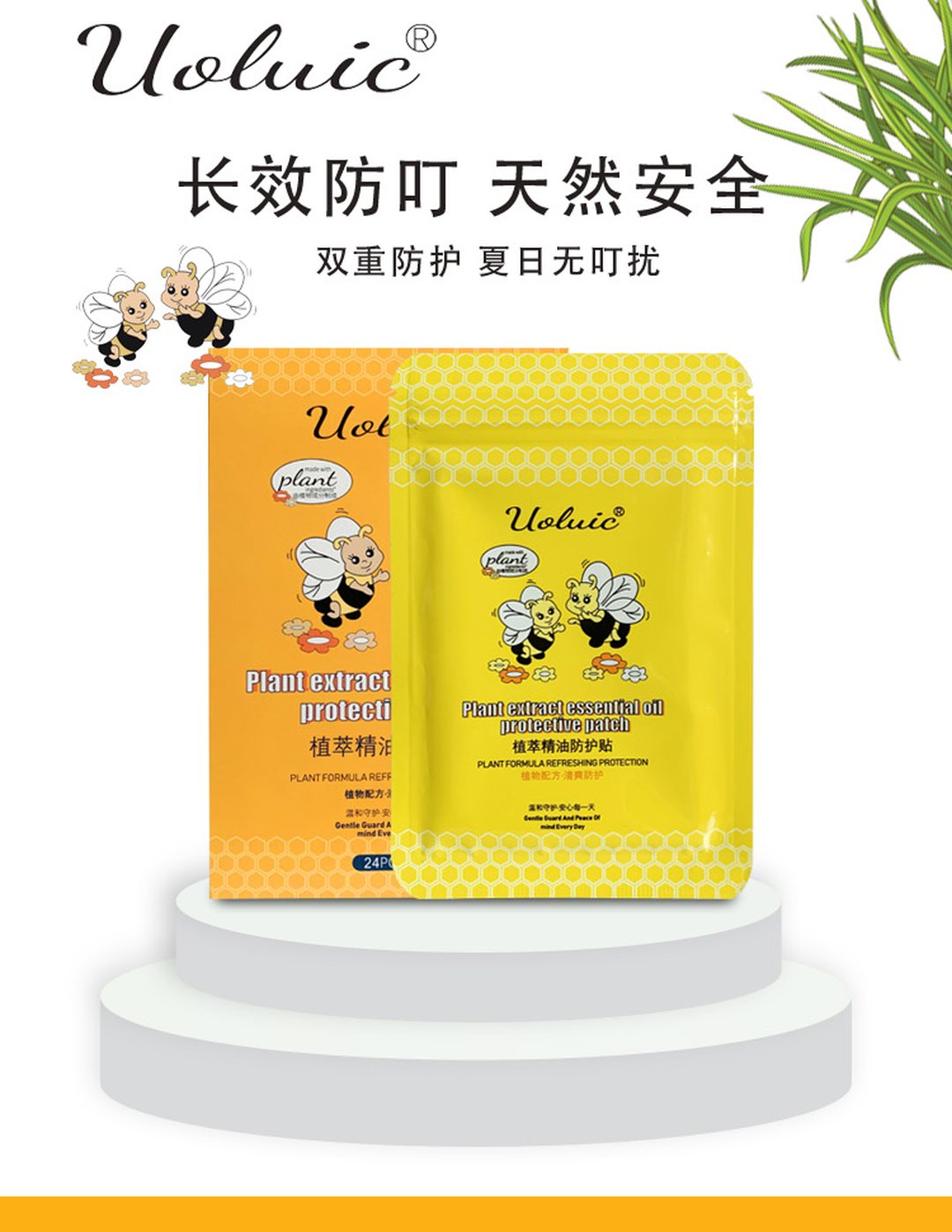
The images above are a mother-and-baby plant protection range — five SKUs. According to the brand's public statement, the range has been on the market for two years and reaches roughly 50 million CNY in annual retail sales.
This piece is not about which ingredient repels mosquitoes. It is about the structure: why these five SKUs, why these sizes, what the range is really selling — and what has to be settled before you build one.
It is not selling mosquito repellency — it is selling a set of occasions
Look at any single SKU and it is a red ocean: patches are everywhere, roll-ons have a low barrier to entry, and sprays are the most price-driven category of all.
Together, the five cover everything a family does in one summer:
· Patches (24) — applied to clothing and prams, never on skin
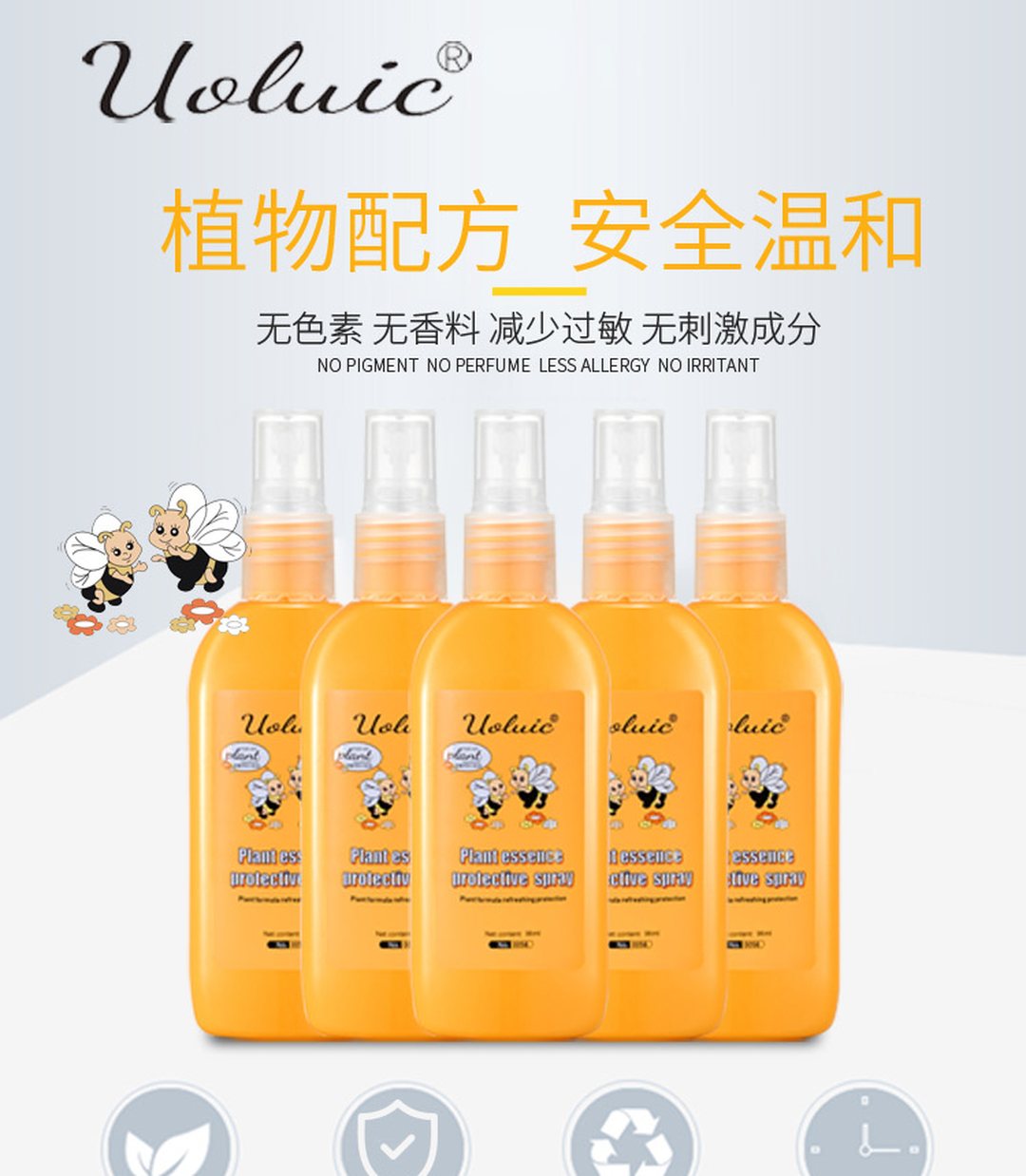
· Spray (98 ml) — large area, quick reapplication, outdoor use
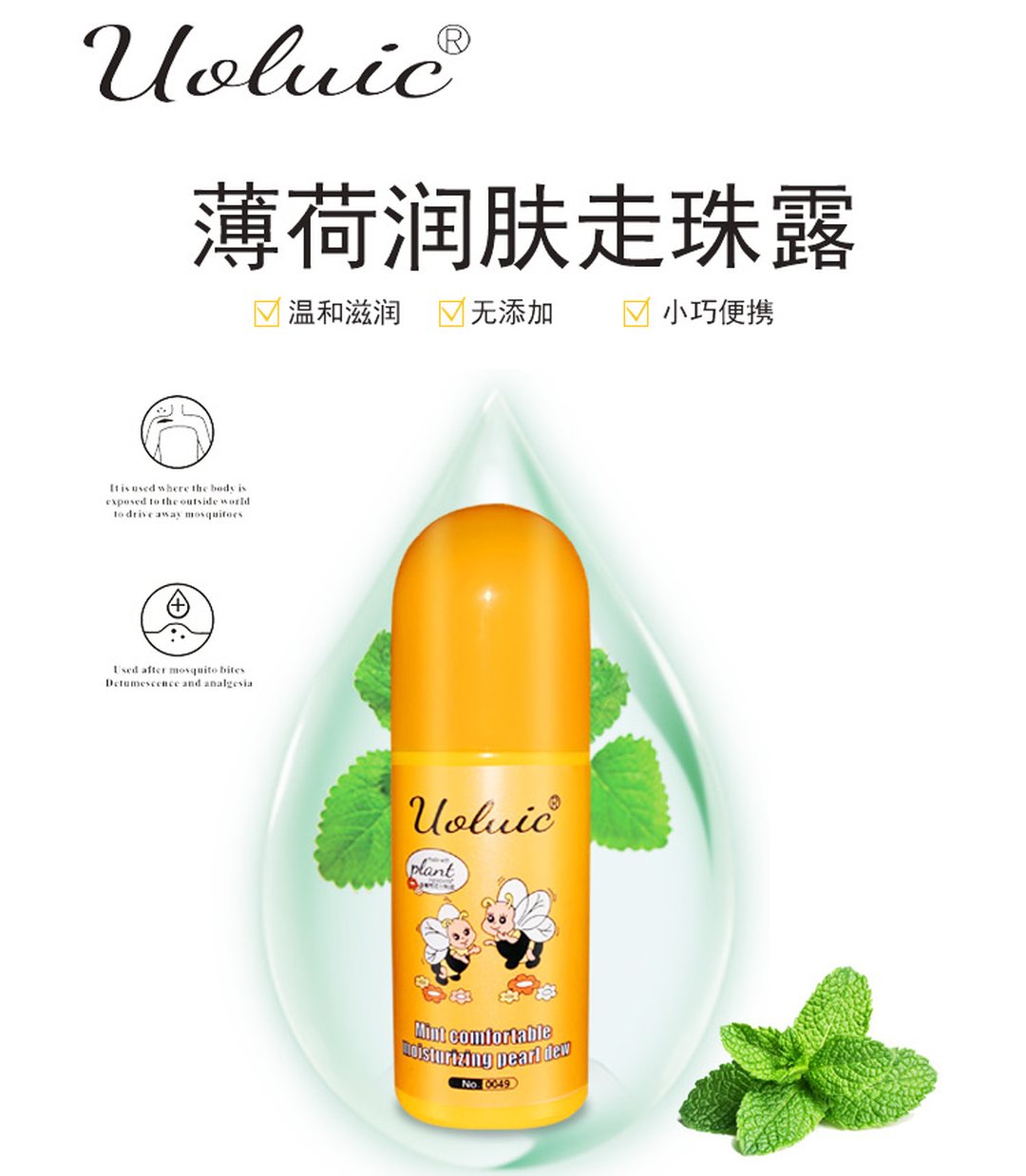
· Roll-on (50 ml) — precise application to hands and feet, light texture
· Ice roll-on (20 ml) — cooling version, carried in a bag
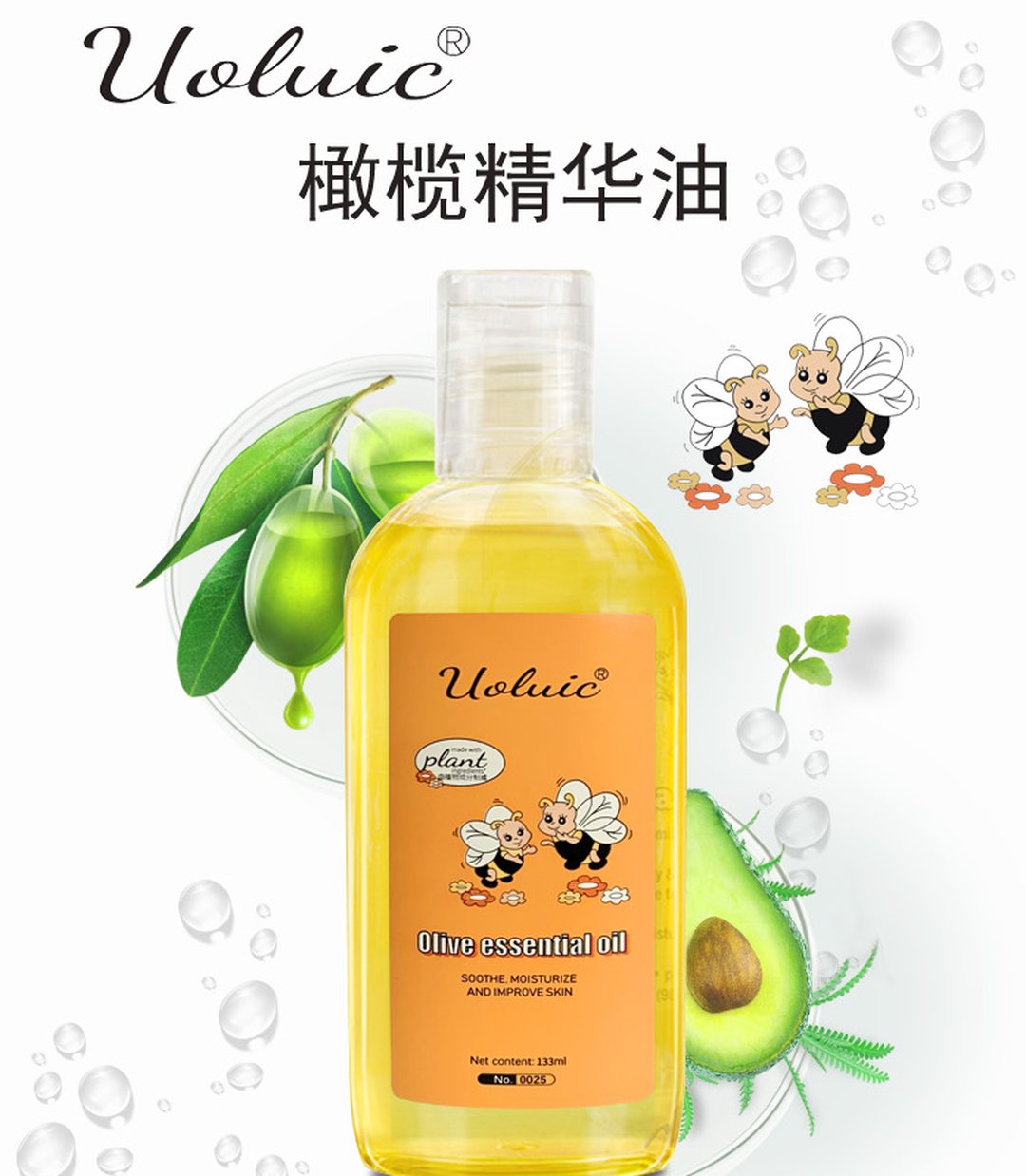
· Oil (133 ml) — the skincare line: all-over moisture and stretch marks
The difference: buying a single product is a price comparison; buying a set is choosing a solution. A range covering the whole occasion commands a higher basket, has a clear repurchase path, and is hard to displace with one product.
Ingredient strategy: all plant-derived, but each lands differently
All five SKUs sit on the same broad idea — plant extracts — but each occupies a different position:
· Patches: citronella, lemon eucalyptus, mint, mugwort — the traditional repellent combination
· Spray: lemongrass oil and lemon eucalyptus extract — the same route in liquid form
· Ice roll-on: aloe vera and menthol — cooling and soothing
· Oil: olive fruit oil — moisture and stretch marks
The advantage: one supply chain (plant extracts) supports five SKUs, so purchasing consolidates, while the consumer-facing claims do not overlap.
"Mother-and-baby safe" is where the pricing power comes from
Three phrases recur on the packaging: gentle formula, mother-and-baby safe, no colourant and no fragrance.
That is not decoration. The purchase logic of this audience is entirely different from adult categories — they are not buying the most effective, they are buying the least likely to go wrong. They will pay a premium for reassurance, and they repurchase heavily.
So the pricing power here is not ingredient concentration. It is trust, and trust rests on three things: a short ingredient list, restrained claims, and packaging that reads at a glance.
That is also the fragility: one adverse reaction or one exaggerated claim does far more damage here than in an adult category.
Sizes and packaging: the ladder is deliberate
· 24 patches — one box per season, so the repurchase cycle is one season
· 98 ml spray — enough for a summer, but not so much it goes unfinished
· 50 ml roll-on — fits in a bag
· 20 ml ice roll-on — the carry size at the lowest price point, used for acquisition
· 133 ml oil — the skincare hero, highest basket value
The sizes are doing the price laddering: 20 ml acquires, 50 ml is the standard, 98 and 133 ml carry volume. One visual system and one brand language, with the price bands pulled apart.
The skincare entry point
The most interesting SKU is the oil — the only pure skincare product, positioned on stretch marks and all-over moisture.
Putting skincare inside a protection range makes sense because protection demand is seasonal, while skincare demand runs all year. Protection acquires, skincare retains. It is a common way to turn a seasonal category into a year-round business.
One thing that has to be said: the regulatory position
This range makes two kinds of claim, and in China they sit under two entirely different regulatory systems:
· Products claiming mosquito repellency (patches, spray) are public-health pesticides, requiring pesticide registration under the Pesticide Administration Regulation and supervised by the agriculture authority. They are not cosmetics and cannot be filed as such.
· Products making only skincare claims (oil, roll-on) are cosmetics, filed or registered under the Cosmetics Supervision and Administration Regulation.
· The cooling claim in the ice roll-on, where it comes from menthol, is a sensory claim and generally stays inside cosmetics — but write "repels mosquitoes" and it moves back to the first category.
This matters commercially: one range, one packaging system, may need two entirely different sets of credentials. The cost of copying a bestseller is often not the formula or the packaging — it is the licensing.
Export adds another layer: in the EU, repellents fall under the Biocidal Products Regulation; in the US, under EPA. Neither is the cosmetics route.
What a contract manufacturer actually does in this category
The structure above is the product side. If you are building in this category, a contract manufacturer saves most of the cost in four places:
Reading the licensing path. This is the trap in this category (see the previous section). Settle at concept stage which SKUs are cosmetics filings and which need pesticide registration. Pick the wrong path and you find out after the packaging is printed — at the cost of the whole run.
Ingredients and formula. The difficulty with a plant-extract route is not what to put in, but batch stability and odour consistency — every batch of a natural extract smells slightly different and the ratios have to flatten that out. That takes accumulated formulation experience.
Packaging fit. Patches have to solve what the oil does to the adhesive (it migrates through the glue layer and the patch lifts). Roll-ons have to solve the ball and bulk fit — too tight and nothing comes out, too loose and it leaks. Sprays have to solve pump compatibility with plant oils. None of these is a formula problem; they are packaging problems, and they usually take two or three sampling rounds.
Sizes and cost structure. A 20 ml acquisition SKU and a 133 ml hero have entirely different cost structures. The manufacturer's job is to make the MOQ and unit cost of each size explicit, so you launch two or three SKUs rather than all five at once.
The barrier in this category is not whether it can be made. It is whether it can be made compliantly, at a cost that works.
Three things this range shows anyone building a brand
Start from the occasion, not the product. Five SKUs are not five products; they are one solution. Single-product thinking does not produce a premium.
Keep the ingredient route shared. All five sit on plant extracts, so the supply chain consolidates while the claims stay distinct.
Settle the licensing at concept stage. The moment a claim touches repellency, the regulatory path changes. Discovering you need pesticide registration after the packaging is printed is expensive.
In a category doing 50 million a year, the formula is usually not the hard part. Structure and licensing are.
上面幾張圖是一個母嬰植物防護系列,五個 SKU。據品牌方公開口述,該系列上市兩年,年終端零售額約 5000 萬元人民幣。
這一篇不談「哪個成分驅蚊」,而是拆它的結構 —— 為什麼是這五個 SKU、為什麼是這些規格、這條線真正賣的是什麼,以及做這個品類要提前處理什麼。
◆ 它賣的不是「驅蚊」,是「一整套場景」
單看任何一個 SKU,都是紅海:防護貼滿地都是、走珠露門檻極低、噴霧更是價格戰最凶的品類。
但這五個放在一起,覆蓋的是一個家庭整個夏天的全部場景:
· 貼(24 貼)→ 貼在衣物、嬰兒車上,不接觸皮膚
· 噴霧(98 ml)→ 大面積、快速補塗,戶外活動用
· 走珠露(50 ml)→ 精準塗抹手腳,質地清爽
· 走珠冰露(20 ml)→ 冰感款,夏天隨身攜帶
· 精華油(133 ml)→ 護膚線,母嬰全身保濕與妊娠紋
差別在於:買單品是比價,買一套是選方案。 一套覆蓋全場景的產品,客單價高、複購路徑清楚,而且很難被單品替代。
◆ 成分策略:全部走植物精油路線,但落點各不相同
五個 SKU 的成分全部落在「植物提取物」這個大方向裡,但各自的落點不重疊:
· 防護貼:香茅、檸檬桉、薄荷、艾葉 —— 傳統驅蚊植物組合
· 防護噴霧:檸檬香茅葉油、檸檬桉葉提取物 —— 同路線的液體版
· 走珠冰露:庫拉索蘆薈 + 薄荷醇 —— 打冰感與舒緩
· 精華油:油橄欖果油 —— 打保濕與妊娠紋
這樣安排的好處:同一套供應鏈(植物提取物)撐起五個 SKU,採購端集中議價,但終端賣點不重複。
◆ 「母嬰安全」是這條線的定價權
包裝上反覆出現的三個詞是「溫和配方」「母嬰安全」「無色素無香料」。
這不是裝飾。母嬰客群的購買決策邏輯跟成人品類完全不同 —— 她們不是買效果最好的,是買最不容易出事的。願意為「安心」付溢價,而且複購極高。
所以這條線的定價權不在成分濃度,在信任。而信任靠三件事撐:成分表乾淨、宣稱克制、包裝上一眼看得懂。
反過來說,這也是這條線最脆弱的地方:任何一次不良反應或誇大宣稱,傷害都比成人品類大得多。
◆ 規格與包材:大小搭配是設計過的
· 24 貼 —— 一盒用一季,複購週期就是一季
· 98 ml 噴霧 —— 剛好夠一個夏天,但不會大到用不完
· 50 ml 走珠 —— 放包裡不佔位
· 20 ml 冰露 —— 隨身款,價格帶最低,用來拉新
· 133 ml 精華油 —— 護膚線主力,客單價最高
看得出來是用規格在做價格階梯:20 ml 引流、50 ml 常規、98/133 ml 走量。同一套視覺、同一套品牌語言,但價格帶拉開。
◆ 護膚線的介入:從防護延伸到護膚
這套系列裡最值得注意的其實是精華油 —— 它是唯一的純護膚品,賣點是妊娠紋與全身保濕。
把護膚品放進防護系列,邏輯是:母嬰客群的防護需求只在夏天,護膚需求全年。用防護引流,用護膚留存 —— 這是把季節性品類做成全年生意的常見做法。
◆ 但這裡有一個必須說清楚的問題:法規
這套產品同時打了兩類宣稱,而它們在中國屬於兩套完全不同的監管體系:
· 宣稱「驅蚊/防叮」的產品(防護貼、防護噴霧) —— 屬於衛生用農藥,需按《農藥管理條例》取得農藥登記證,由農業農村部門監管。它不是化妝品,不能按化妝品備案。
· 只做護膚宣稱的產品(精華油、走珠露) —— 屬於化妝品,按《化妝品監督管理條例》備案或註冊。
· 走珠冰露的「冰感」若來自薄荷醇,屬於感官宣稱,一般不越界;但若寫成「驅蚊」就回到第一類。
這件事對品牌方的實際影響很大:同一個系列、同一套包裝,可能同時需要兩張完全不同的資質。仿一個爆品的成本,往往不是配方和包材,是資質。
如果你的產品要出口,還要再疊一層:歐盟的驅蚊產品按生物殺滅劑法規(BPR)管理,美國由 EPA 監管 —— 都不是化妝品的路徑。
◆ 這個品類,代工廠能幫上什麼
上面講的是產品結構。如果你真要做這個品類,代工廠能在四件事上省掉大量試錯:
一是資質路徑的判斷。 這是這個品類最容易踩的坑(見上一節)。立項時就要問清楚:哪些 SKU 走化妝品備案、哪些需要農藥登記。選錯路徑,包材印好才發現要重做,代價是整批包材。
二是成分與配方。 植物精油路線的難點不在「加什麼」,而在批次穩定性與氣味一致性 —— 天然提取物每批的氣味都有差異,要靠配比調整拉平。這需要配方端有累積。
三是包材配合。 防護貼要解決精油對背膠的影響(精油會滲透膠層導致脫落);走珠要解決滾珠與料體的配合(太緊不出料、太鬆會漏);噴霧要解決泵頭與植物油的相容性。這三件事都不是配方問題,是包材問題 —— 而包材問題通常要打樣二到三輪。
四是規格與成本結構。 20 ml 引流款與 133 ml 主力款的成本結構完全不同。代工廠的作用是幫你把每個規格的起訂量與單價算清,再決定先上哪幾個 SKU,而不是一次舖滿五個。
說到底,這個品類的代工門檻不在「能不能做出來」,而在能不能合規地做出來、並且成本算得過來。
◆ 對做品牌的人來說,這套系列的三點啟示
一是先想場景,再想單品。 五個 SKU 不是五個產品,是一個場景方案。單品思維做不出溢價。
二是成分路線要能共用。 五個 SKU 都在植物提取物這條線上,供應鏈集中,但賣點各異。
三是資質要在立項時就問清。 一旦宣稱碰到「驅蚊」,監管路徑就變了。等到包裝印好才發現要辦農藥登記,代價很大。
年銷 5000 萬的品類,配方往往不是最難的部分 —— 結構與資質才是。
Related reading相關閱讀
Questions about this process?對這道工序有疑問?
Ask us and we will answer in writing, with the batch records to back it up.問我們,我們會以書面回覆,並附上批記錄。