
One bottle, three samples一个瓶子,我们打了三次样
A client asked for one thing: no leaks when the bottle ships on its side. It took us three attempts to understand what that meant.客户只提了一个要求:侧放运输不能漏。我们用了三次打样,才真正听懂这句话。
◆ 序幕
Some orders you remember for a long time. This one is memorable because of a single bottle — and three attempts at it.
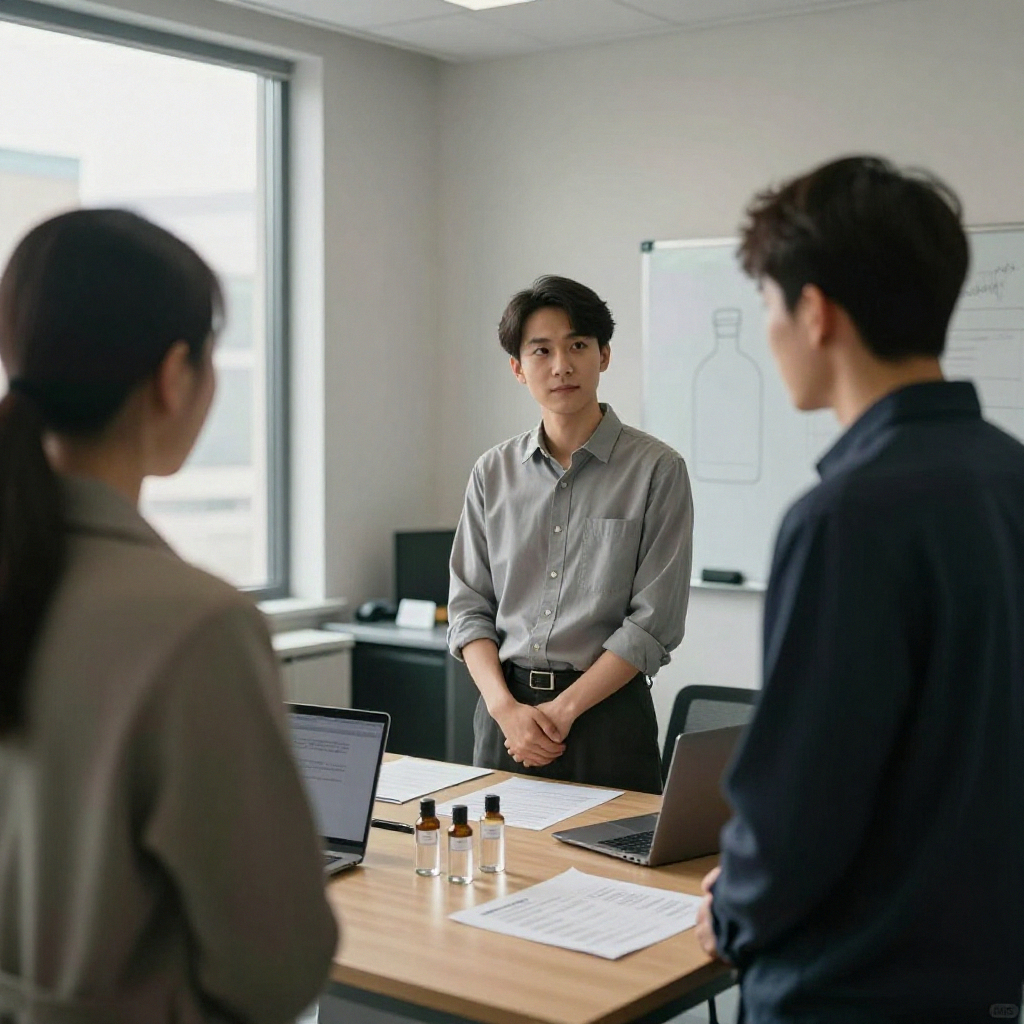
The client is a European skincare brand. On the first video call, their procurement director said something very simple: "This bottle must not leak when it ships on its side."
That was all. No specification sheet, no test standard, no reference sample. The bottle was 30ml square-shouldered glass with a screw-on dropper cap — a format we had made many times.
So my judgement at the time was: this is not a difficult job. That judgement turned out to be too optimistic.
◆ 第一幕
For the first sample we used our most proven approach: a standard threaded neck with a flat gasket. It is the most common sealing solution in the industry — low cost, simple to assemble, adequate for most products.
We sent it. The client's reply was two words: not acceptable.
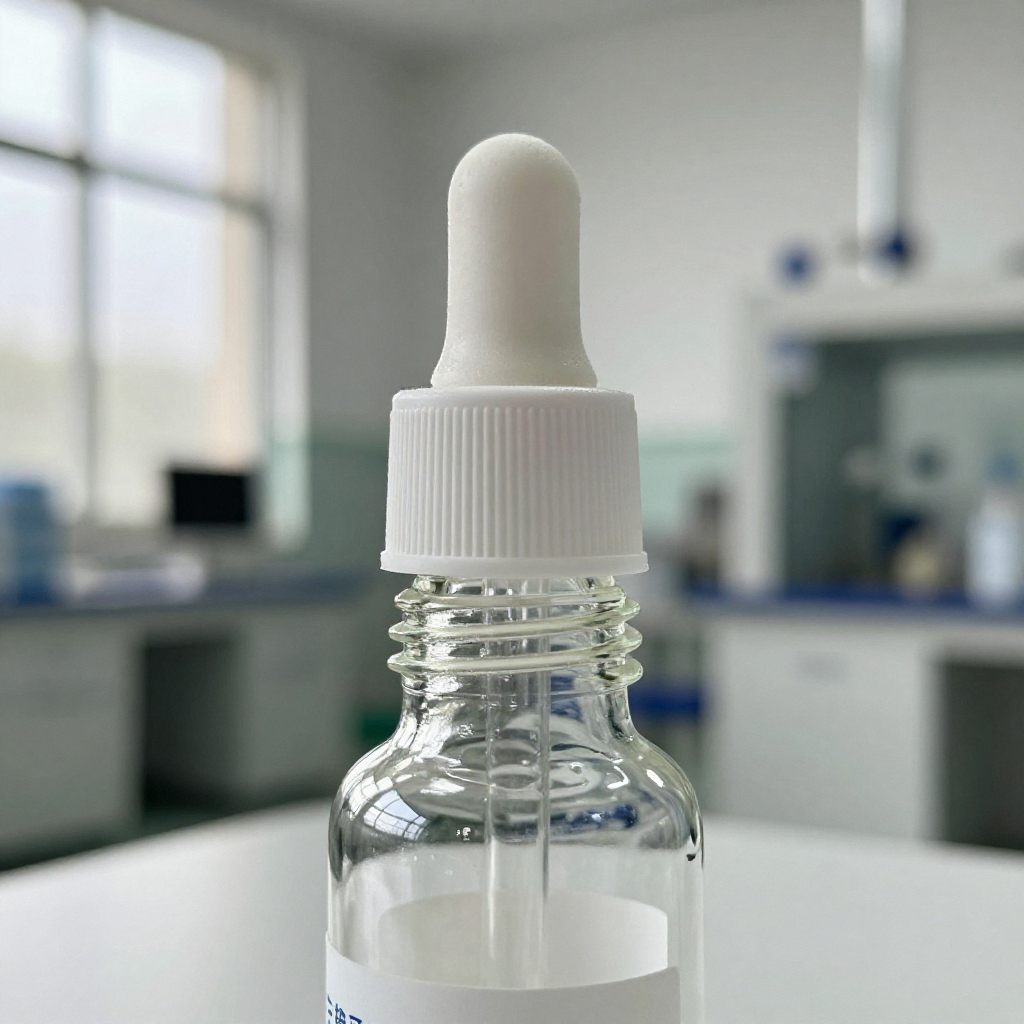
The problem was not that the work was rough. There is nothing wrong with a flat gasket. The problem was that we had assumed the client's use case — we were thinking "no seepage once the cap is tightened", and the client was thinking "the bottle lies on its side in a courier box for three days, gets knocked about the whole way, and still must not leak".
Those two things are tested completely differently in a lab. We had built for the first one.
In hindsight this attempt was avoidable. It would have taken a single question before we started: how will this bottle be shipped?
◆ 第二幕
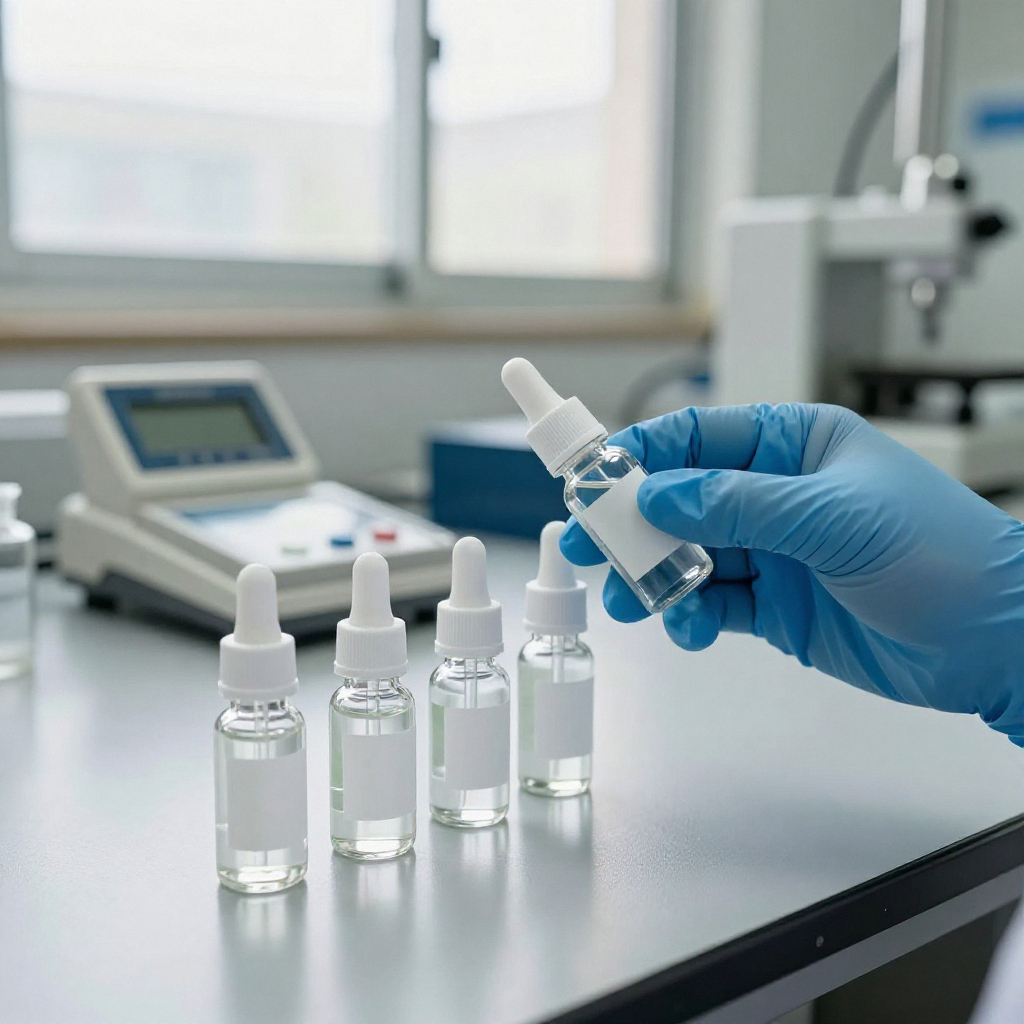
On the second attempt we deepened the sealing groove in the neck, giving the gasket more room to deform under load. The direction was right — but beyond the seal itself, it moved other things.
The neck dimension had changed, so alignment at the filling station changed with it. We saw a slight film of product on the neck wall, and greater variation in fill weight.
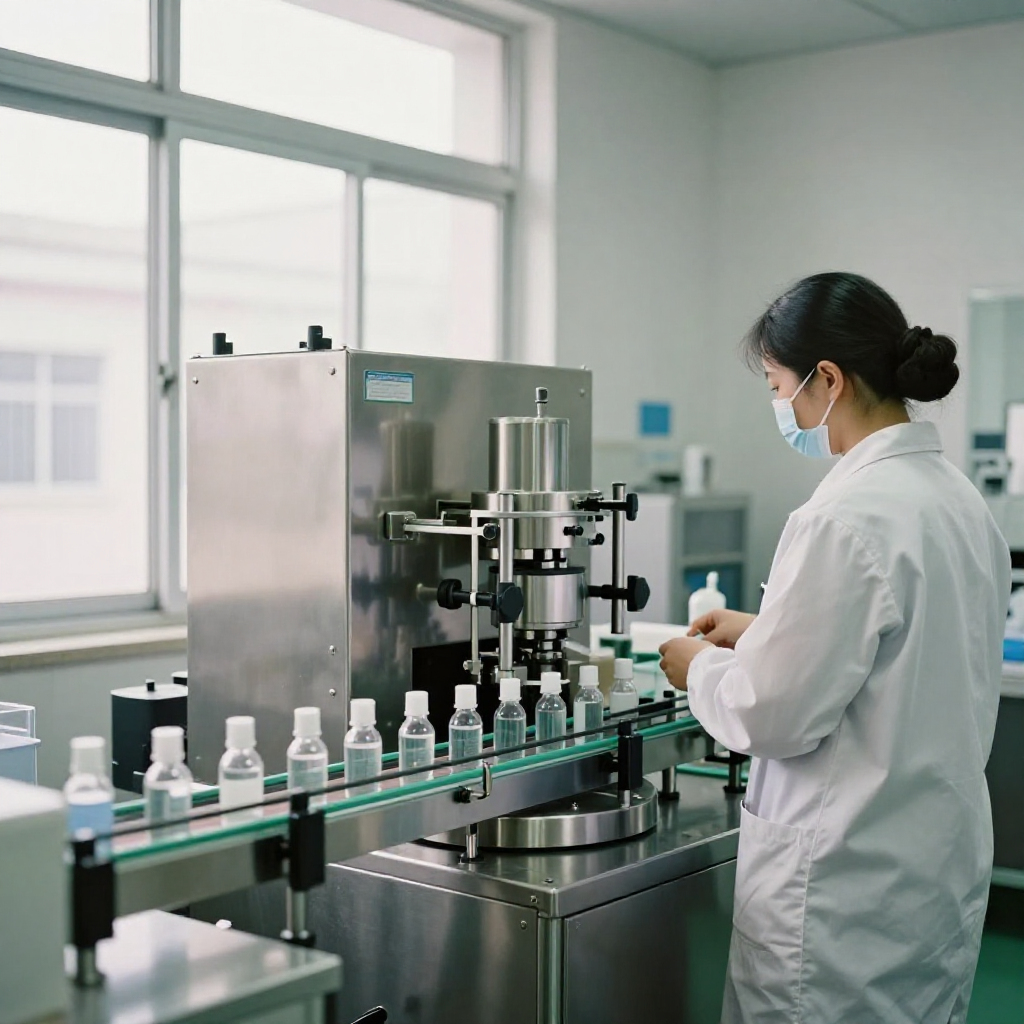
It was in the internal review that we recognised something: a bottle dimension is never changed in isolation. One dimension touches at least three things — contact area with the formula, alignment accuracy at the filling station, and force distribution at capping. On the second attempt we reviewed the seal and nothing else.
By this point the atmosphere had tightened. The client's project manager wrote that our sample was "not professional".
That stung. We have been making bottles for over a decade.
But the real turning point came on a three-way call.
Alan was in that call. She runs client communication for us, working in Chinese, English and French. After both sides had said the same things for the third time, she did not rush to translate the technical explanation we had prepared. She asked the client a question first:
"When you say it must not leak — in what situation, exactly?"
The client answered: the product sits in a carton, the carton lies on its side on a warehouse pallet, and it travels from a European warehouse to stores over two or three days.
That was the moment everyone realised the two sides had been discussing two different things. We were discussing cap torque. The client was discussing static sealing while lying on its side.
Language was only the surface. The real problem was that the requirement had never been aligned — and we had not noticed that our idea of "sealed" and the client's idea of "sealed" were not the same idea.
◆ 第三幕
Before the third sample, Hany raised a question in the meeting that none of us had asked:
"We keep asking how to make the seal better. What if the problem is not the sealing structure, but the width of the contact face between the neck and the gasket?"
That single question turned the discussion around. We stopped asking "how do we make A better" and first established whether A was even the critical item.
The third design reworked the sealing structure at the neck, and changed the gasket to a material that returns more consistently after compression. We sent the sample. The client ran a static side-lay test.
It passed.
◆ 尾聲
Along with the sample we attached something: a table showing what had changed at each attempt, why, and which judgement had been wrong.
Their procurement director said something we still quote:
"You got it wrong the first time. But you knew where you went wrong."
The one thing we did right: we showed the reasoning, not just the conclusion. The client did not need us to say "this is better". He needed to know why — because he signs the order, and he carries the launch risk.
The order was placed, and we still work together today. But more important than the order were three things we changed afterwards:
First, align the scenario before the parameters. Our sample request form now has a mandatory field: shipping method and consumer use action.
Second, any dimension change needs a knock-on review. One dimension affects compatibility, alignment and load. Not just on the drawing — we run it on the filling line.
Third, replace the adjective with a scenario. When a client says "good seal", "premium feel" or "looks expensive", we now ask them to convert that word into a concrete situation: how the bottle will be shipped, and how the consumer will use it.
Three samples for one bottle is not a small cost. But if it stopped us walking the same detour again, then those three attempts were worth it.
❓ Three questions
How many sample rounds is normal? It depends on the bottle and the sealing requirement. With a standard stock bottle, one round is usually enough. Where a new mould is needed, or the seal has a specific use case such as side-laid shipping, two or three rounds is common. The important part is asking, each time, why the previous version failed.
How long does sampling take? Around 5–7 working days for a standard bottle. Tooling is additional. Ask our team for the actual schedule — we give real dates, not optimistic ones.
What if the sample keeps failing? We break "failing" down into measurable items instead of repeatedly changing the design. The story above is the example: on the first two attempts we were changing parameters, when what actually needed changing was our understanding of the word "sealed".

◆ 序幕
有些单子,你会记很久。这一单是因为一个瓶子,我们打了三次样。
客户是欧洲的一个护肤品牌。第一次开视频会,他们的采购总监说得很简单:「这个瓶子,侧放运输不能漏。」
就这一句话。没有规格书,没有测试标准,没有参考样品。瓶子是 30ml 的方肩玻璃瓶,配旋转滴管盖 —— 这类瓶型我们做过不少。
所以当时我的判断是:这单不难。这个判断,后来被证明过于乐观。
◆ 第一幕:我们做对了常规,做错了方向
第一次打样,我们按最成熟的做法出了样:标准螺纹瓶口配平面胶圈。这是行业里最常见的密封方案,成本低、装配简单,对大多数产品都够用。
样品寄出去之后,客户的回复只有两个字:不行。
问题不是我们做得粗糙。平面胶圈本身没有问题,问题出在我们默认了客户的使用场景 —— 我们想的是「拧紧之后不渗漏」,客户想的是「瓶子在快递箱里侧放三天,一路颠簸,还是不能漏」。
这两件事在实验室里的测法完全不同。我们做的是前者。
回头看,这次失败本来是可以避免的。只要在开工前多问一句:这个瓶子会怎么运输?
◆ 第二幕:改对了参数,漏掉了连带影响
第二次,我们加深了瓶口的密封槽,让胶圈在受压时有更多形变空间。方向是对的,但在技术之外,它牵动了别的东西。
瓶口尺寸改了,灌装工位的对位跟着变,灌装时出现轻微的挂壁,灌装量的波动也变大了。
我们内部复盘时才意识到一件事:瓶子的尺寸改动,从来不是孤立的。一个尺寸会牵动至少三处 —— 与内容物的接触面积、灌装工位的对位精度、旋盖时的受力分布。第二次我们只复核了密封,另外两处没看。
到这一步,气氛开始紧张。客户方的项目经理在邮件里写,我们的样品「不够专业」。
这句话让团队很难受。我们做了十几年的瓶子,被说不专业。
但真正的转折,发生在一次三方电话里。
那天 Alan 在场。她负责我们的客户沟通,中文、英文、法语都能用。在双方各自说完第三遍之后,她没有急着翻译我们准备好的那份技术说明,而是先问了客户一个问题:
「你们说的『不能漏』,具体是在什么情况下?」
客户回答:产品装在纸盒里,盒子侧放在仓储托盘上,从欧洲仓发到门店,路上两三天。
那一刻,所有人都意识到:双方一直在讨论两件不同的事。我们在讨论旋盖扭力,客户在讨论侧放静置的密封。
语言不通只是表层。真正的问题是需求没有对齐 —— 而我们自己也没意识到,我们理解的「密封」和客户理解的「密封」不是一回事。
◆ 第三幕:换一个问法
第三次打样前,Hany 在会上提了一个问题,这个问题我们之前谁都没想过:
「我们一直在想怎么把密封做得更好。但如果问题不在密封结构,而在瓶口和胶圈的接触面宽度呢?」
这句话把讨论的方向整个换了。我们不再问「怎么把 A 做得更好」,而是先确认「A 到底是不是那个关键项」。
第三次的方案,我们重新设计了瓶口的密封结构,并换了一种在受压形变后回弹更稳定的胶圈材质。样品寄出后,客户做了侧放静置测试。
通过了。
◆ 尾聲:让客户点头的,其实不是样品
我们在寄样的同时,附了一份东西:把三次打样分别改了哪里、为什么改、哪一次判断错了,做成了一张表。
客户的采购总监后来说了一句话,我们记到现在:
「你们第一次做错了。但你们知道自己错在哪。」
我们做对的一件事是:把判断的依据摆出来,而不只是给结论。客户不需要我们说「这样更好」,他需要知道为什么 —— 因为最终签单的是他,承担上市风险的人也是他。
这笔单最后签了,到现在还在合作。但比签单更重要的,是这件事之后我们改掉的三件事:
第一,开工前先对齐场景,不是先对齐参数。现在我们的打样单上有一栏必填:运输方式与消费者的使用动作。
第二,任何尺寸改动都要做连带复核。一个尺寸牵动相容性、对位精度和受力分布三处,不只在图纸上确认,还要在灌装线上实际跑一遍。
第三,把形容词换成场景。客户说「密封要好」「手感要高级」「看起来很贵」,我们现在的做法是请他换成一个具体的场景:瓶子会怎么被运输、消费者会怎么用它。
一个瓶子打了三次样,代价不算小。但如果这件事让我们从此不再绕同一条弯路,那这三次就是值的。
❓ 三問
打样一般要几次才算正常? 看瓶型和密封要求。用市面上的通用瓶型,一次通常就够;需要开新模、或者对密封有特殊场景要求(比如侧放运输),两到三次是常见的。关键是每一次都要问清「上一版为什么不行」。
你们打样要多久? 常规瓶型打样约 5–7 个工作日。需要开模的另计。具体排期请询我们的业务同事 —— 我们会给到实际日期,不给乐观日期。
如果样品一直不通过怎么办? 我们会先把「不通过」拆成可测量的项,而不是一直改方案。上面这个故事就是例子:前两次我们在改参数,但真正需要改的是我们对「密封」这个词的理解。
Related reading相關閱讀
Questions about this process?對這道工序有疑問?
Ask us and we will answer in writing, with the batch records to back it up.問我們,我們會以書面回覆,並附上批記錄。