One lipstick, two filings一支唇膏,兩道備案
A tinted lip balm files as an ordinary cosmetic; a lipstick that claims sun protection registers as a special one. From 1 January 2027 the bacterial limit for lip products tightens from 500 to 100 CFU/g — a change that reaches the factory floor before it reaches the label.有色的潤唇膏走備案,帶防曬宣稱的唇膏走註冊。2027 年 1 月 1 日起,口唇化妝品的菌落總數限值從 500 收到 100 CFU/g —— 這條線,會先改變工廠的清潔流程,再改變貨架上的標籤。
Scene 1 · The client call, Wednesday, four in the afternoon
Amira dialled in from Dubai at half past four, which is late enough for her to still be in the office and early enough for her to still be making decisions. She had a product on her screen that she liked very much and a question she could not stop asking. The product was a tinted lip balm from a European brand. The question was this: her buyers in the Gulf, in Nigeria and in Kenya are asking for the same thing with one more word on the carton — SPF. She wanted to know, in the way people want to know when they are about to spend money, whether we could build that version, and how long it would take, and whether the number on the label could be higher.
Qiang did not answer the SPF question first. He asked what else was on the carton. Amira listed it: moisturising, tinted, long-wear, and a shade range she had already sold through twice in Dubai. Fine, he said. Then he asked the second question, which was the one that actually mattered: does the product claim sun protection, or does it merely sit next to one on a shelf. The difference between those two sentences is the difference between a filing and a registration, and between a two-month project and a six-month one.
May had the file open by the time the call ended. She had one question of her own, asked after Amira hung up, and it was not a polite question. Have you ever registered a special cosmetic, she said, not a person, a person, but a product. Qiang said no. Then he said, that is exactly what we should not decide on a call, and that the first thing we do is not to answer the client at all.
There is a version of this industry where the answer is a yes and a delivery date. A tinted balm is a tinted balm, and SPF is a number you add to the artwork. That version does not exist, and it does not exist because of a sentence in a document that was revised this January and takes effect in fourteen months.
Scene 2 · Ordinary filing, special registration
Under the Chinese cosmetics regulation, a cosmetic is defined as a product applied to skin, hair, nails or the lips for cleaning, protecting, beautifying or modifying. Everything else follows from one line: products for hair dyeing, perming, whitening and sun protection, hair-loss prevention, and products claiming new efficacy are special cosmetics, and special cosmetics require registration with the national regulator. Ordinary cosmetics only require a filing with the provincial authority before they go on sale.
A tinted lip balm that claims moisturising and colour is an ordinary cosmetic. It files. Amira's SPF version is not. A sun-protection claim on a lip product moves the product into the special category, which means a registration certificate rather than a filing number, a safety assessment, efficacy substantiation for the protection claim itself, and a timeline that nobody can compress by adding people to a project. The interesting part is not that this rule exists. It is how easily a marketing conversation turns into an ordinary product and then back into a special one without anyone noticing.
It is also worth being precise about what lip products cannot say, because the wording matters more than people expect. Labels may not state or imply any medical effect. The medical vocabulary list in the operational guidance is blunt: medicated cosmetics, medicinal use, treatment, anti-ageing. Labels may not be false or misleading. And for anything claiming a quantified result, the label has to carry the conditions and the cautions attached to that number. A lip product that says long-wear has to be able to say what long-wear means.
There is one more asymmetry that catches people out, and it has nothing to do with colour. The 2026 revision to the safety technical standard tightened the total bacterial count for lip cosmetics, eye cosmetics and children's cosmetics from 500 CFU/g or CFU/mL to 100, and dioxane from 30 mg/kg to 10 mg/kg for products containing ethoxy-structure raw materials. Both take effect on 1 January 2027. For most categories this is a laboratory change. For lips it is a manufacturing change, because a product applied to the mouth is a product the customer licks, and the microbial question stops being a certificate and becomes a line hygiene question.
Scene 3 · What changes on the factory floor
The most interesting number in Amira's project was not on the artwork. It was 100 CFU per gram, and it meant that the cleanroom protocols for the wax-based line had to be re-written and re-validated in the year ahead. An anhydrous wax base sounds like an easy target for microbiology, and in the laboratory it behaves like one. The difficulty is the line, not the formula. A hot-pour line running multi-cavity moulds leaves a lip balm exposed to filling equipment, to conveyor transfer, to the handling of a product that is then wrapped by hand in some plants.
Xiao Lin from formulation spent the first call listing what would have to be measured rather than what would have to be changed. Microbial limits and the test methods behind them. Challenge testing on the finished product in its final pack. The stability programme, because a wax base in a hot climate is a different object from a wax base in a temperate one. Fill weight, because a 3 g or 4 g bullet has a net content tolerance that is checked in grams and is the single fastest way for a shipment to be held.
Colour is the other half, and it is where lip products are more demanding than they look. A tinted balm is pigment dispersed in a wax-and-oil base, and every shade has to be matched against the customer's reference with a colour difference value agreed in advance, then re-checked on a different line and a different shift. We develop and colour-match lip and powder products in-house and run them at a partner facility licensed for powder and wax units. That arrangement is ordinary for this category and it changes the paperwork: the partner makes it, we develop it, and we own the label claims.
The third conversation was about what the client actually wants to buy. Amira did not want a formula. She wanted a range, a shade story and a carton that says the right words, in three languages, with a certificate her own distributor will accept without a phone call. That is a different deliverable, and it is the one we are actually paid for.
Scene 4 · The ingredient list that closes doors
The second conversation was with Xiao Lin, who had the standard's amendment open on her screen and a short list of ingredients she was crossing out with a pen. Four-methylbenzylidene camphor, which had been a permitted UV filter, becomes a prohibited substance from 1 January 2027. Water-soluble salicylic acid, which is the workhorse of a lot of lip-exfoliating claims, drops to a maximum of 0.5 per cent for products applied to mucous membranes — lipsticks, eye shadow, mascara, eyeliner — under the schedule that takes effect in 2028. Climbazole, a preservative with a long history in this category, goes from 0.5 per cent to 0.2 per cent for lip products.
None of those changes is dramatic on its own. Together they redraw the formulation space. A lip product with an exfoliating claim has to be rebuilt around a concentration that is a fraction of what the category used, and the label has to say so, because a label using salicylic acid has to carry the condition text and the warning for children under three. A lip product with sun protection has to be rebuilt around filters that will still be permitted in 2027, and that list is short.
The sunscreen filters themselves make the same point in a different direction. Benzophenone-3 is capped at 6 per cent for face, eye and lip products; homosalate at 7.34 per cent for face, eye and lip; octocrylene at 9 per cent for aerosols and 10 per cent for everything else. These are ceilings, not targets. The number that goes on the carton is set by testing, and the test has to run on the formula that goes in the tube. A lipstick that is reformulated after its SPF test is a lipstick with a number that describes a product that no longer exists.
May asked the question she always asks, which is who signs it. In China the registrant or filer is responsible for the safety and quality of the product and for the truth of every efficacy claim, and publishes the evidence for those claims. Whoever signs is accountable for the certificate, the label and the report. That is why the conversation about which name goes on the paperwork takes longer than the conversation about which shade goes on the carton.
Scene 5 · The label, tested before it is printed
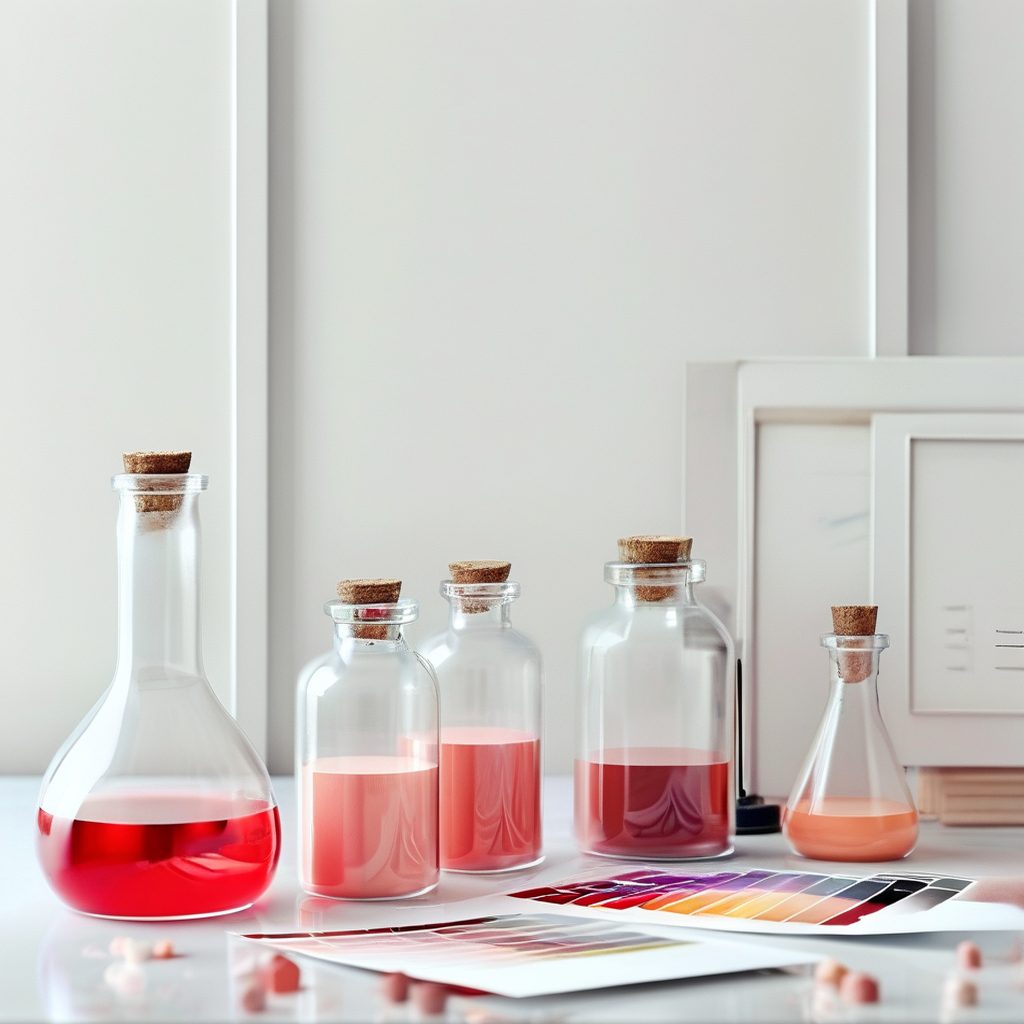
By the third week the product had a name, a shade list and a set of claims that survived the legal screen, which was the point. It claims moisturising, it claims a comfortable long-wear texture, and it carries the shade numbers the customer has already sold twice. It does not claim sun protection, because that version is a separate product with a separate registration and a separate test programme. It does not use medical vocabulary, because a lip balm that treats chapping is a sentence that ends the conversation with the regulator.
The label work was the part Amira had expected to be quick. Small pack sizes make it the least: a product with a net content of 15 g or 15 ml or less needs only the product name, the registration or filing number, the name of the registrant or filer, the net content and the period after opening on the visible sales packaging, with the rest permitted to move into the accompanying leaflet. The temptation is to treat that as a shortcut and print a full label anyway. The temptation is worse the other way: to print a full label with claims on it that the filing does not support.
Then the photographs, which is where May spends more time than anyone expects. Tinted products are judged on the wall of a shop, and the wall shows the tube, the bullet and the swatch together. We shoot plain products, no branding on the packaging, and the swatch is shot on skin in the same light as the tube so the shade a buyer sees online is the shade they receive. Every caption under those photographs has to survive the same screen as the carton copy, because a photograph that implies a claim the label cannot carry is still marketing material.
Three words came off the artwork in that week. One was the sun-protection number. One was a medical term for dry lips. The third was a duration claim that no test had been run to support. What replaced them was longer and less exciting: moisturising comfort, a weightless feel, a shade range the client has already sold through.
Scene 6 · Two ways to buy the same project
On the last call Amira got the answer she had asked for on the first one, and it was not the answer she wanted. The tinted version files as an ordinary cosmetic. The version with sun protection on the carton registers as a special one, needs its own efficacy substantiation, needs its own stability and challenge testing on the final formula, and needs a formulation rebuilt around filters that remain permitted. She would take the tinted version first, launch it into the three markets, and treat the sun-protection version as a separate programme with its own calendar.
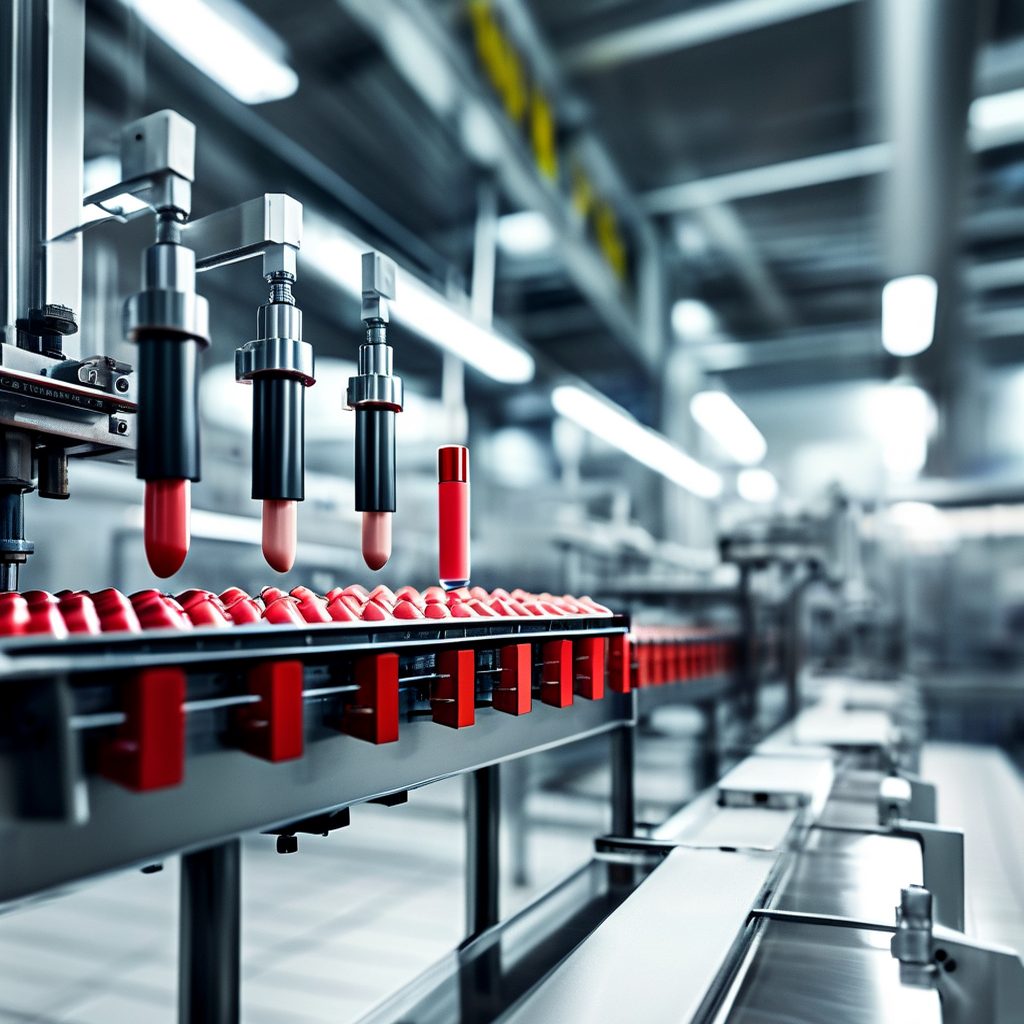
Qiang added the part he wanted on the record. The lip category is not a cheap category to rush, because the mouth is where a product is swallowed a little every day. But it is also not a category where you need a laboratory of your own to start, because the wax line, the colour development and the matching run at a partner facility licensed for powder and wax units, and what we sell is the development, the matching, the documentation and the label that survives an inspection.
Before they hung up, May wrote the line she usually writes, which is the one that keeps the work honest. Every sentence on the carton has to have a document behind it, and the document has to describe the product in the tube. That sentence is why the SPF version is a six-month project and the tinted version is a two-month project, and it is also why both of them are real projects rather than artwork.
The order on the desk that evening was small and unglamorous: a filing package for the tinted range, a rewrite of the cleanroom protocols for the 100 CFU limit, a filter list for the sun-protection version, and a shade card for the six colours Amira had sold twice in Dubai. Four documents, four different kinds of promise, and one rule about all of them.
Frequently asked questions
Q: Is a tinted lip balm an ordinary cosmetic or a special one in China?
A: An ordinary one, if it claims moisturising and colour only. Ordinary cosmetics are filed with the provincial authority before sale; the filing number carries the province code and the words for cosmetics internet filing.
Q: What makes a lip product a special cosmetic?
A: A sun-protection claim on the carton. Special cosmetics include products for hair dyeing, perming, whitening, sun protection, hair-loss prevention and products claiming new efficacy. They are registered with the national regulator, not filed provincially.
Q: What changes on 1 January 2027?
A: The total bacterial count limit for lip, eye and children's cosmetics tightens from 500 to 100 CFU/g or CFU/mL, and the dioxane limit drops from 30 to 10 mg/kg for products containing ethoxy-structure raw materials. It is a laboratory change on paper and a line-hygiene change on the floor.
Q: Is salicylic acid allowed in a lip product?
A: Yes, with limits. For products applied to mucous membranes such as lipsticks, eye shadow, mascara and eyeliner, the maximum is 0.5 per cent under the schedule taking effect in 2028, with the label conditions and the three-years-and-under warning.
Q: Can you put an SPF number on a lipstick?
A: Only if the product is registered as a special cosmetic and the number is supported by testing on the final formula. The ceilings are fixed — benzophenone-3 at 6 per cent, homosalate at 7.34 per cent, octocrylene at 10 per cent for non-aerosols — and a reformulation after the test invalidates the number.
Q: Who produces the lipstick?
A: Lip and powder products are developed and colour-matched in-house and manufactured at a partner facility licensed for powder and wax units. Our licence covers liquid and cream or lotion units; colour units run at the vetted partner.
場景一 · 客戶來電,週三下午四點
阿米拉從迪拜撥入電話,時間是四點半,這個時間她還在辦公室工作,但仍然能夠做決定。她屏幕上有一個她非常喜歡的產品,還有一個她一直不停在問的問題。這個產品是一款來自歐洲品牌的帶色潤唇膏。問題是這樣的:她所在的海灣地區、尼日利亞和肯尼亞的買家都在詢問同樣的產品,只是在包裝盒上多了一個詞——SPF。她想知道,就像人們在準備花錢時會想知道的一樣,我們是否能夠生產這種版本的產品,需要多長時間,以及標籤上的數字是否可以更高。
強哥沒有先回答關於SPF的問題。他問了盒子上還有哪些內容。Amira列了出來:保溼、帶色、持久,以及她在迪拜已經賣了兩次的色號範圍。好吧,他說。然後他問了第二個問題,這才是真正重要的:產品是否宣稱具有防曬功能,還是僅僅與防曬產品放在同一層貨架上。這兩個句子之間的區別在於一個是歸檔,一個是註冊,而這兩個項目的區別在於一個是兩個月的項目,一個是六個月的項目。
May 在電話結束時已經打開了文件。她自己有一個問題,在 Amira 掛斷電話後問了,這並不是一個客氣的問題。「你有沒有註冊過特殊 cosmetics 」她說,不是人,而是產品。強哥說沒有。然後他說,這正是我們在電話中不應該決定的事,而且我們首先要做的是根本不回答客戶的問題。
有一種版本在這個行業中,答案是肯定的並且會給出交貨日期。有色護唇膏就是有色護唇膏,防曬值就是添加到包裝上的一個數字。但這種版本並不存在,因為今年一月修訂的一份文件中的一個句子,在十四個月後生效,所以這種版本不存在。
場景二 · 備案還是註冊
根據中國化妝品法規,化妝品被定義為用於清潔、保護、美化或改變皮膚、頭髮、指甲或嘴唇的產品。一切由此一條規定衍生:用於染髮、燙髮、美白和防曬、防脫髮以及聲稱具有新功效的產品屬於特殊化妝品,特殊化妝品需要向國家監管機構進行註冊。普通化妝品只需在上市前向省級主管部門進行備案即可。
一款宣稱具有保濕和色彩效果的有色唇膏屬於普通化妝品。它只需備案。而阿米拉的SPF版本則不然。唇部產品上宣稱具有防曬功能,將該產品歸入特殊類別,這意味著需要註冊證書而非備案號,還需要安全評估以及對防曬效果的實質性支持,並且這個時間線無法通過增加人手來壓縮。有趣的是,並非這條規則本身的存在,而是市場推廣話語如何輕易地將一款普通產品轉變為特殊產品,而無人察覺。
也值得說清楚唇部產品不能寫些什麼,因為措辭比人們預期的更要緊。標籤不得聲明或暗示任何醫療作用。地方監管指引給出一張明確的禁用醫療詞清單,「藥妝」「藥用」「治療」「抗衰老」這一類說法全部不能出現。標籤不得虛假或引人誤解。凡是宣稱量化效果的產品,標籤必須寫明該數字的適用條件與警示。一支宣稱持久的唇膏,必須說得清「持久」是什麼意思。
還有一種不對稱會讓人感到意外,這與顏色無關。2026年修訂的安全技術標準將唇部化妝品、眼部化妝品和兒童化妝品的總菌落總數從每克或每毫升500 CFU收緊至100 CFU,同時將含有乙氧基結構原料的產品中的二噁烷限量從每千克30毫克收緊至10毫克。這兩項規定都將於2027年1月1日起生效。對於大多數類別來說,這只是一個實驗室的變化。但對於唇部產品來說,這是一項生產上的變化,因為塗抹在嘴上的產品會被顧客舔到,微生物問題不再只是一個證書問題,而變成了生產線衛生問題。
場景三 · 產線上的變更
阿米拉項目中最有趣的數字不是出現在藝術品上。這個數字是每克100 CFU,這意味著蠟基生產線的潔淨室規程必須在接下來的一年裡重新編寫和重新驗證。無水蠟基聽起來像是微生物學的易攻目標,實驗室中的確如此。但難點在於生產線,而不是配方本身。熱注生產線使用多腔模具,唇膏在填充設備、傳送帶轉移以及在一些工廠中手工包裝的過程中都會暴露出來。
小林從配方部門在第一次通話中列出了需要測量的項目,而不是需要更改的項目。微生物限度及其背後的測試方法。成品在最終包裝中的挑戰測試。穩定性計劃,因為在炎熱氣候下的蠟基產品與溫帶氣候下的蠟基產品是不同的。填充重量,因為3克或4克的子彈有以克為單位的淨含量公差,這是貨物被扣留的最快方式。
顏色是另一半,而且口紅類產品的要求比看上去的要高得多。染色護唇膏是色素分散在蠟和油的基底中,每一種色調都要與客戶的參考色進行匹配,事先約定好色差值,然後在不同的生產線和不同的班次上重新檢查。我們內部開發並匹配口紅和粉類產品,並在一家獲得粉體和蠟單元許可的合作伙伴工廠生產。這種安排在這個類別中是常見的,它改變了文件:合作伙伴負責生產,我們負責開發,我們擁有標籤聲明。
第三次對話是關於客戶真正想要購買的東西。阿米拉不要求一個配方,她想要一個系列,一個色號故事和一個用三種語言寫著正確文字的紙箱,裡面還有一張她自己的分銷商無需打電話就能接受的證書。這是一項不同的交付內容,也是我們真正被支付的項目。
場景四 · 會關上門的原料清單
小林手裡拿著一份標準修訂案,屏幕上打開的是修訂內容,她用筆在一份簡短的成分清單上劃掉一些項目。四甲基苯甲酰基樟腦,這種曾被允許使用的紫外線過濾劑,從2027年1月1日起成為禁止物質。水溶性水楊酸,這種在很多去死皮唇膏中常用的成分,從2028年起,用於唇部、眼影、睫毛膏、眼線等黏膜產品的含量上限降至0.5%。克黴唑,這種在這一類別中有著悠久歷史的防腐劑,用於唇部產品的含量從0.5%降至0.2%。
這些變化單獨來看都不算重大。但結合起來就重新定義了配方空間。一款宣稱具有去角質效果的唇部產品必須圍繞著比該類別通常使用的濃度低得多的濃度重建,並且標籤上必須說明這一點,因為使用水楊酸的產品標籤上必須包含條件文本和對三歲以下兒童的警告。一款具有防曬效果的唇部產品必須圍繞著到2027年仍然被允許使用的防曬成分重建,而這樣的成分列表很短。
防曬濾鏡本身從另一個角度提出了同樣的觀點。苯甲酮-3在面部、眼部和唇部產品的含量上限為6%;homosalate在面部、眼部和唇部產品的含量上限為7.34%;奧克立林在氣霧劑中的含量上限為9%,而在其他產品中的含量上限為10%。這些是上限,而不是目標。盒子上的數字是由測試決定的,測試必須在管內的配方上進行。如果一支唇膏在SPF測試後重新配方,那麼這支唇膏上的數字描述的將是一個已經不存在的產品。
May 總是會問同一個問題,那就是誰來簽字。在中國,註冊人或申報人對產品的安全性和質量負責,對所有功效聲明的真實性負責,並公佈這些聲明的證據。簽字的人要對證書、標籤和報告負責。這就是為什麼關於誰的名字出現在文件上的討論比關於哪種顏色出現在紙箱上的討論要花更長時間的原因。
場景五 · 先測再印的標籤
到了第三週,這款產品有了名字、色號清單,以及一套通過法規篩查的宣稱——這才是重點。它宣稱保濕,宣稱輕盈持久的膚感,用的是客戶已經賣出兩次的色號。它沒有宣稱防曬,因為防曬版本是另一個產品,有獨立的註冊與獨立的測試計劃。它沒有使用醫學術語——一支把嘴唇乾裂說成要靠醫藥解決的唇膏,等於把對話直接送走監管機構。
阿米拉原本以為標籤工作會很快完成。小包裝的產品最不費事:淨含量15克或15毫升或以下的產品,只需在可見的銷售包裝上標明產品名稱、註冊或備案號、註冊人或備案人的名稱、淨含量和開啟後使用期限,其餘信息可以放在隨附的說明書裡。但誘惑在於,有些人會把這當作捷徑,仍然打印完整的標籤。更糟糕的是,有些人會打印一個包含備案文件不支持的宣稱的完整標籤。
然後就是拍照,梅花在拍照上花的時間比任何人預期的都要多。遮瑕產品是在商店的牆上評判的,牆上展示的是管狀產品、棒狀產品和色板一起。我們拍攝的是未加任何品牌標識的純產品,色板是在與管狀產品相同的光線下拍攝在皮膚上的,這樣買家在網上看到的色號就是他們收到的色號。每張照片下的說明文字必須通過與紙箱上的說明文字相同的審核,因為即使是一張暗示某種宣稱但標籤上無法承載的圖片,仍然屬於營銷材料。
那周從設計中移除了三個詞。一個是防曬指數,一個是描述幹唇的醫學術語,第三個是一個沒有測試支持的持久性宣稱。取而代之的是更長但沒那麼吸引人的描述:保溼舒適感,輕盈的使用感,以及客戶已經售罄的色號範圍。
場景六 · 同一個專案的兩種買法
在上次的電話中,阿米拉得到了她在第一次電話中所問的答案,但那並不是她想要的答案。帶有色彩的版本被歸類為普通化妝品。而盒裝上標有防曬功能的版本則被視為特殊產品,需要其自身的功效支持,需要對最終配方進行穩定性和挑戰測試,並且需要圍繞仍在允許範圍內的防曬濾鏡重建配方。她會先推出帶色彩的版本,將其投放到三個市場,而將防曬版本作為一個獨立的項目,有自己的時間表。
強哥在記錄中添加了他想要的部分。唇部類產品不是一個可以輕易涉足的領域,因為嘴巴是每天都會接觸到產品的部位。但這也不意味著你需要自己建立一個實驗室才能開始,因為我們的蠟線、色彩開發和配色都是在一家擁有粉體和蠟單元許可的合作伙伴設施中進行的,我們出售的是開發、配色、文件和能通過檢驗的標籤。
在掛電話之前,May 寫下了她通常會寫的那句話,這句話是為了保持工作的誠實。每個紙箱上的句子都必須有文件支持,而文件必須描述管內的產品。正是這句話使得 SPF 版本成為了一個六個月的項目,而有色版本則是一個兩個月的項目,也正是因為這句話,這兩個項目都是真正的項目,而不是藝術品。
那天晚上桌上的訂單很小也很不起眼:一份為染色系列準備的歸檔包,一份關於100CFU限值的潔淨室規程重寫,一份防曬版本的過濾器清單,以及一份阿米拉在迪拜兩次售出的六種顏色的色卡。四份文件,四種不同的承諾,以及關於它們的一條規則。
常見問題
Q:在中國,染色唇膏是否被視作普通化妝品還是特殊化妝品?
A:普通的,如果只宣稱保濕和遮蓋效果的話。普通化妝品在銷售前需向省級部門備案;備案編號包含省份代碼和化妝品網上備案的字樣。
Q:什麼讓一個唇部產品成為特殊化妝品?
A:包裝上的防曬宣稱。特殊化妝品包括染髮、燙髮、美白、防曬、防脫髮及宣稱新功效的產品。這些產品已向國家監管部門註冊,而非省級備案。
Q:2027年1月1日有哪些變化?
A:唇部、眼部及兒童化妝品的總細菌計數限制從每克或每毫升500個細菌菌落單位(CFU/g 或 CFU/mL)收緊至100個細菌菌落單位,含有乙氧基結構原料的產品中的二噁烷限制從每千克30毫克降低至10毫克。這在紙面上是一項實驗室變更,在生產線上則是一項衛生線的變更。
Q:水楊酸可以在唇部產品中使用嗎?
A:是的,有限制。對於應用於黏膜的產品,如唇膏、眼影、睫毛膏和眼線筆,到2028年生效的規定中,最大濃度限制為0.5%,並且標籤上需要標明條件和三年以下警告。
Q:可以給唇膏標上SPF值嗎?
A:只有當產品被註冊為特殊化妝品並且數值有最終配方測試支持時才有效。限值是固定的——苯酚酮-3為6%,homosalate為7.34%,對於非氣霧劑產品,octocrylene為10%——並且在測試後進行的任何配方調整都會使該數值失效。
Q:這款唇膏是誰生產的?
A:唇部與粉類產品由我方開發與對色,並在持有粉類與蠟基單元許可的合作工廠生產。我方許可證涵蓋液態單元與膏霜乳液單元;彩妝單元由經審核的合作工廠生產。
Questions about this process?對這道工序有疑問?
Ask us and we will answer in writing, with the batch records to back it up.問我們,我們會以書面回覆,並附上批記錄。