
A Certificate That Only Covers One Shipment一張只管一船貨的證
A filling plant in Dar es Salaam imported conditioner base as raw material and assumed nothing was needed. The batch certificate covers one consignment only: clear this one, and the next starts from zero.達累斯薩拉姆的灌裝廠把護髮素基當「原料」進口,以為什麼都不需要;坦桑尼亞的批次認證是按每一票貨發的 —— 這一票清了,下一票從零開始。
Scene 1 · A filling plant off Nyerere Road, Dar es Salaam, Monday morning
Neema had six drums sitting behind a gate she could see from her office window and could not open. They had been at the port for nineteen days, and the reason given at the counter had changed three times: a missing document, the wrong document, a document that had to come from Dar es Salaam and not from Guangzhou. Her line was stopped and she wanted the drums out by Friday.
May asked what was actually in the drums. Conditioner base, cationic, to be filled into 400 ml jars under Neema's brand. Her premises were registered, her importation business was registered, and she held a product registration for the conditioner she had sold the year before. What she did not have was a document that covered these six drums on this bill of lading.
The clearing agent's sentence was short and half true: it is a raw material, and raw materials do not need product registration. True, and useless. Under the imports regulations what releases a consignment of cosmetics is a batch certificate, applied for by the importer at least seven days before the goods arrive. Nobody had applied for one, because everybody was arguing about a registration the drums were never going to have.
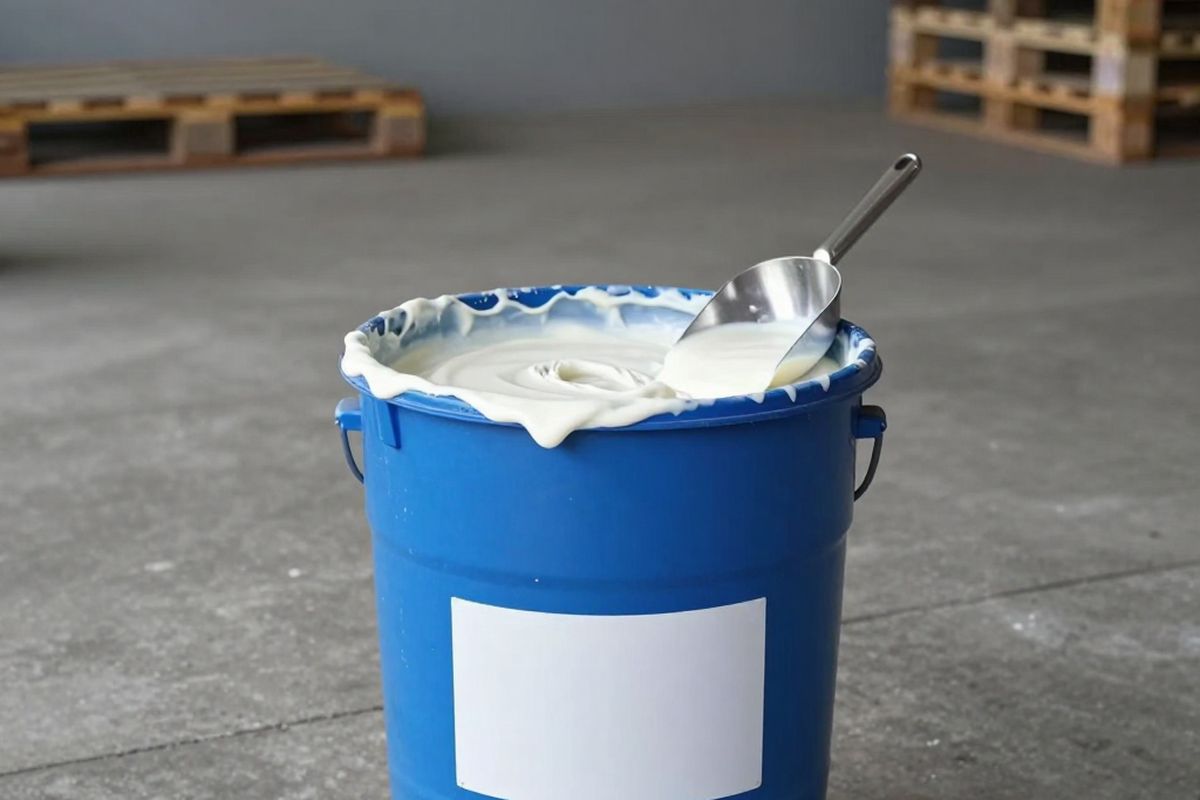
Neema said the registration must therefore be worth nothing, which is the conclusion most importers reach at this point. May said it is worth five years: a product registration in Tanzania runs five years and is renewed sixty days before it expires. But a five-year certificate on a finished jar of conditioner does not travel with a drum that has no product name, no brand owner and no shelf of its own.
The cost was not abstract. Nineteen days of container rent, a filling line with eleven people standing around it, and a distributor in Mbeya who had already printed the Kiswahili label and moved the shelf date back twice. Everyone in the room understood that the argument about paperwork was costing money by the hour; nobody had costed the argument itself.
Ethan had said nothing for most of the meeting. He asked one question: who typed the formula into the registration file, and was the base listed in it as a component with INCI names and percentages. Neema said her consultant had done it and that the percentages had been typed from memory. That answer decided the shape of the following three weeks.
Scene 2 · The blending room in Baiyun, Guangzhou, that afternoon
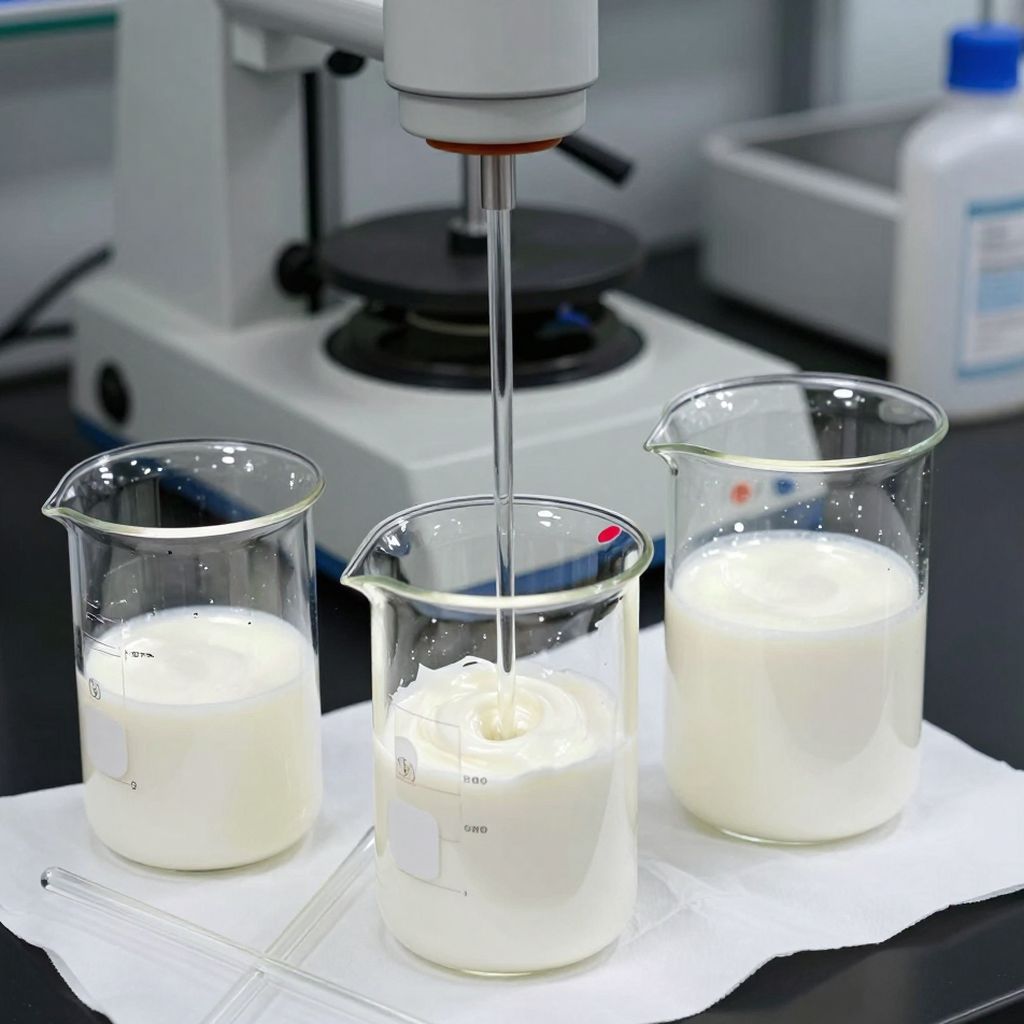
Xiaolin put three beakers on the bench: the base Neema had ordered, a shampoo base for the same market, and a batch that had failed its viscosity check in July. All three were white and thick. Only one of them was built the way a conditioner has to be built.
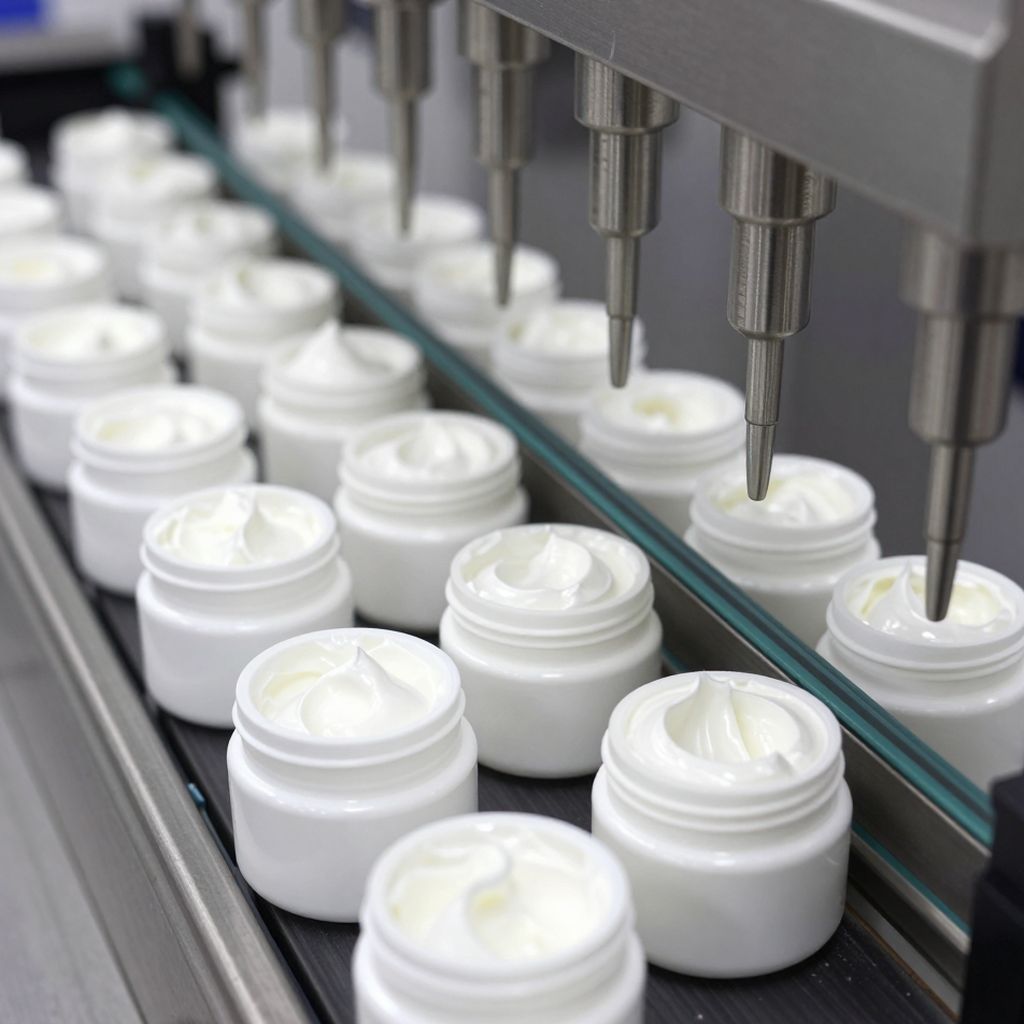
A conditioner base is a lamellar network, not a thickened liquid. A cationic quat and a fatty alcohol are melted together in the oil phase at 75 to 80 degrees; the water phase is brought to the same temperature; the two are combined and then cooled slowly under low shear so the layers can form. Viscosity comes from that structure. Cool it fast or shear it hard and you get a thin lotion that never comes back.
The second beaker was the reason Neema's plan would fail. She wanted to run the conditioner in the tank she uses for shampoo base. Shampoo base is anionic, sulfates carrying a negative charge; conditioner base is cationic. Put them in the same tank and the charges neutralise, the network collapses, viscosity drops by half and the batch goes cloudy. Sometimes the separation only shows after a week, on the customer's shelf.
Cleaning is not rinsing. Xiaolin's rule is three sequential rinses with conductivity and pH measured on the rinse water, then a negative control: a small batch of conditioner base made in the cleaned tank and held for 48 hours. If the control goes cloudy, the tank is not clean, whatever the cleaning log says.
Heat is the second problem and it belongs to the route, not to the formula. A steel container standing on the quay in the afternoon sun gets far hotter than any bathroom shelf; cetyl and cetearyl alcohol soften, the network loosens, viscosity falls and does not always recover when the goods cool. So the base is tested at 40 degrees and 75 percent humidity for three months, plus a heat-cool cycle, because the container is part of the specification.
Third: water. The plant water is hard, and hard water competes with the cationic conditioner for the surface of the hair, so deposit drops and the customer blames the base. The chelating system and the dilution water are therefore specified, with hardness and pH measured rather than assumed. Fourth: preservation in a cationic system, where several common preservatives are anionic and incompatible, the pH window is narrow, and the challenge test has to be run on the real formula.
Scene 3 · The meeting table, that evening
May had printed the regulation and read out the sentence that mattered: a cosmetic includes an article intended for use as a component of a cosmetic. That is what puts a drum of base inside the regulated scope, not because the drum is sold as a cosmetic, but because of what it becomes in Neema's plant.
But scope is one thing and the route is another. Tanzania has a product registration: a certificate valid for five years, renewable sixty days before expiry, filed with a formula in INCI names and percentages, the artwork, and a certificate of free sale or a GMP certificate for the manufacturing site. That registration belongs to the product placed on the market: a jar with a name, a brand and an owner in Dar es Salaam.
What moves a consignment is the batch certificate. The importer applies at least seven days before arrival, with the bill of lading, invoice, packing list, the tax assessment document, proof of premises registration and a test certificate or certificate of analysis from the country of origin issued by the national standards body or a recognised testing authority. The certificate is specific to that consignment; it does not carry forward to the next one.
There is also the pre-shipment route: for listed commodities conformity is verified before the goods leave, and a certificate of conformity is issued by an inspection body appointed for that purpose. Ethan was blunt about the division of labour. That certificate is applied for by the importer, against a standard, on the strength of tests, and tests are only as good as the batch they were sampled from.
Neema said the quiet part out loud: so you are asking me to buy a certificate. Ethan said no, he was asking her to stop buying documents from people who had never stood in front of a tank. A supplier who promises every certificate before the formula is fixed is selling paper; when an inspector draws a sample at the port and the numbers do not match the drum, the paper is worth less than the freight.
The decision came out in three lines. We do not register her product, and we do not pretend a base is a registered cosmetic. We issue the technical pack: COA per batch with the real numbers, MSDS, TDS, the INCI map, the plant's GMP certificate. She takes the batch certificate and the conformity route herself, in her own name, because the importer is the party the Bureau can hold. The cost of that split landed on her side of the table, and nobody pretended otherwise.
Scene 4 · The loading bay, the next morning
The drums are 200 litres, high-density polyethylene, with an inner liner, and the label carries six lines: product name, batch number, net weight, production date, shelf life, storage condition. No claims. A drum that says repair or anti-breakage has made a claim that belongs to the finished product and to whoever registers it.
The label is bilingual, English and Kiswahili, because the people who open the drum are not the people who read the registration file. The batch number on the drum, on the COA and on the packing list is the same string; if those three disagree, the consignment stops at a gate for a reason that has nothing to do with chemistry.
Sampling is written into the procedure: a top sample, a bottom sample and a sample at the outlet, sealed, labelled with the batch, kept for the shelf life of that batch. A base is one phase in a drum, but it is not uniform by magic; the sample has to be taken after the batch is homogeneous and before the drum is closed, because a sample taken afterwards is an argument, not evidence.
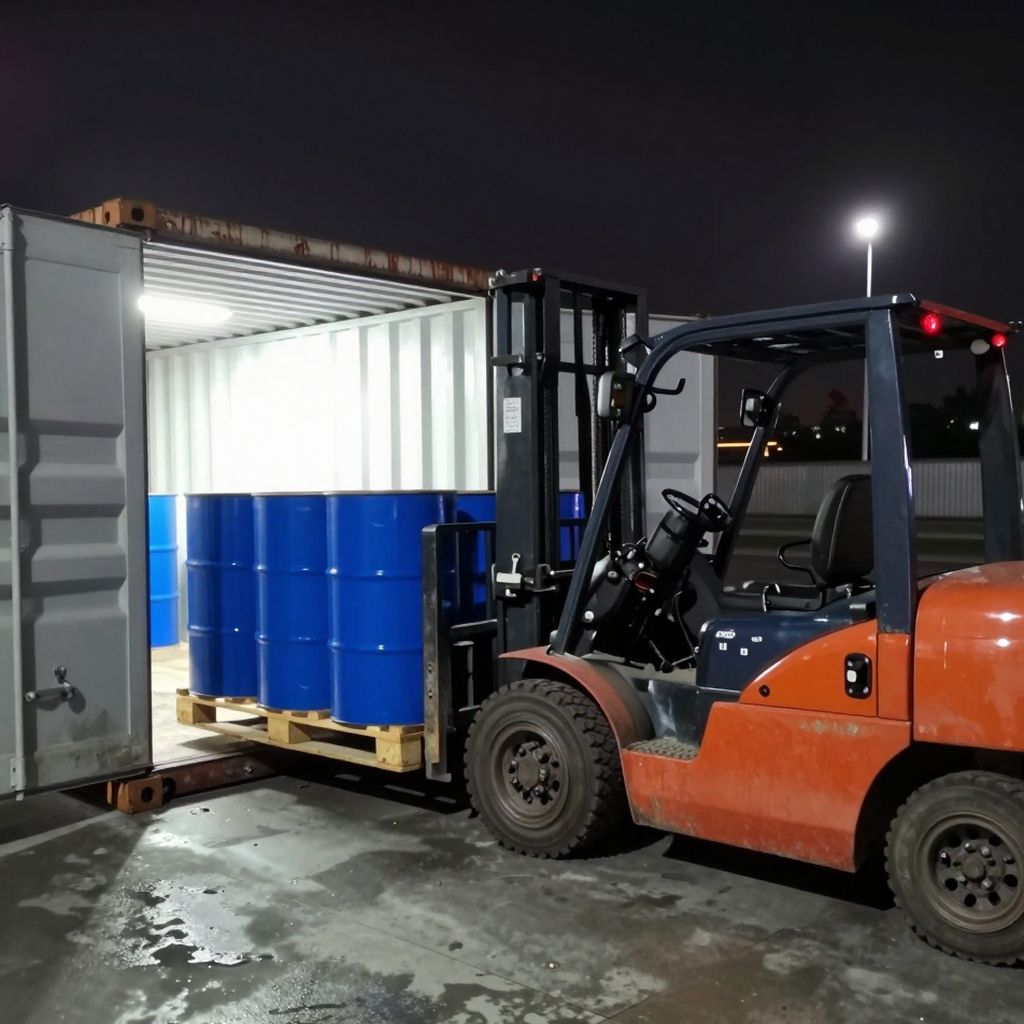
The container is loaded with the drums off the floor and away from the doors, a temperature logger taped inside the door and photographed before the doors close. Loading photographs have settled more arguments at more ports than any letter of explanation: date, container number, drum count, seal number, all in one frame.
May built the pack as one folder instead of a conversation: COA, MSDS, TDS, INCI map, GMP certificate, packing list, invoice, loading photographs, and one page that says which document the importer applies for and when. An agent at the port cannot claim a document was never sent if the page listing the documents was sent with them.
Xiaolin added the last sheet: the cleaning validation for the tank, three consecutive batches with viscosity and pH at 24 hours and at 7 days, so that when Neema's line switches from shampoo to conditioner the switch is a procedure rather than a hope. Ethan signed the release and said what he says at every loading: the drum is ours until the seal goes on; after the seal it belongs to whoever's name is on the registration file.
Scene 5 · A video call, two weeks later
Neema came back two weeks later with a quote from another supplier: same base, cheaper, all certificates included, no questions asked. She put it on the screen and waited. Ethan asked one question, whose batch number is on the COA and can you visit the tank it came from, then said nothing while she read the document again.
What she found was what he expected: a certificate of analysis with no batch number, a GMP certificate for a company whose name appears nowhere on the drum, and a free sale certificate for a product that is not the product in the drum. It would clear a port once. It would not survive a sample.
He refused her second request as well. She wanted her brand name on the drum as manufacturer, because her distributor's customer service wanted to see it. The drum is not a finished cosmetic: her name goes on the jar, and the drum carries the producer of the base with the batch number that ties it to the COA. Her name on the drum would make her the manufacturer of something she did not make, and it would make traceability a fiction.
What he offered instead was structure: ship the six drums as one consignment with a complete pack so the batch certificate is applied for once; hold the next order until this one clears; split future orders so that one stopped consignment never stops the whole line; and run the tank switch as a validated procedure with three batches of data behind it.
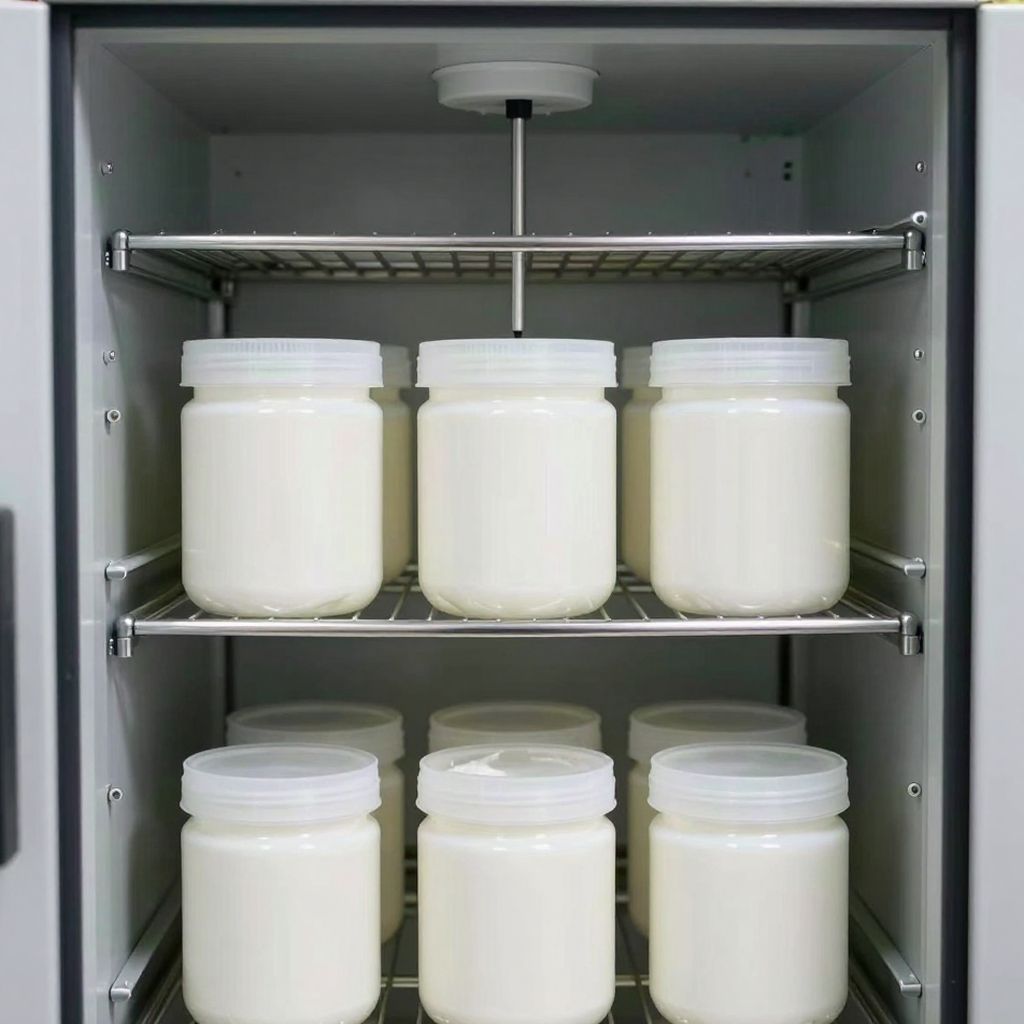
The trade-off was honest and expensive: three more weeks before the line runs, a distributor who has moved the shelf date twice, and labels she has already paid for and will now reprint. Ethan did not soften it. He said the alternative is a cheaper drum that clears once and never clears again, and by then the money is gone and the port keeps the goods.
Neema asked the question these calls usually end with: what would you do if it were your brand. Ethan said he would register the finished product properly, keep the base as a base, and never let a supplier's certificate stand in for a test. Then he turned the camera around and showed her the tank, the cleaning log on the wall and the sample shelf with the July batch that had failed. That one failed, he said. It is still on the shelf. That is the part you are buying.
Scene 6 · A yard outside the port, a month later
The consignment was released on a Thursday: six drums, one batch certificate, one conformity document, one sampling record signed by the inspector, and the seals intact on the two drums that had been opened and resealed at the port. The rent for the nineteen days nobody would refund came out of Neema's account, not ours.
Neema sent a photograph from her line: white jars moving on a conveyor, the Kiswahili label on the first one, the batch number printed under the fold. Then a second photograph eight weeks later, a jar from the same batch opened on her desk, thick and white with nothing on the surface. That photograph is the only certificate a customer ever reads.

The base held through October in her warehouse, which is more than the shelf will ever ask of it, and the viscosity at eight weeks sat inside the window Xiaolin had written on the specification sheet. Nothing dramatic happened, which is the point: the batch did what the data said it would do, in a hotter building than the one the data came from.
Ethan closed the file with one line: the batch certificate is applied for seven days before the vessel arrives, by the importer, every time, and there is no annual version of it. Under it, one more line: the name on the jar carries the registration, the name on the drum carries the batch.
The last cost is the one nobody invoices. Nineteen days at the port taught Neema's team to read the regulation before the container is booked, and the next order left Guangzhou with the pack complete and the dates already on the calendar. That is cheaper than demurrage, and it is the only part of this story that repeats.
Six drums and one certificate, and the certificate only ever covered that one shipment. That is not a bureaucratic detail to be worked around. It is the difference between a base that arrives and a base that sits behind a gate you can see from the office window and cannot open.
Common questions
Q: Does a bulk conditioner base need its own product registration in Tanzania?
A: The regulated definition includes an article intended for use as a component of a cosmetic, so the drums fall inside the scope. There is no separate bulk-base registration channel: what releases each consignment is the batch certificate, and the product registration belongs to the finished jar your company places on the market.
Q: Who applies for the batch certificate, and when?
A: The importer, and the Tanzanian party is the only one who can. The application goes in at least seven days before the consignment arrives, with the bill of lading, invoice, packing list, tax assessment document, proof of premises registration, and a test certificate or certificate of analysis from the country of origin.
Q: Can you issue a Certificate of Free Sale for the base?
A: No. A free sale certificate certifies that a finished cosmetic is lawfully sold in the country of manufacture; a base has no product registration to certify against, so the certificate would be a document about nothing. What we can issue is a COA per batch with real values, MSDS, TDS, an INCI map and the plant's GMP certificate.
Q: Why can the conditioner base not run in the same tank as the shampoo base?
A: One is anionic and the other cationic; residues neutralise each other and the lamellar network collapses. You see a viscosity drop, cloudiness, and sometimes separation that only appears a week later. Either a dedicated tank, or a validated cleaning sequence with rinse-water conductivity checks and a 48-hour control batch.
Q: Does the drum carry any claims?
A: Six lines and nothing else: product name, batch number, net weight, production date, shelf life, storage condition. Claims belong to the finished product, and to the party who registers it, in the market where it is registered.
場景1 · 達累斯薩拉姆尼雷爾路邊的灌裝廠,週一上午
Neema 的六桶料就卡在她辦公室窗外看得見、卻開不了的那道閘後面。貨在港上壓了十九天,櫃檯給的說法換了三次:缺文件、文件不對、那份文件得從達累斯薩拉姆出、不能從廣州出。她的線停了,她要週五之前把桶提出來。
May 先問清楚桶裡到底是什麼:護髮素基,陽離子體系,灌進 400 毫升的罐子、掛 Neema 的牌子。她的場所登記了,進口商身份登記了,去年那款護髮素也拿了產品登記證。她沒有的,是一份能對上這六桶、這一張提單的文件。
代理只講了一句話,短,而且只對一半:這是原料,原料不需要產品登記。對,但沒用。按進口規例,放一票化妝品貨走的是批次認證,由進口商在貨到之前至少七天提出申請。沒有人申請,因為所有人都在爭一張這六桶永遠不會有的登記證。
Neema 於是說,那張登記證不就等於廢紙 —— 大部分進口商到這一步都會這樣結論。May 說它值五年:坦桑尼亞的產品登記證一次五年,到期前六十天續。但那張五年的證,是給一罐掛牌的護髮素,不會跟著一桶沒有品名、沒有品牌方、沒有自己貨架位置的基料走。
代價不是抽象的。十九天的櫃租,一條停著的灌裝線和十一個等開工的人,還有姆貝亞那個經銷商 —— 斯瓦希里語標籤已經印好,上架日已經往後推了兩次。屋裡每個人都明白,這場關於文件的爭論是按小時燒錢的;只是沒有人去算這場爭論本身的賬。
強哥大半場沒開口,只問一句:登記卷宗裡的配方是誰打的,基料在裡面有沒有按成分列出來、帶 INCI 名和百分比。Neema 說是顧問弄的,百分比是憑印象打的。這個回答決定了接下來三個星期的形狀。
場景2 · 廣州白雲的調配間,當天下午
小林 在台面上擺了三只燒杯:Neema 訂的那款基料、同一市場的一款洗髮基、還有一批七月黏度沒過的貨。三杯都是白色的、都稠。只有一杯是按護髮素該有的方式做出來的。
護髮素基是層狀結構,不是加稠的液體。陽離子季銨鹽和脂肪醇在油相裡熔到 75 到 80 度,水相加到同一溫度,兩相合併後在低剪切下慢慢降溫,讓層狀結構長出來。黏度是這個結構給的。降溫太快、剪切太猛,出來就是一鍋永遠回不去的稀乳液。
第二杯就是 Neema 那個計劃會失敗的原因。她想用做洗髮基的同一個罐做護髮素。洗髮基是陰離子的,帶負電;護髮素基是陽離子的。兩者在同一個罐裡一碰,電荷中和、層狀結構塌、黏度掉一半、整批發白。有時候分層要等一個星期才看得出來 —— 出現在客戶的貨架上。
清洗不等於沖水。小林 的規矩是連續三次漂洗,每次量漂洗水的電導率和 pH,然後做陰性對照:在洗過的罐裡打一小批護髮素基,放 48 小時。對照批一發白,這個罐就沒洗乾淨,清洗記錄上寫什麼都不算。
第二個問題是熱,而它屬於路線,不屬於配方。鋼製貨櫃在碼頭曬一個下午,比任何浴室貨架都熱;十六醇、十八醇軟化,網路鬆掉,黏度掉下去,涼回來也未必恢復。所以基料要按 40 度、75% 濕度做三個月,另加冷熱循環 —— 貨櫃是規格的一部分。
第三是水。廠裡的水硬,硬水會跟陽離子護髮素搶頭髮表面,沉積掉下來,客戶就怪基料。所以螯合體系和稀釋用水都要寫進規格,硬度、pH 都要量,不能假設。第四是陽離子體系裡的防腐:幾種常用防腐劑是陰離子的,不相容;pH 窗口窄;挑戰測試必須跑真實配方。
場景3 · 會議桌,傍晚
May 把規例印了出來,唸了關鍵那一句:化妝品的定義包括「作為化妝品成分使用的物品」。就是這一句,把一桶基料放進了監管範圍 —— 不是因為桶當化妝品賣,而是因為它在 Neema 廠裡會變成什麼。
但「在範圍內」是一回事,「走哪條路」是另一回事。坦桑尼亞有產品登記:證一次五年,到期前六十天續,卷宗要配方(INCI 名加百分比)、包裝稿,還要自由銷售證明或生產場地的 GMP 證。那張登記屬於「放上市場的產品」—— 一罐有品名、有品牌、在達累斯薩拉姆有主的東西。
真正讓一票貨走得動的,是批次認證。進口商要在貨到之前至少七天申請,附提單、發票、裝箱單、稅務評估文件、場所登記證明,以及出口國標準機構或認可檢測機構出的檢測報告或成分分析證。這張證是發給「那一票貨」的,不會帶到下一票。
還有一條裝運前符合性驗證的路:列入清單的商品,在離港前做符合性驗證,由指定的檢驗機構出符合性證書。強哥把分工講得很直:那張證是進口商去申請,對著標準、靠檢測結果拿;而檢測結果的好壞,只取決於它是從哪一批抽的樣。
Neema 把最難聽的話說了出來:所以你是在叫我買一張證。強哥說不是 —— 他是叫她別再向那些從沒站在罐前面的人買文件。一個在配方還沒定下來之前就承諾「所有證都齊」的供應商,賣的是紙;等到港口抽樣、數據對不上桶,那張紙比運費還不值錢。
決定只有三行。她的產品不由我們登記,我們也不假裝基料是已登記的化妝品。我們出技術包:每批帶真實數據的 COA、MSDS、TDS、INCI 對照表、工廠 GMP 證。批次認證和符合性那條路,她自己走、用她的名字走,因為監管局能追責的是進口商。這個分工的代價落在她那一邊的桌上,沒有人假裝不是。
場景4 · 裝櫃口,隔天上午
桶是 200 升高密度聚乙烯,帶內襯袋,標籤只印六行:品名、批號、淨重、生產日期、保質期、儲存條件。沒有宣稱。桶上一旦寫「修護」「防斷髮」,那就是成品和登記人的宣稱,不是基料的。
標籤是雙語的,英文加斯瓦希里語,因為開桶的人和看登記卷宗的人不是同一批人。桶上、COA 上、裝箱單上的批號是同一串字;這三處對不上,貨就卡在閘口,理由跟化學一點關係都沒有。
取樣是寫進規程的:上層、下層、出料口各一個樣,封口、標批號、留到這一桶的保質期。基料在桶裡是一相,但它不會自己變均勻;樣必須在批次均質之後、封桶之前取 —— 封桶之後再取的樣是爭論的材料,不是證據。
裝櫃時桶不落地、不靠門,門內側貼溫度記錄儀,關門前拍照。裝櫃照片在各個港口解決過的爭議,比任何解釋信都多:日期、櫃號、桶數、封條號,一張框裡全都有。
May 把文件做成一個文件夾,而不是一場對話:COA、MSDS、TDS、INCI 對照、GMP 證、裝箱單、發票、裝櫃照片,再加一頁寫明哪份文件由進口商在什麼時候申請。只要那張清單是跟文件一起發的,港口的代理就沒法說「沒收到」。
小林 補上最後一頁:罐的清洗驗證 —— 連續三批,24 小時與 7 天的黏度和 pH —— 讓 Neema 的線從洗髮切到護髮時,切換是一套程序,而不是一個願望。強哥簽了放行,說了他每次裝櫃都會說的那句:封條上好之前,桶是我們的;封條上好之後,它屬於登記文件上寫名字的那個人。
場景5 · 一通視訊,兩週後
兩週後 Neema 回來,螢幕上放著另一家供應商的報價:同款基料、更便宜、所有證都齊、不問問題。她等著看回應。強哥只問一句:COA 上的批號是誰的,你能不能去看那個罐?然後閉嘴,讓她自己把文件再讀一遍。
她找到的正是他預料的:一份沒有批號的成分分析證,一張屬於某家公司的 GMP 證 —— 那家公司的名字在桶上一個字都沒有,還有一份自由銷售證明,對應的產品卻不是桶裡的東西。這種文件能過一次港。撐不過一次抽樣。
她的第二個要求他也拒了。她想把品牌名以生產商身份印在桶上,因為經銷商的客服要看。桶不是成品:她的名字上罐,桶上寫基料生產方,配上能對到 COA 的批號。名字印上桶,她就成了自己沒生產過的東西的生產商,追溯鏈也就成了小說。
他給的是結構:六桶作為一票貨走,文件一次齊,批次認證申請一次;這一票清了再下下一單;往後拆單,讓某一票卡住不會卡死整條線;罐的切換按驗證過的程序走,背後要有三批數據。
代價說得坦白,而且貴:線再等三個星期,經銷商第二次改上架日,已經付過錢的標籤要重印。強哥沒有把話說軟。他說另一條路是買便宜的桶,過一次港,然後再也過不去 —— 到那個時候錢已經沒了,貨還在港口。
Neema 問了這類通話通常用來收尾的那個問題:如果這是你的牌子,你會怎麼做。強哥說他會把成品好好登記、讓基料就是基料、永遠不拿供應商的證代替檢測。然後他把鏡頭轉過去,給她看那個罐、牆上的清洗記錄,還有樣品架上七月失敗的那一批。那一批是失敗的,他說,它還在架上。你要買的就是這個。
場景6 · 港口外的堆場,一個月後
那一票在一個星期四放行:六桶、一張批次認證、一份符合性文件、一份有檢查員簽名的取樣記錄,還有在港口開過又重封的兩桶,封條完好。那十九天沒人會退的櫃租,記在 Neema 的賬上,不是我們的。
Neema 從她的線上發來一張照片:白罐在輸送帶上走,第一罐貼著斯瓦希里語標籤,批號印在折邊下面。八週後第二張:同一批的一罐擰開放在她桌上 —— 稠、白、表面什麼都沒有。這張照片才是客戶真正會看的唯一一張證。
整個十月基料在她倉庫裡都穩住了,那已經超過貨架會要求它的程度;八週的黏度落在 小林 寫在規格表上的窗口裡。沒有戲劇性的事發生,這正是重點:這批貨做到的,就是數據說它會做到的 —— 而且是在一個比出數據那間屋子更熱的建築裡。
強哥在結案時寫了一行:批次認證由進口商在船到之前七天申請,每一次都要,沒有年度版。底下再補一行:罐上的名字擔登記,桶上的名字擔批次。
最後一筆代價沒有人開發票。港口的十九天讓 Neema 的團隊學會了在訂櫃之前先讀規例;下一單從廣州走的時候,文件已經齊了,日子也早寫在日曆上。這比滯港費便宜,而且是這個故事裡唯一會重複的部分。
六桶料,一張證,而那張證從頭到尾只覆蓋那一票貨。這不是可以繞過去的官僚細節。它決定的,是一桶基料能不能到廠,還是繼續卡在辦公室窗外那道看得見、開不了的閘後面。
常見問題
Q:散裝護髮素基在坦桑尼亞要單獨做產品登記嗎?
A:規例的定義把「作為化妝品成分使用的物品」也納入範圍,所以桶是在監管範圍內的。但沒有「散裝基料」這條獨立登記通道:放每一票貨走的是批次認證;產品登記屬於你公司放上市場的那一罐成品。
Q:批次認證由誰申請、什麼時候申請?
A:進口商,而且只有坦桑尼亞那一方才能申請。申請要在貨到之前至少七天遞交,附提單、發票、裝箱單、稅務評估文件、場所登記證明,以及出口國的檢測報告或成分分析證。
Q:你們能為基料出自由銷售證明嗎?
A:不能。自由銷售證明證明的是「一款成品在生產國合法銷售」;基料沒有產品登記可以對應,簽出來的會是一張什麼都不指的紙。我們能出的是每批帶真實數據的 COA、MSDS、TDS、INCI 對照表和工廠 GMP 證。
Q:護髮素基為什麼不能跟洗髮基用同一個罐?
A:一個陰離子、一個陽離子,殘留互相中和,層狀結構就塌。表現是黏度掉、發白,有時分層一個星期後才出來。要麼專罐專用,要麼用驗證過的清洗程序:漂洗水測電導率,再做 48 小時的對照批。
Q:桶上可以印功效宣稱嗎?
A:只有六行,別的都不印:品名、批號、淨重、生產日期、保質期、儲存條件。宣稱屬於成品,也屬於在當地登記它的那一方。
Questions about this process?對這道工序有疑問?
Ask us and we will answer in writing, with the batch records to back it up.問我們,我們會以書面回覆,並附上批記錄。