
The licence number fills in. The filing number does not.616 填得出來,備案編號填不出來
Announcement 162 of 2026 takes effect on 1 December: export declarations must carry the cosmetics manufacturing licence and the product's registration or filing number. A shampoo base in drums has the first and cannot have the second - one lost booking, a day and a half of a stopped line, and a small air shipment is what that empty field weighs.海關總署公告 2026 年第 162 號,12 月 1 日實施:出口要填 616 化妝品生產許可證與產品的註冊備案編號。兩百公斤一桶的洗髮基,616 填的是持證廠,備案編號那一欄只能空著——一個艙位、一天半停線、一小批空運,就是這個空格的分量。
Scene 1 · A customs broker's counter in Guangzhou, Saturday morning
Chen Jie did not open with hello. She turned her monitor around and laid a printed sheet on the counter between us: a customs announcement, number 162 of 2026, issued on the twenty-third of November. Two lines were circled in red. She said the words slowly, the way people do when they are about to hand you work: from the first of December, these two fields are not optional.
The first is enterprise qualification: choose item 616, the cosmetics manufacturing licence, and fill in the name of the manufacturing enterprise and its licence number. The second sits one level down, under product qualification: the registration or filing number the product holds in the drug regulator's cosmetics registration and filing platform. The same announcement tightened the import side too — a Chinese label on imported cosmetics has to match the label artwork filed on that platform.
Xiao Lin had already done the easy half. He had filled 616 — with our own company name, because that is the name on our invoices and our contracts. Chen Jie pushed the sheet back. The licence belongs to the plant that holds it; the name in that field is the name printed on the licence, not the name of whoever is selling. Wrong name, rejected declaration, and the queue starts again from the back.
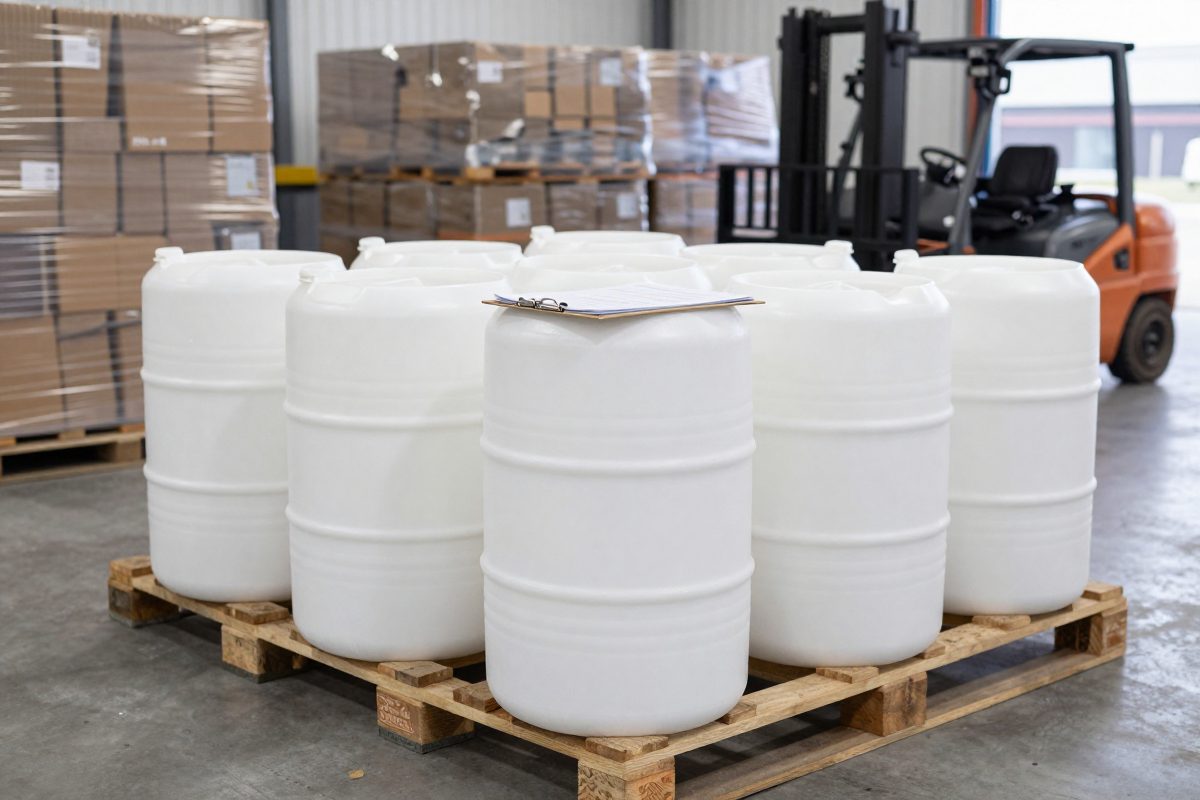
The second field was still empty, and it had been empty since the day this product was designed. A shampoo base in two-hundred-kilo drums, sold to a filling plant in Jakarta, is a raw material. It has an INCI list, a batch number, a certificate of analysis and a shelf life. What it does not have, and cannot have, is a filing number — because filing is done to a finished cosmetic, with a label and a smallest sales unit.
Scene 2 · The office upstairs, Saturday afternoon
Budi came on the screen at two, Jakarta time one. He had been a brand for six years and had never owned a mixing tank. His model was ordinary: we ship the base, his filler fills it, his name goes on the bottle. He had one question, and he asked it before the video had settled — can you put the registration number on the drum, so the forwarder stops asking me for papers I do not have yet.
What he was actually dealing with was two weeks old. Indonesia's drug authority signed regulation twenty of twenty-six on the twenty-third of October, published it in the state gazette on the third of November, and it took effect that same day, replacing the twenty-twenty-two rules. The parts that matter to a bulk buyer are small in the text and large in the warehouse: the definition of a domestic cosmetics industry now reaches into intermediate product manufacture, and into the import and repacking of bulk.
Another line closed a door people had been walking through for years: one product name, one applicant, and the old exception about different target markets is gone. Overseas contract manufacturing picked up new substantive conditions and a phased technology transfer obligation, with existing notifications given twelve months to align. And a new route appeared that nobody had asked for — a notification for goods made only for export, where the destination country wants an export certificate from the authority.
So the drum in front of us was, in his market, raw material moving into a facility that now sits explicitly inside the regulated perimeter. His own notification would need our technical file — full composition, process summary, stability data, fragrance and preservative lists, and a statement of what the material is not. He wanted the shortcut instead: our filing number, printed on the drum, so nobody asked again.
Qiangge said no, and he said it without raising his voice, which in that room means the decision is already made. A filing number is issued to a product and to the party that holds it. Lending it to a drum of base is not a paperwork favour; it is a false declaration at the border, and the party who gets hurt first is the importer whose name is on it.
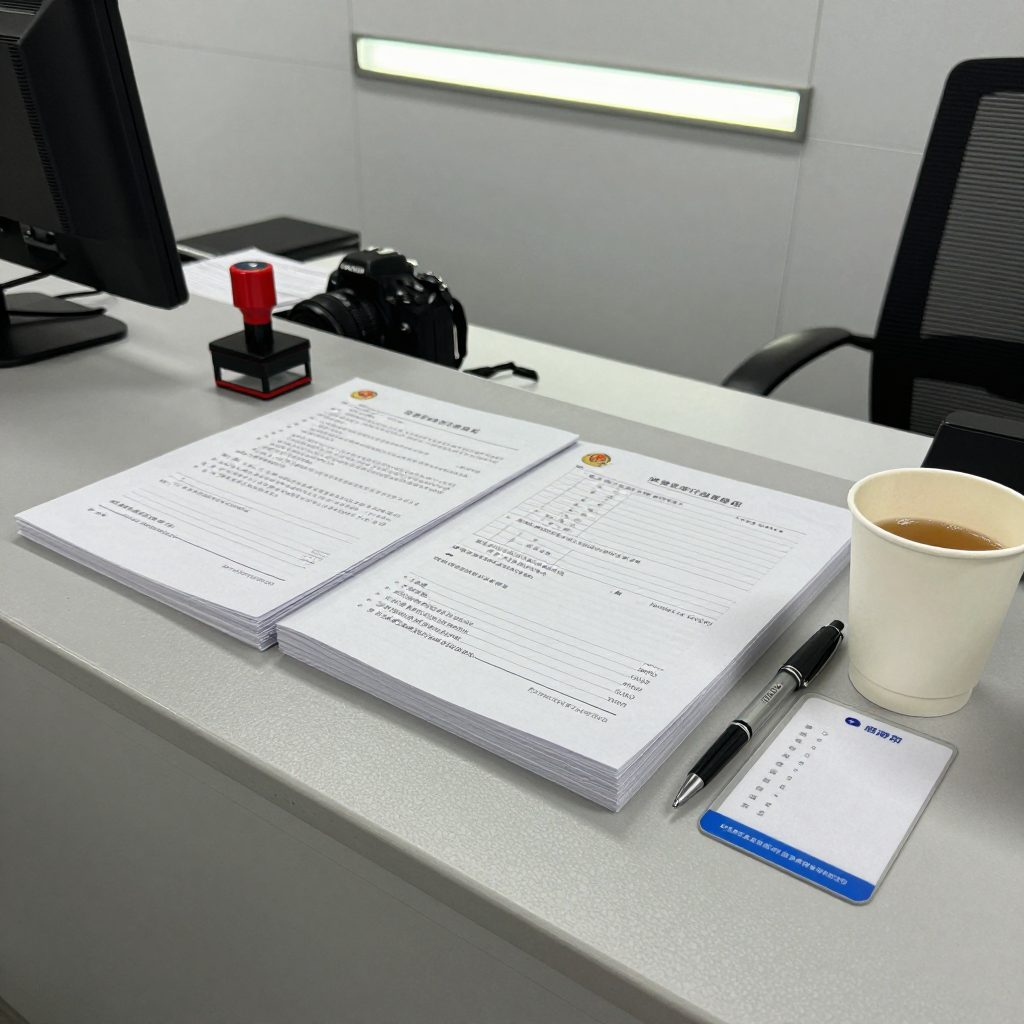
The cost of that no arrived in the same conversation. Budi's filler had a window; missing it meant stopping a line, sending people home, and explaining to a retailer why the shelf stayed empty. He said the number out loud, then said he understood. We offered what could honestly be offered: a small batch by air, a complete file, and a date by which the file would exist.
Scene 3 · The drum staging area, Saturday evening
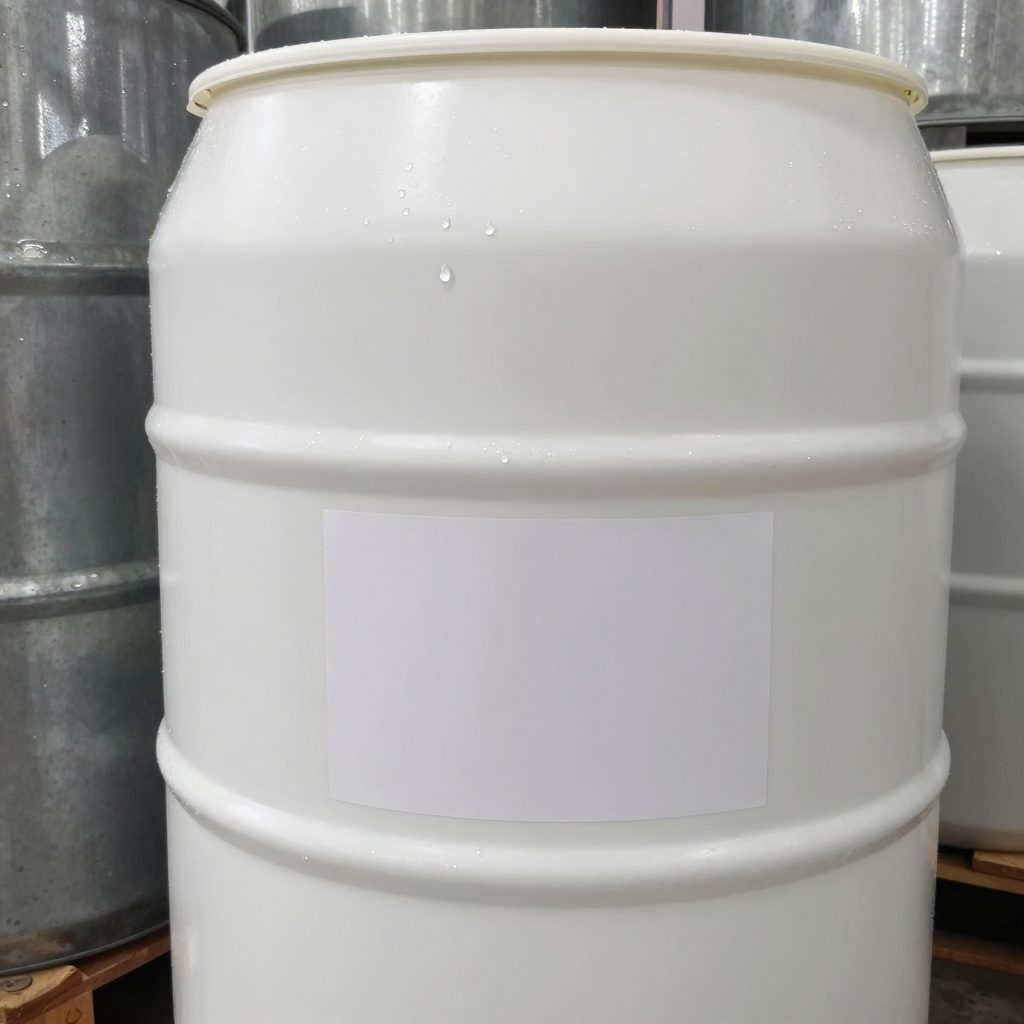
Six lines go on the drum, and only six: material name, INCI, batch number, net weight, production date, shelf life. On the old artwork for this base there was a seventh line, printed when the same base was sold to a distributor who liked the words on the pail — moisturising, pH balanced. Xiao Lin went down with a roll of blank labels and a knife.
The rule behind it is not decoration. A base is a raw material; a claim is a promise to a consumer. Print a promise on the raw material and you have moved the customer's responsibility onto our steel drum — and in a declaration you have also described the goods as something they are not. Every extra word on the pail is a word that has to be defended later, by whoever is standing at the counter.
Budi's objection was fair, and he made it twice: that phrase is what his brand is. Xiao Lin did not argue the brand, only the surface. On his bottle, in his artwork, under his notification, the sentence is his to make and to support with whatever evidence his market demands. On our drum it is ours, and we cannot support it — we never tested it as a finished product, because we never made one.
What went into the folder instead was duller and heavier: full INCI composition with percentages given in bands, batch COA covering micro and heavy metals, safety data sheet, a process summary stating the emulsification temperature range and the homogenisation step, three-month accelerated stability, a fragrance declaration, the preservative system with its level, and a one-page statement that this material is supplied for further manufacture and is not a retail product.
Scene 4 · The same counter, Sunday morning
Chen Jie read the two fields out loud the way a teacher reads a dictation. Enterprise qualification, 616: the name goes in exactly as printed on the licence, and this licence is held by the plant that runs the tanks — Kewma Pharmaceutical Technology (Guangzhou), licence number Yue Zhuang 20200212. Not our trading name, not the brand's name. The plant is the manufacturer; everyone else in the chain is a party to the sale.
Product qualification: she left it blank herself and wrote three characters beside it — bulk, raw material. The filing number belongs to a finished cosmetic. This drum has no label artwork filed anywhere, no smallest sales unit, no name a consumer would recognise. Filing it would mean inventing a product that does not exist in order to satisfy a field on a form, and the file attached would be a fiction from its first page.
So the declaration goes in as what it is, with the reason attached: a situation statement, the use statement signed and sealed by the plant, the composition table, the COA, the SDS. Whether that field stays empty or takes a note is not our call — that is the broker's and the officer's, and Chen Jie said she would confirm it at the counter rather than guess. What she would not do is let the goods travel described as something else.
Then she added the part that mattered more than either field. From the first of December this is every shipment, not this one. And the import half of the same announcement tells you where the checking is going: labels are read against the artwork filed on the platform, so the file and the goods have to agree — in both directions, not just ours.
Qiangge put it in one sentence at the end, and it is the sentence this whole week turned on. The new rule is not asking for one more number. It is asking you to state what you sell. Once that is clear, 616 fills itself in, and the filing number is empty because it is supposed to be empty — not because somebody forgot it.
Scene 5 · The closing window and the terminal, Monday
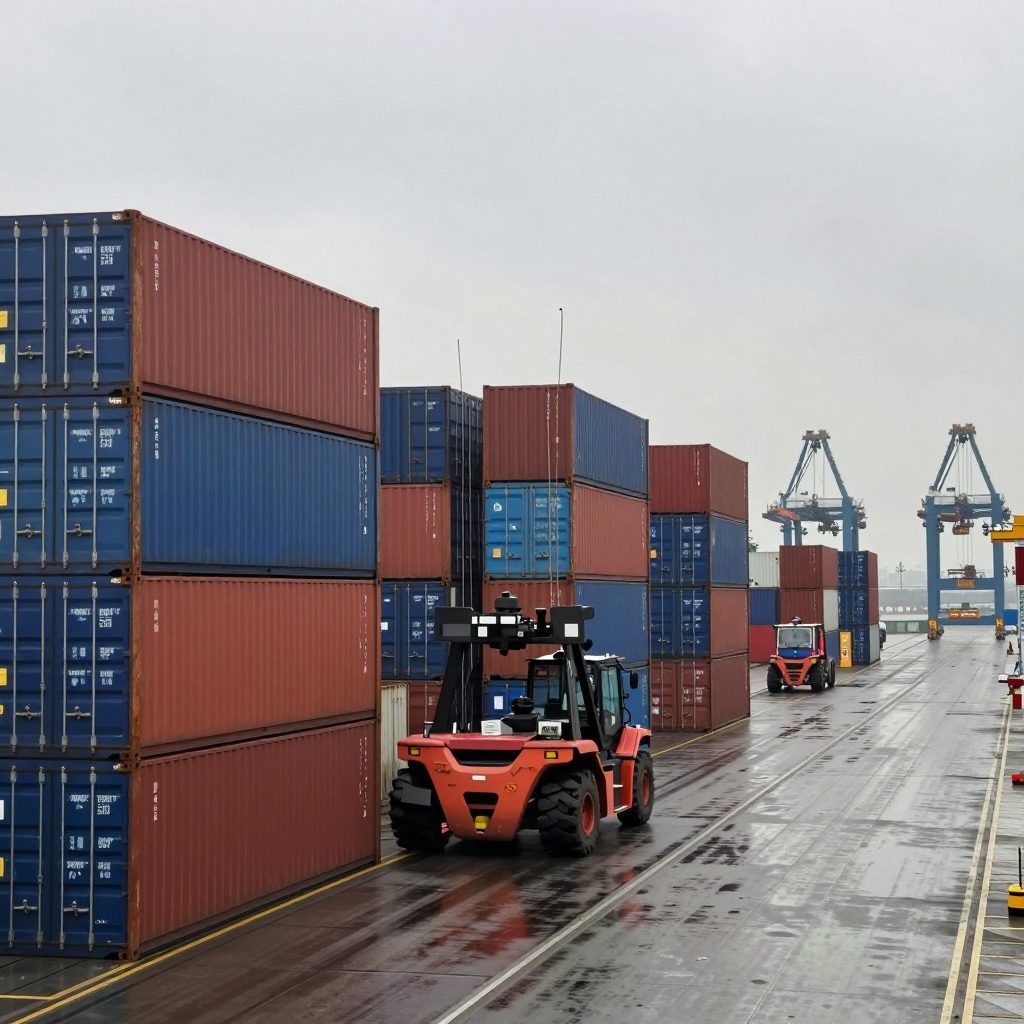
The first container did not sail. The situation statement came back once because the use statement carried no company seal — a detail nobody had put on any list, and one that cost a booking. The slot was released at four; the goods stayed in the yard; the yard charged by the day, which turned out to be the cheapest line on the bill.
The expensive part was on the other side of the water. Budi's line stopped for a day and a half, and a part batch went by air so one chain store would not face an empty shelf — the air freight difference shared as the contract says, our share booked to this order rather than pushed to the next one. Nobody in the room called it a paperwork problem, because it was not one.
The second container declared on Monday evening, with the sealed statement, the composition table and the COA in the attachment set, and it was released. On the second of December the same shipment type went through again under the new wording, deliberately, as a rehearsal: same fields, same attachments, one extra working day built into the schedule and spent on nothing but reading.
Xiao Lin wrote three lines into the shipment log that afternoon, in the flat tone he uses for things he does not want to learn twice. Documents are not an accessory to the goods. Two fields decide a container, and both were knowable before production. And a statement without a seal is a draft, however true it is.
Scene 6 · The meeting room, two weeks later
The process changed in four places, and none of them is glamorous. The two-field check moved to the quotation stage, so a customer hears about 616 and the filing gap before he books a filler slot. The drum label template was frozen at six lines, and a seventh line now needs a written exception nobody has asked for. The situation statement became a template with the seal position marked on it. And every export schedule carries three working days for documents before it carries a sailing date.
Qiangge's reading of it is unfashionably positive. For anyone who sells raw material, a rule that forces the identity of the goods onto the form is a protection: while the field was vague, the lazy answer was to borrow a customer's number, and the party left holding the false declaration was the supplier. Now the borrowing is visible on the page, and refusing it costs one argument instead of one investigation.
The other half he keeps saying out loud, because the finished-goods line sits in the same building: if you ship retail packaging, the filing number is not optional, and there is no version of this where it can be. Bulk and finished goods are two identities with two sets of documents, and the only real mistake is letting one of them answer the other's question.
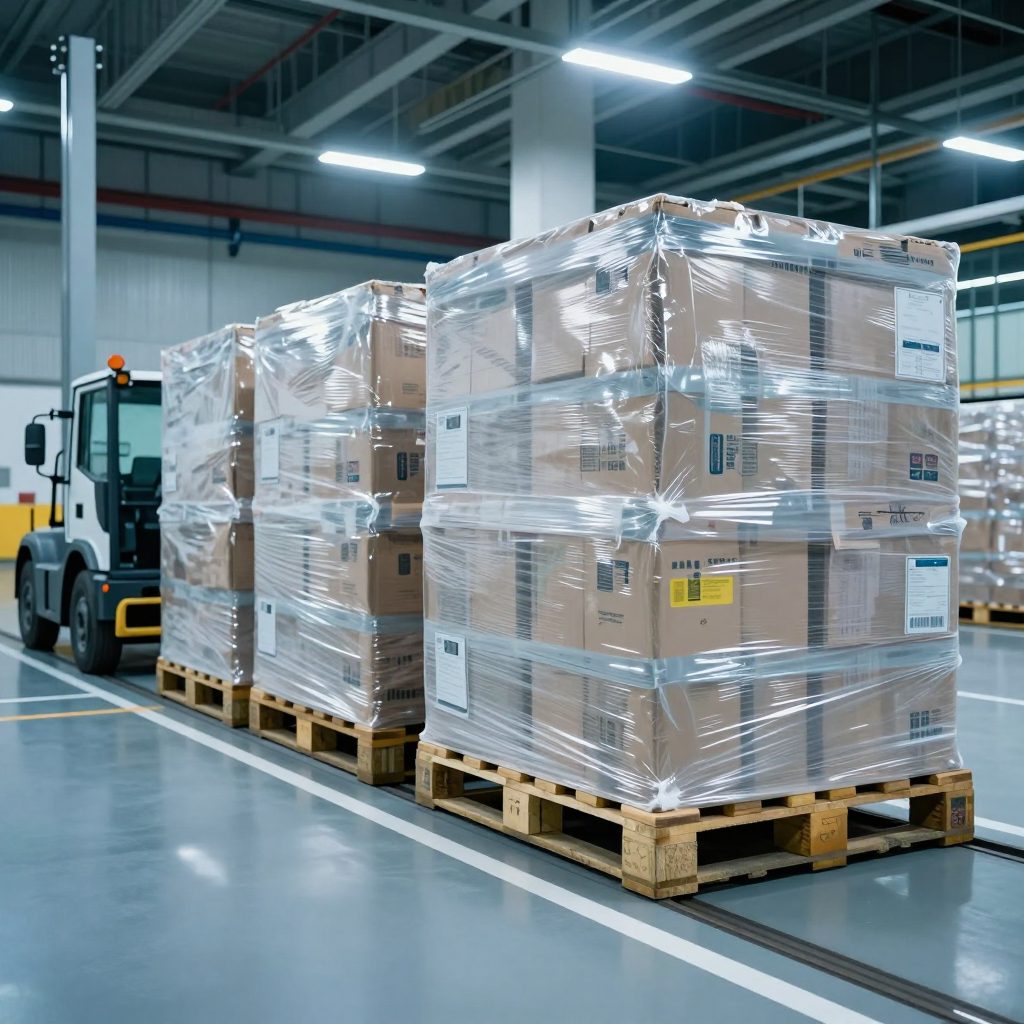
The drums that finally sailed carried six lines and no promise, and travelled with a folder: composition, COA, SDS, process summary, stability, fragrance and preservative declarations, a sealed statement of use, and a copy of the announcement that started all of it. Half a kilo of paper for two hundred kilos of paste — that ratio is the business.
常見問題
Q: From the first of December, does every export declaration need a filing number?
A: It depends what is in the drum. The announcement requires the registration or filing number for exported cosmetics, and for a retail-packaged finished product that number must exist. For a base or intermediate supplied as raw material there is no filing number; the goods are declared as raw material with a situation statement, a sealed use statement, the composition table and the COA attached. How that field is handled is the broker's and the officer's call — never guess a number and type it in.
Q: Under 616, is the name the brand's or the plant's?
A: The licence holder. The name and number must match the licence exactly. Under contract manufacturing the holder is the plant; the brand is only a party to the sale. On our side that is Kewma Pharmaceutical Technology (Guangzhou), licence Yue Zhuang 20200212. Put your trading name there and the declaration comes back — and one rejection is one lost booking.
Q: Can the drum say registered, or notified?
A: No. Filing and notification are done to a finished product by the party that holds them, and the responsibility sits downstream. The drum carries six lines only: material name, INCI, batch, net weight, production date, shelf life. Printing notified on it makes a promise on the customer's behalf that he does not yet hold, and it looks bad at both ends when somebody checks.
Q: What does the new Indonesian rule change for a base supplier?
A: The applicant is still the Indonesian party, not us; what changed is the depth of the file and the calendar. Intermediate manufacture and bulk import and repacking now count as domestic industry activity, one product name gets one applicant, and existing overseas contract manufacturing has twelve months to align. In practice: full composition, process summary, stability, fragrance and preservative lists have to be ready early, because the customer's notification will lean on them.
Q: What if the documents cannot make the sailing?
A: Separate the goods from the paper. Goods can go into the warehouse; a thin file should not be pushed through. The cost of pushing is inspection, rejection and a lost slot, which is far more than a night of storage. If a customer's shelf has to be saved, send a small batch by air, agree the difference in the contract, and book it to this order rather than the next. MOQ, lead time and price are confirmed per project.
場景1 · 廣州一家報關行的櫃檯,週六上午
陳姐沒打招呼。她把顯示器轉過來,又在櫃檯中間放下一張打印紙:海關總署公告,二零二六年第一百六十二號,十一月二十三日發的。上面有兩行被紅筆圈住。她說得很慢,像把活交出去之前那樣慢:十二月一日起,這兩個欄位不是可填可不填。
第一個是企業資質:選「616-化妝品生產許可證」,填報化妝品生產企業名稱及生產許可證編號。第二個在下一層,商品信息下面的產品資質:填報該產品在國家藥監部門化妝品註冊備案信息服務平台的註冊或備案編號。同一份公告也收緊了進口那一頭:進口化妝品的中文標籤,內容要跟平台上備案的產品標籤樣稿一致。
小林已經把容易的一半做完了。616 他填了,填的是我們公司的名字,因為發票上和合同上都是這個名字。陳姐把紙推回去:許可證是持證廠的,那一欄填的是許可證上的名字,不是賣貨那個人的名字。名字錯,單子退,隊伍從最後一個重排。
第二個欄位還空著,從這支產品設計出來那天就空著。洗髮基,兩百公斤一桶,賣給雅加達一家灌裝廠,它是原料。它有 INCI 清單、批號、COA、保質期。它沒有、也不可能有備案編號,因為備案是對著一件成品做的,要有標籤、要有最小銷售單元。
場景2 · 樓上辦公室,週六下午
Budi 兩點上線,雅加達時間一點。他做品牌六年,從來沒有自己的攪拌罐。模式很普通:我們出基料,他的灌裝廠灌,瓶子上掛他的名字。他只問一個問題,而且視頻還沒穩就先問:能不能把註冊號印在桶上,讓貨代別再向我要我還沒拿到的文件。
他真正在應付的東西,才兩週大。印尼藥監十月二十三日簽了第二十號法規(二零二六年),十一月三日刊上國家公報,同日生效,取代二零二二年的舊規。對散裝買家要緊的那幾句,在文本裡很小,在倉庫裡很大:所謂本國化妝品行業,範圍現在伸到了中間產品生產,也伸到了散裝產品的進口與再分裝。
另一句關掉了一扇走了很多年的門:同一品名只能有一個申請人,舊規裡「針對不同目標市場」那個例外被刪了。海外委託加工多出幾項實質條件,還加了一條分階段技術轉移的義務,已有的通報給了十二個月去對齊。還多出一條沒人要求過的路:只為出口而做的貨,可以在目的國要主管機關出口證明時去通報。
所以我們面前這桶東西,在他的市場裡,是原料流進一個現在被明確圈進監管範圍的場所。他自己的通報要用我們的技術文件:全成分、工藝摘要、穩定性數據、香精與防腐清單,還有一份說明這東西「不是什麼」的聲明。他想要的是那條近路——把我們的備案號印在桶上,以後沒人再問。
強哥說不行,而且沒提高聲音——在那間房裡,這代表決定已經下了。備案號是發給一件產品、發給持有它的那一方的。把它借給一桶基料,不是順手幫忙填張紙,是在邊境上做一次不實申報,而第一個被傷到的,就是名字寫在上面的進口商。
那個「不」的代價,同一個通話裡就到了。Budi 的灌裝廠有一個檔期,錯過就是停線、放人回家、再向零售商解釋貨架為什麼空著。他把那個數字念了出來,然後說他明白。我們給的是能誠實給的:一小批走空運,一份完整的文件,和一個文件一定做得出來的日期。
場景3 · 桶堆放區,週六傍晚
桶上印六行,只有六行:物料名、INCI、批號、淨重、生產日期、保質期。這支基料的舊版標籤上有第七行,是當年賣給一個喜歡桶面好看的分銷商時印上去的——保濕、pH 平衡。小林被叫下去,帶了一卷空白標籤和一把刀。
這條規矩不是為了好看。基料是原料,宣稱是對消費者說的話。把一句話印在原料桶上,等於把客戶的責任搬到我們的鐵桶上;而在申報裡,你也等於把貨物描述成另一種東西。桶面上多出來的每個字,日後都要有人去解釋——站在櫃檯前的那個人。
Budi 的反對是合理的,他講了兩次:那句話就是他的品牌。小林沒跟他爭品牌,只爭那個表面。印在他瓶子上、他的稿子上、他的通報底下,那句話是他的,也由他拿出市場要求的證據去撐。印在我們的桶上,那句話就是我們的,而我們撐不住——我們沒把它當成品測過,因為我們從來沒做過那件成品。
裝進文件夾的東西枯燥得多、也重得多:完整 INCI 成分(比例按區間給)、批次的 COA(含微生物與重金屬)、安全數據表、一份寫明乳化溫度區間與均質步驟的工藝摘要、三個月加速穩定性、香精聲明、防腐體系與添加量,還有一頁聲明——本物料供進一步加工使用,不是零售成品。
場景4 · 同一個櫃檯,週日上午
陳姐把那兩個欄位像聽寫一樣念出來。企業資質 616:名字照許可證上印的一字不差地填,而這張許可證在開罐子那個廠手裡——科瑪醫藥科技(廣州)有限公司,許可證編號粵妝 20200212。不是我們的貿易名,也不是品牌方的名。廠是生產企業,鏈條上其他人都只是買賣的一方。
產品資質那一欄,她自己留空,在旁邊寫了三個字:散裝、原料。備案編號屬於一件成品。這桶東西沒有任何地方備過標籤樣稿,沒有最小銷售單元,沒有一個消費者認得出的名字。為了填滿表格上一個欄位而去備案,等於憑空造一件不存在的成品,附上去的檔案從第一頁就是假的。
所以按它本來的身份申報,理由附在後面:情況說明、廠裡簽章蓋印的用途聲明、成分表、COA、SDS。那一欄是留空還是寫說明,不是我們能定的——那是報關行與現場關員的口徑,陳姐說她去櫃檯確認,不猜。她唯一不肯做的,是讓這批貨以另一種身份上路。
然後她補了一句比兩個欄位都要緊的:十二月一日起,這是每一票,不是這一票。同一份公告的進口那一半,也告訴你查的方向在哪——標籤是對著平台上備案的樣稿看的,所以檔案和貨物兩頭都要對得上,不只我們這一頭。
強哥最後用一句話收尾,而這一整週就繞著這句轉。新規不是要多填一個號碼,是要你說清楚你賣的是什麼。這件事一清楚,616 自己就填上了;備案編號空著,是因為它本來就該空著,不是因為有人忘了。
場景5 · 截關日與碼頭,週一
第一個櫃沒走成。情況說明被退回一次,原因是用途聲明上沒有蓋章——一個沒人列進清單的細節,代價是一個艙位。四點艙位被放掉,貨留在堆場,堆場按天收費,而那是整張賬單裡最便宜的一項。
貴的那一頭在水對面。Budi 的線停了一天半,一小批改走空運,好讓一家連鎖店的貨架不至於空著——空運差額按合同分擔,我們那一份記在這張單上,不往下一張推。屋裡沒有人把它叫作「文件問題」,因為它本來就不是文件問題。
第二個櫃週一晚間申報,附上蓋章的情況說明、成分表與 COA,放行了。十二月二日,同一類貨又故意按新口徑走了一遍,當作演練:同樣的欄位、同樣的附件,日程裡多留的那一個工作日,全部用來讀文件,沒用來補文件。
那天下午小林在出貨日誌上寫了三行,語氣平得像在記他不想學第二次的東西:文件不是貨物的附件。兩個欄位決定一個櫃,而這兩個欄位在生產之前就查得到。還有一句:沒有蓋章的聲明,再真也只是草稿。
場景6 · 會議室,兩週後
流程改了四處,沒有一處漂亮。兩個欄位的核查挪到了報價階段,客戶在訂灌裝檔期之前就會聽到 616 和備案缺口這兩件事。桶標模板凍結在六行,要加第七行得走書面例外,而目前還沒有人提。情況說明變成了模板,蓋章位置直接標在紙上。每一份出口排期,先排三個工作日的文件時間,再排船期。
強哥的看法不太時髦,但是正面的。對賣原料的人來說,一條把貨物身份逼到表格上的規則,其實是保護:欄位含糊的時候,最省事的做法是借客戶的號,最後拿著那張不實申報的,是供應商。現在借不借在紙上看得見,拒絕的代價是一場爭論,不是一次調查。
另一半他反覆講,因為成品線就在同一棟樓裡:出零售包裝的,備案編號不是可選項,這件事沒有任何可以通融的版本。散裝與成品是兩個身份、兩套文件,唯一真正的錯,是拿其中一個去回答另一個的問題。
最後走掉的桶,桶上六行、沒有一句承諾,跟著走的是一個文件夾:成分、COA、SDS、工藝摘要、穩定性、香精與防腐聲明、蓋章的用途說明,還有一份引發這一切的公告複印件。半公斤紙,配兩百公斤膏體——這個比例就是這門生意。
常見問題
Q:十二月一日起,出口報關一定要填備案編號嗎?
A:看桶裡賣的是什麼。公告要求出口化妝品在產品資質欄填報註冊或備案編號,賣零售包裝的成品,這個號必須有。賣基料、半成品這一類原料形態的貨,沒有備案編號,按原料身份申報,附情況說明、蓋章的用途聲明、成分表與 COA;這一欄怎麼處理以報關行與現場關員的口徑為準,不要自己猜一個號填上去。
Q:616 填的是品牌方還是工廠?
A:填持證的化妝品生產企業,名字與編號照許可證一字不差。委託生產的情形下,持證方是工廠,品牌方只是買賣的一方。我們這邊填的是科瑪醫藥科技(廣州)有限公司,粵妝 20200212;填成自己的貿易名會被退單,退一次就等於丟一個艙位。
Q:桶上能不能印「已註冊」「已通報」?
A:不能。備案與通報是對著成品、由持有它的那一方做的,責任在下游。桶面只放六行:物料名、INCI、批號、淨重、生產日期、保質期。印上一句「已通報」,等於替客戶先許了一個他還沒拿到的承諾,查起來兩頭都難看。
Q:印尼那條新規,對我們出基料有什麼影響?
A:通報主體還是印尼那一方,不是我們;變的是文件深度與時間。法規把中間產品生產、散裝進口再分裝都算進本國行業範圍,同一品名只能一個申請人,海外委託加工有十二個月的對齊期。實務上就是:全成分、工藝摘要、穩定性、香精與防腐清單要提前備好,因為客戶的通報要用它。
Q:趕不上船期怎麼辦?
A:把文件與貨分開處理。貨可以先入倉,文件不齊不要硬報;硬報的代價是查驗、退單、艙位損失,比一晚堆存費貴得多。真要保客戶的貨架,就走小批空運,差額按合同談清楚,記在這一張單上,不要往下推。MOQ、交期、價格一律按項目確認。
Questions about this process?對這道工序有疑問?
Ask us and we will answer in writing, with the batch records to back it up.問我們,我們會以書面回覆,並附上批記錄。