The Certificate Is Not Issued to a Drum證書不是發給桶的
A buyer in Riyadh put sixty thousand printed labels on the table and asked for a halal mark and a certificate number on the drum. Three lines on the formulation sheet had no declared origin, and the plant-derived swap that followed put oil at the neck of the jar at forty degrees.利雅得的採購把已印好的六萬張標籤擺上桌,要桶身印 Halal 標誌與編號。基料裡甘油、硬脂酸、角蛋白三行來源不明,換成植物源之後膏體在四十度艙裡出了油 —— 證書、配方、檔期,三件事只能先認一件。
Scene 1 · A purchasing office in Riyadh, Sunday morning
Fahad's office has no pictures on the wall, only a whiteboard in three columns. Before anyone sat down he laid out three things on the desk: a label sheet printed in Arabic and English, a launch calendar with one date circled twice, and a two-page checklist issued by the certification body his brand had engaged. Only one of the three could still be changed cheaply. Sixty thousand labels were already sitting in a warehouse in Dammam.
He did not begin with the formula. He began with the drum. He wanted the halal mark and the certificate number printed on it, next to the batch code, and he wanted the words approved by the authority on the consumer label, because that is what his distributor had promised the retail chain. May was on the call from the plant, and she was quiet for a moment before she said they would not print either of those two things.
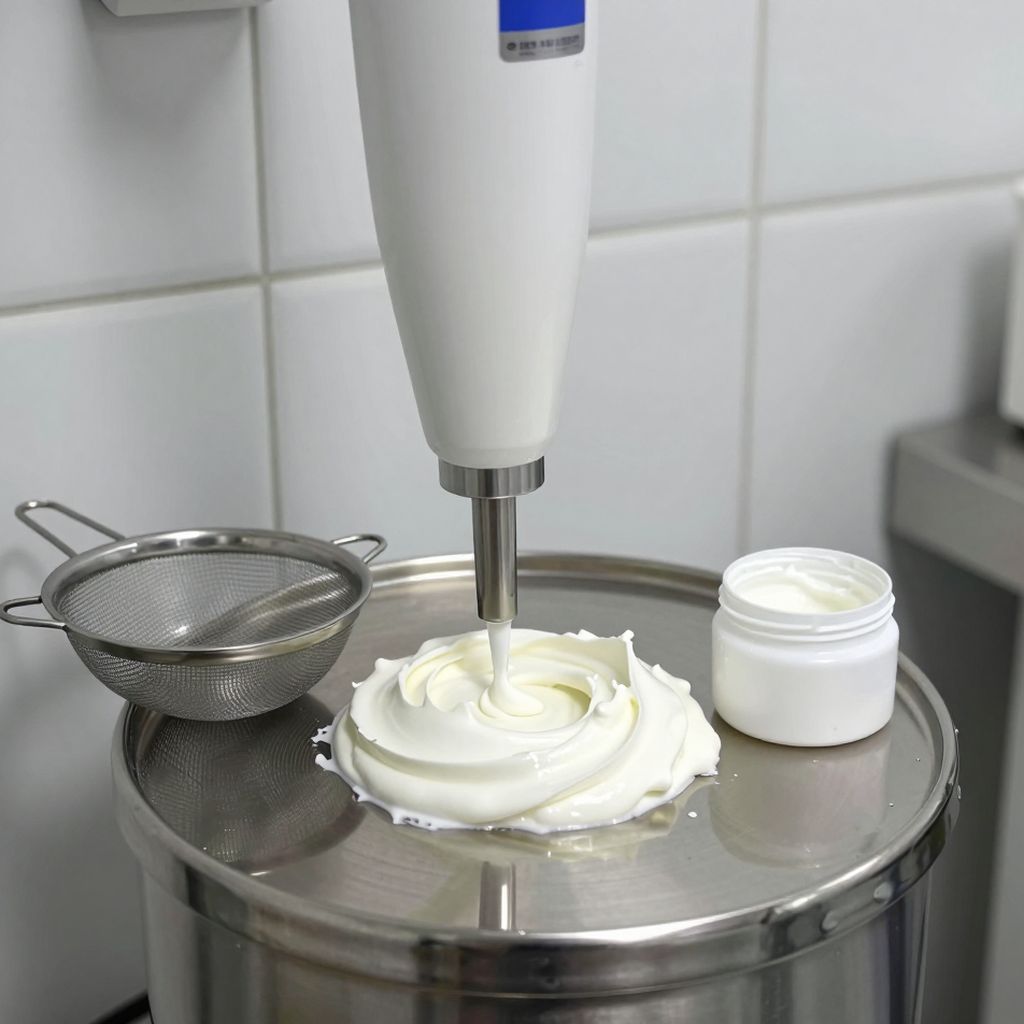
Fahad had spent four months getting this far. His brand had no factory, no licence to manufacture, and no intention of building one. The plan was ordinary: buy the cream base by the drum, fill it in a rented suite in Riyadh's second industrial city, put his own name on it, and be on shelf before the winter season. The base was the only part of the chain he had assumed would be simple, because it arrives as a grey-white paste with nothing written on it.
May asked to see the label artwork first, before the checklist. Two lines had been set in a heavier weight than the rest. One said the product was free of animal derivatives. The other said it had been approved for the Gulf market. Neither line had a document behind it yet, and both had already been printed, varnished, and counted into cartons.
Scene 2 · The sample room, Sunday afternoon
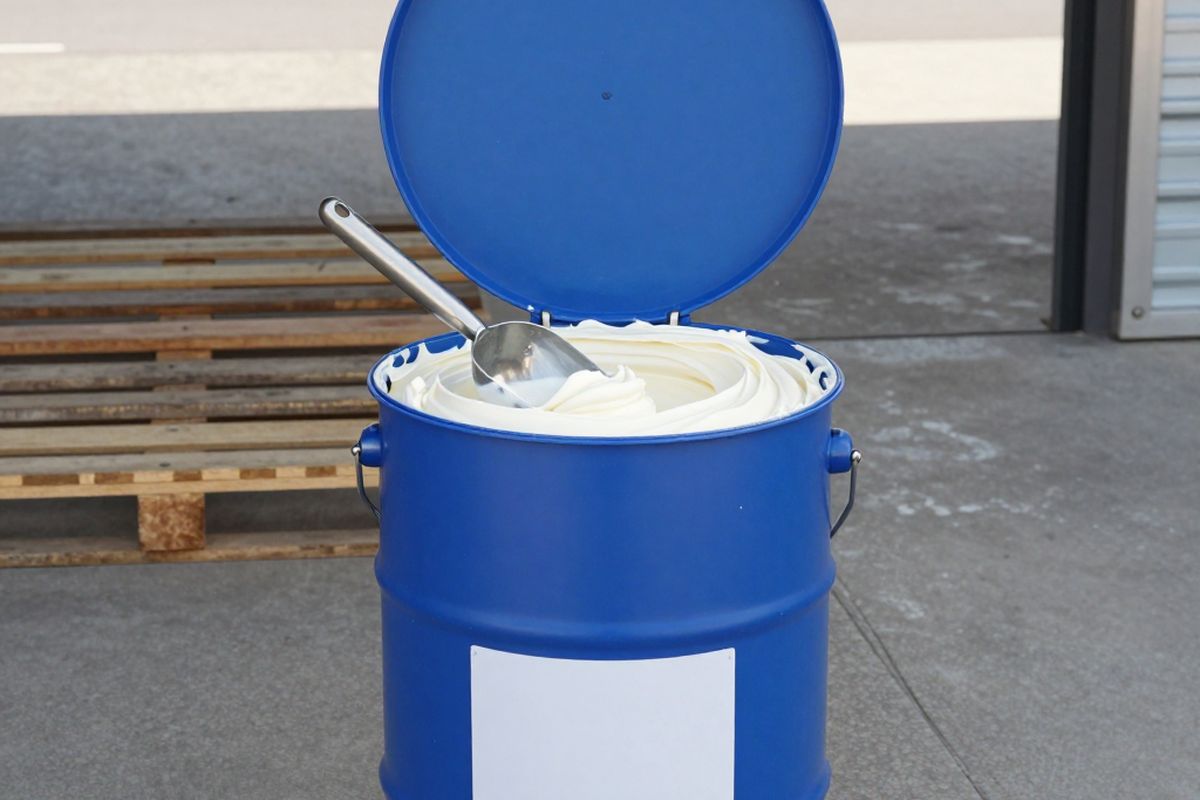
In the sample room, three drums stood against the wall with the lids off. Fahad's technical man took a spatula and drew a line through the paste to check for grain. May put the certificate checklist beside the drums and read the first item aloud: the certificate is issued to a product and a production site, not to a container. That single sentence undid most of what Fahad had planned for the morning.
The base leaving this plant is a raw material. It has an INCI list, a batch number, a COA, and a shelf life; it has no product name that a consumer would recognise, and under Gulf rules it is not yet a cosmetic product. The notification in Saudi Arabia is filed by an establishment licensed there, and that establishment carries the file. What can travel with the drum is a document chain: identity of each ingredient, origin of each ingredient, and the processing aids used on the line.
Xiao Lin came in with the formulation sheet and put it flat on the table, no commentary. Glycerin, six percentage points, origin not stated on the supplier's COA. Stearic acid, three points, and the supplier's own data sheet offers both palm and tallow grades under the same trade name. Hydrolysed keratin, one point, wool source. Three lines out of twenty-six, and any one of them can stop a halal file dead.
'Then change the three lines,' Fahad said, and it sounded like the cheap option. May said it was the expensive one, and explained why in the order the cost would arrive. First the documents, then the trial, then the stability, then the line. His certification body would not accept a supplier's general statement; it wanted a certificate that named the material and covered the lot. Two of the three suppliers had never been asked for that, and one had already said it would take a quarter to answer.
Fahad looked at the date circled twice on his calendar and did the arithmetic out loud. A quarter for a paper, then a trial, then whatever the trial finds. He asked whether the mark could go on the drum now and the certificate follow later. May said that is exactly how a shipment gets held at the border, and that a drum with a mark and no certificate behind it is worse than a drum with nothing on it at all.
Scene 3 · The formulation lab, Monday morning
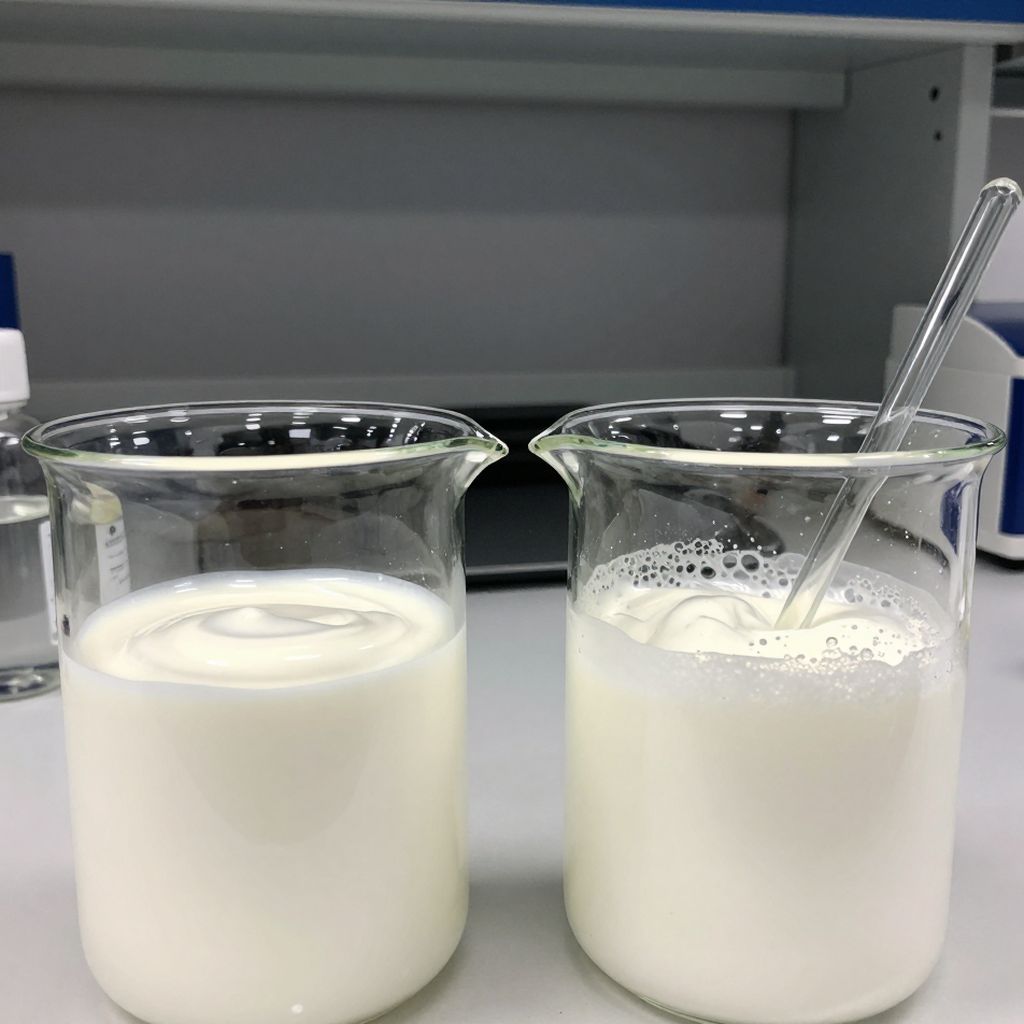
Two beakers stood side by side on the bench, same day, same operator. The left one held the base as it had been made for two years, with tallow-derived glycerin. The right one held the same formula with palm-derived glycerin, bought at a higher price from a supplier that could produce a certificate naming the material. Xiao Lin poured both onto glass and tilted the plates. The right one ran slightly further before it stopped.
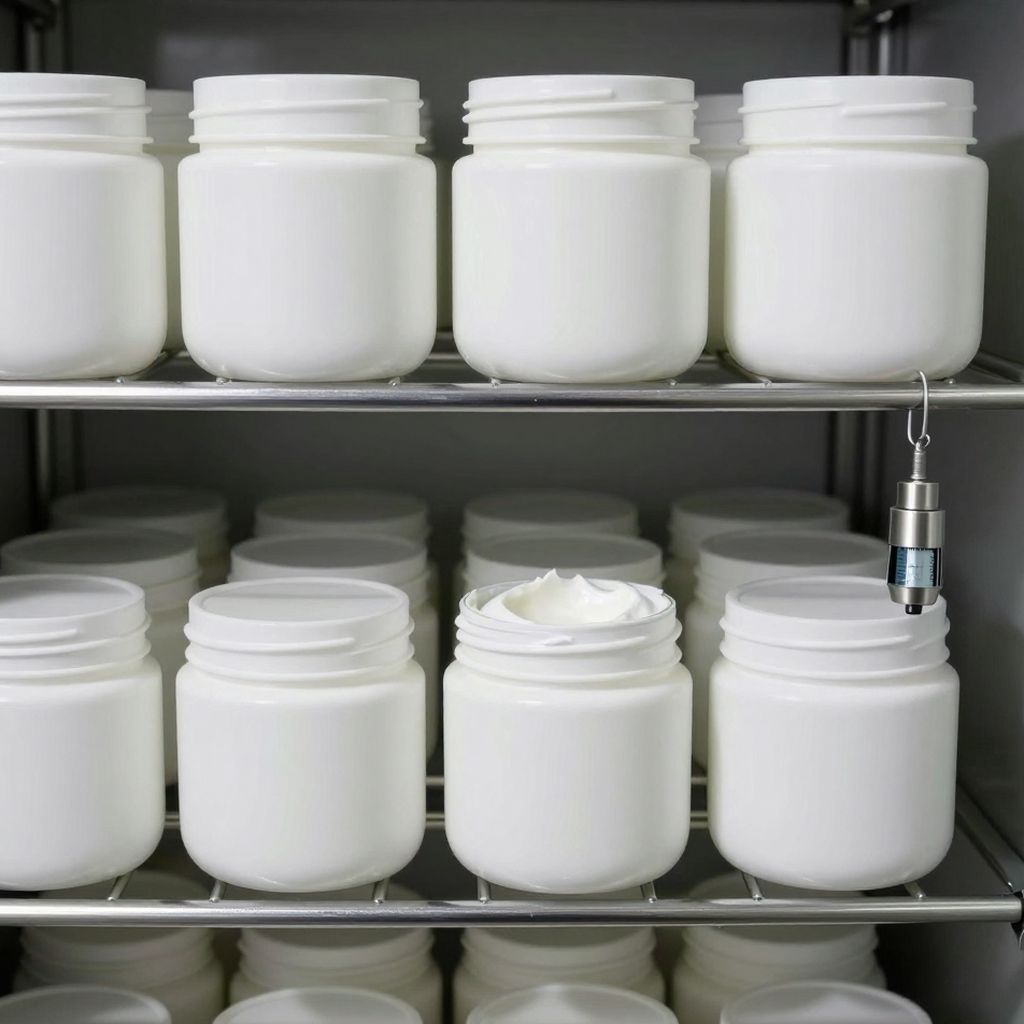
Glycerin is not only a humectant in an emulsion. At six points it changes water activity, it sits in the continuous phase, and it drags the viscosity of the whole system with it. Swapping the source changed the free water, and the emulsifier pair that had been tuned around the old number was now slightly overworked. Three weeks at forty degrees and seventy-five per cent humidity turned the difference into a visible thing: a thin ring of oil at the neck of the jar.
The stearic acid was worse. Palm and tallow grades share a trade name and do not share a specification; the acid value and the titre differ, and the emulsifier package reads that difference within the first hour of cooling. Xiao Lin ran a third trial with a different thickener ratio, then a fourth with the homogeniser speed dropped. The paste came back. The stability clock went back to zero.
Three weeks of accelerated storage is three weeks of a calendar that does not care about anybody's launch date. Xiao Lin wrote the new numbers into the trial log and said the sentence he always says: he is not there to change the formula, he is there to say what has to be tested. The formula changed. Now the tests have to follow it, all of them, including the ones that already passed.
Fahad's technical man asked whether the change was big enough to matter to his notification file. May said the honest answer is that it depends on the market and on how the file was written, and that in most systems a change of ingredient source with a different specification is a change the file has to reflect. She would not tell him it was nothing, because no authority has ever agreed with that sentence afterwards.
Scene 4 · The plant floor, Wednesday morning
The line is the part of the chain that cannot be fixed with a purchase order. This plant runs four products through the same stainless steel: a cream base, a shampoo base, a body wash base, and a lotion for a customer who insists on lanolin. Nothing in the building is pork-derived, and that sentence, true as it is, has never once been enough for a certification body.
The auditor's language is halal control points: dedicated utensils, documented cleaning between products, segregation of what is not covered by the certificate, and traceability that survives a changeover at two in the morning. May had been through it once before on a different product and knew where the file fails. It fails on cleaning validation, because a signature on a cleaning record proves that someone cleaned, not that the surface came clean.
The workshop supervisor offered the obvious answer, that they would wash twice and write it down. Xiao Lin asked what the swab test would look for, and at what limit, and who would run it. Nobody in the room could answer, including the auditor's own checklist, which asked for a validation report and did not say what the report had to contain. That gap is where most plants stop, and it is where a supplier either tells the truth or invents a procedure.
The realistic scope, Xiao Lin said, is one line and one product family, with dedicated scoops, dedicated hoses, a validated cleaning procedure, and retained swabs. Everything else in the building stays outside the certificate and is declared as outside it. That is a smaller claim than Fahad wanted and a much larger claim than a printed mark, and it costs changeover hours every time the line switches.
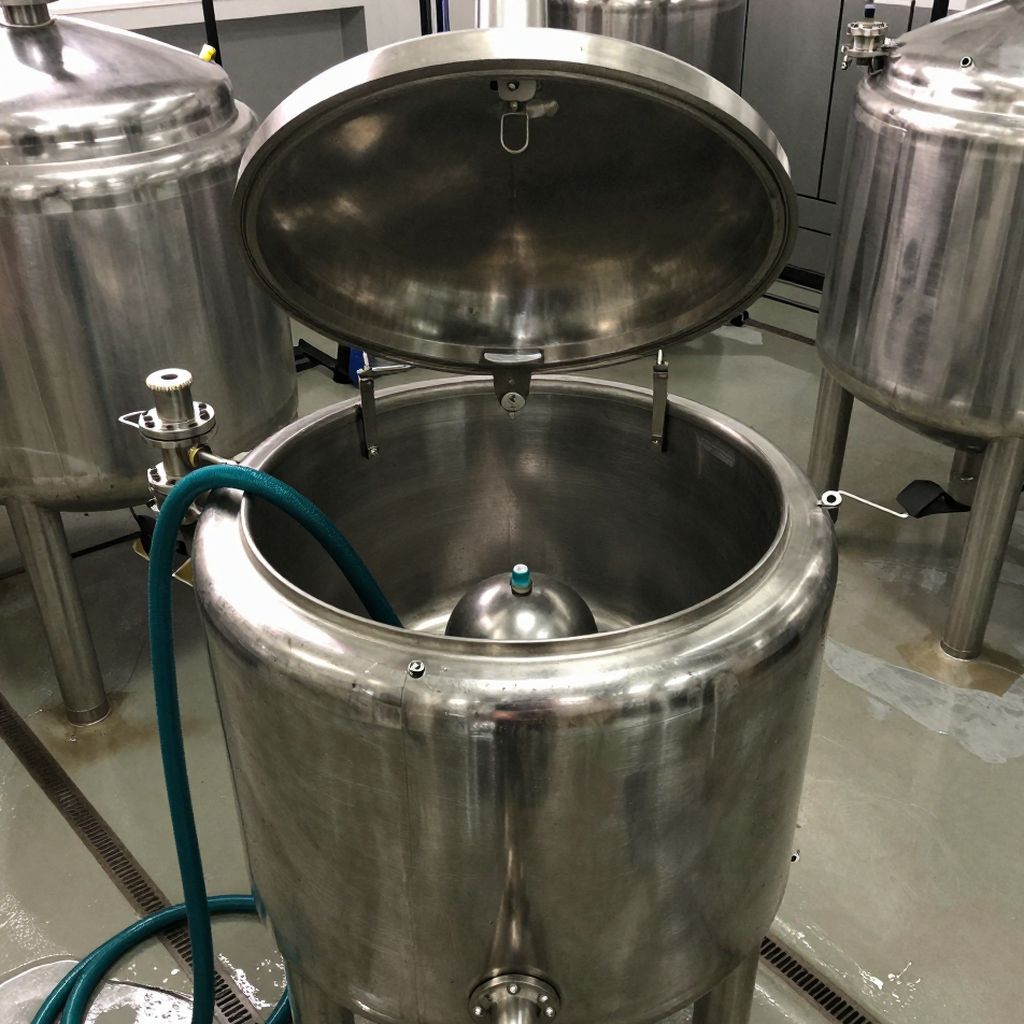
Fahad asked how many hours. The supervisor said it depends on the sequence and on whether the previous product was the lanolin one, and that on a bad day the line stands still long enough to lose a shift. Nobody in the room pretended this was free. The cost of a halal file is paid in hours on the floor, and it is paid every week, not once at certification.
Xiao Lin added the part that clients never want in the minutes: the trial batch that passed the challenge test was made on the old line configuration, and the first batch made after the cleaning validation is, strictly, a different batch. It will need its own micro results and its own retained samples before it goes into a drum with a certificate number on it.
Scene 5 · The meeting table, Wednesday evening
Strong Brother came down from the office at six with the label sheet in his hand and no folder. He put three conclusions on the table and took them one at a time. First, the drum carries six lines: material name, INCI, batch, net weight, production date, shelf life. No mark, no certificate number, no claim, until there is a certificate that covers this material and this line.
Second, the certification goes through the process, in the order the body sets. Until it is issued, what the plant can honestly give Fahad is a statement of no animal-derived ingredients, backed by supplier certificates for glycerin, stearic acid and keratin, plus a declaration of what is run on the line. That statement is not a halal certificate, and it must not be presented as one to a retailer or a customs officer.
Third, the consumer label. The line about being approved for the Gulf market has to come out. Under the Gulf technical regulation on cosmetic claims, a product may not state or imply that it has been authorised or approved by a member state authority, and the notification number is not an approval. May had the article and the paragraph number ready, because she had already been through this argument with two other clients.
Fahad went quiet, then asked the only question that mattered to him: what can still be on a shelf in six weeks. Strong Brother gave him the shape of an answer rather than a promise. A small first batch, made from the reformulated base that had passed its own tests, shipped by air instead of sea, filling one store instead of the chain. The volume batch waits for the certificate, and the certificate sets its own date.
The bill for the reformulation, the four trials and the re-run stability went to the plant, not to the customer, and nobody at the table argued about it. The bill for the sixty thousand labels went to Fahad, and he did not argue either. What he did say, on the way out, was that he had spent four months building a brand and one afternoon learning that a certificate is issued to a place, not to a product he could carry around in a drum.
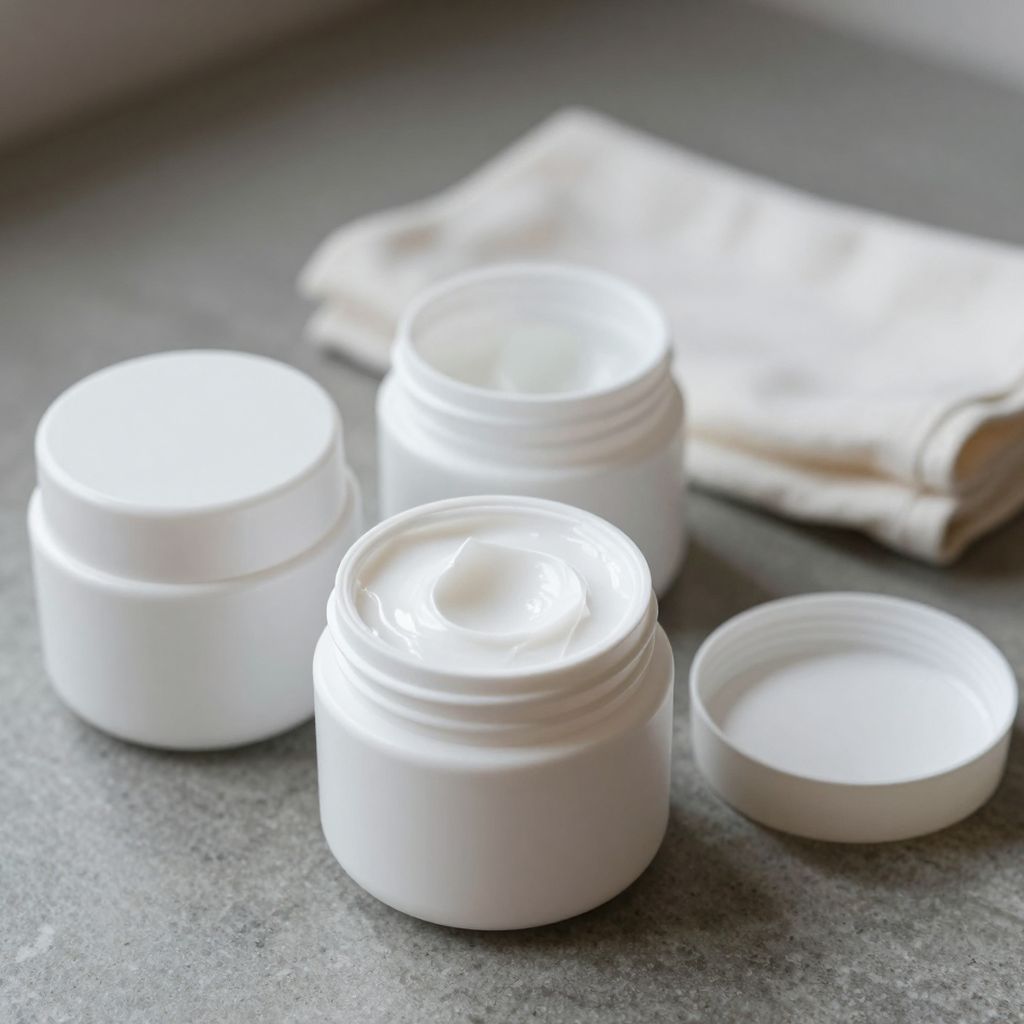
The drum that left the plant that week had six lines on it and nothing else, and behind it went a folder of supplier certificates, a cleaning validation report that named its swab limit, and a trial log with four runs in it. That folder is the product. The paste is only what carries it.
Half-finished material is sold on process and compliance, not on claims. The drum carries no efficacy wording, the notification and the consumer claims belong to the customer in their own market, and MOQ, lead time and price are confirmed per project.
Frequently asked questions
Q: Can a base material itself hold a halal certificate?
A: Yes, provided the certificate names the material and the production site, and the scheme covers cosmetic ingredients supplied to third parties. What it cannot do is cover the customer's finished product, made on someone else's line in another country. The base certificate is one link; the finished product needs its own, held by whoever fills and sells it.
Q: Does swapping the glycerin source require updating the customer's notification?
A: In most systems, a change of ingredient source that brings a different specification is a change the file has to reflect, and the notification holder is the one who decides how. Do not let a supplier tell you the change is cosmetic. Ask for the new specification, the new COA, and the stability data that goes with it, and put the question to the Authority in writing if the answer matters to your launch.
Q: Can 'no animal derivatives' or 'vegan' stand in for halal on the label?
A: No. Those statements answer a different question, and they are checked against documents, not intentions. A product can be free of animal derivatives and still fail a halal file on shared equipment, on a processing aid, or on an alcohol-based carrier. The label has to say what the file can prove, and nothing more.
Q: Is the notification number the same as an approval?
A: No. A notification confirms that a file was submitted and is on record. It is not a technical review, and it is not an authorisation to claim authority approval. Under the Gulf claims regulation, a product may not state or imply that it has been authorised or approved by a member state authority, so that line has to come off the artwork before it is printed, not after.
Q: How long does the whole file take, and what is the MOQ?

A: Certification timing is set by the body and by how fast suppliers answer; per the certification body's own account, roughly a quarter to half a year, which is why it should never be started after the artwork is printed. MOQ, lead time and price are confirmed per project, and none of them is quoted before the scope of the line and the material list are fixed.
場景1 · 利雅得一家採購辦公室,週日上午
Fahad 的辦公室牆上沒掛畫,只有一塊畫了三欄的白板。人還沒坐下,他先把三樣東西攤在桌上:一張阿拉伯文與英文對照的標籤樣、一份只圈了一個日期的上市日曆、一張他品牌委託的認證機構出的兩頁清單。三樣裡只有一樣改起來還便宜——那六萬張標籤,已經躺在達曼的倉庫裡。
他沒有先講配方,先講桶。他要桶身上印 Halal 標誌和證書編號,就印在批號旁邊;他還要消費者標籤上出現「獲主管機關批准」這一行字,因為他的經銷商已經這樣答應了零售連鎖。May 在廠裡連著線,靜了一下才說:這兩樣,我們一樣都不會印。
Fahad 走到這一步花了四個月。他的品牌沒有工廠、沒有生產許可,也沒打算建一個。做法很平常:按桶買膏霜基,在利雅得第二工業城一間租來的灌裝間灌裝,掛自己的名字,趕在冬季檔期上架。整條鏈裡他唯一以為簡單的就是基料——因為它運到的時候,只是一桶灰白色的膏體,上面什麼都沒寫。
May 先看標籤稿,沒看那張清單。上面有兩行字比別的字加粗:一行寫「不含動物來源成分」,一行寫「已獲海灣市場批准」。兩行字背後都還沒有任何文件,可兩行都已經印好、上光、裝箱點過數了。
場景2 · 樣品間,週日下午
樣品間裡三桶膏體靠牆站著,蓋子都開著。Fahad 的技術員拿抹刀在膏體上劃了一道,看有沒有顆粒。May 把那張證書清單放在桶邊,念了第一條:證書是發給一個產品和一個生產場所的,不是發給一個容器的。就這一句,把 Fahad 上午的計劃拆掉大半。
從這個廠出去的基料是原料。它有 INCI 清單、批號、COA、保質期;它沒有一個消費者認得出的品名,按海灣的規則,它還不是化妝品。沙特的申報由當地持牌的企業提交,檔案掛在那家企業名下。能跟著桶走的是一條文件鏈:每個成分是什麼、每個成分從哪來、產線上用過什麼加工助劑。
小林拿著配方表進來,平放在桌上,一句話沒先說。甘油,六個百分點,供應商 COA 上沒寫來源。硬脂酸,三個點,供應商自己的資料頁在同一個商品牌號下同時提供棕櫚來源與牛脂來源兩種規格。水解角蛋白,一個點,羊毛來源。二十六行裡的三行,任何一行都能讓一份 Halal 文件卡死。
「那就換掉這三行。」Fahad 說,語氣像在挑便宜的那個方案。May 說這是最貴的那個,然後按成本到來的順序講:先是文件,再是打樣,再是穩定性,最後是產線。他的認證機構不接受供應商的一句「一般聲明」,要的是一張寫明物料、覆蓋到這個批次的證書。三家供應商裡有兩家從沒被問過這件事,其中一家已經回話:要一個季度。
Fahad 看著日曆上被圈了兩次的日期,把算術念出來:一張紙一個季度,然後打樣,然後打樣會翻出什麼沒人知道。他問能不能先在桶上印標誌,證書後補。May 說,貨卡在邊境上就是這麼卡的;而且一個印了標誌、背後沒有證書的桶,比一個什麼都不印的桶更糟。
場景3 · 配方實驗室,週一上午
操作台上並排兩只燒杯,同一天、同一個人做的。左邊是做了兩年的配方,甘油來自牛脂;右邊是同一支配方,甘油換成棕櫚來源,價格高一些,供應商能出寫明物料的證書。小林把兩杯都倒在玻璃板上、傾斜,右邊那一攤流得稍遠一點才停住。
在乳化體系裡,甘油不只是保濕劑。六個百分點的量,它改的是水活度,它待在連續相裡,整個體系的黏度被它拖著走。換了來源,游離水就變了,原本圍著舊數字調好的乳化劑對,現在略微過頭。四十度、濕度七十五的條件下放三週,差別變成看得見的東西:罐頸一圈薄薄的油。
硬脂酸更麻煩。棕櫚來源與牛脂來源共用一個商品牌號,規格卻不共用;酸值和凝固點不一樣,乳化體系在降溫的第一個小時就讀到這個差別。小林跑了第三輪,換增稠劑比例;又跑第四輪,把均質機轉速降下來。膏體回來了,穩定性的時鐘也回到了零。
加速存放三週,就是日曆上實打實的三週,而日曆不會管誰的上市日期。小林把新數字寫進試樣記錄,然後說了那句他每次都說的話:他的工作不是改配方,是講清楚要測什麼。配方改了,測試就得跟著走,全部跟著走,包括那些已經過的。
Fahad 的技術員問:這個改動大到需要動他的申報檔案嗎?May 說誠實的答案是「看市場、也看檔案當初怎麼寫」;在多數體系裡,成分來源變更、規格也變,檔案就得反映。她不會跟他說「這沒什麼」,因為事後沒有一個主管機關同意過這句話。
場景4 · 車間,週三上午
產線是整條鏈裡用一張採購單解決不了的那一段。這個廠用同一批不鏽鋼跑四樣東西:膏霜基、洗髮基、沐浴基,還有一支客戶指定要羊毛脂的乳液。廠裡沒有任何豬來源物料——這句話是真的,但這句話從來不夠應付一家認證機構。
審核員用的詞是「Halal 控制點」:專用器具、換產品之間的清洗記錄、把不在證書範圍內的東西物理隔開、還有一條能撐過凌晨兩點換線的可追溯鏈。May 以前在另一個產品上走過一次,知道文件死在哪:死在校清洗驗證。因為清洗記錄上的簽名只能證明有人洗過,不能證明洗乾淨了。
車間班長給了個最直白的答案:洗兩遍,記下來。小林問:擦拭檢測要測什麼、限值多少、誰來做?屋裡沒人答得出,包括審核員那張清單本身——它要求一份清洗驗證報告,卻沒說報告裡要有什麼。多數工廠就停在這個缺口上;一個供應商是在這裡說真話,還是在這裡編一套程序。
小林說,現實的範圍是:一條線、一個產品族,專用抹刀、專用軟管、一份做過驗證的清洗程序、留樣擦拭片。廠裡其他東西全部留在證書之外,並在文件裡明說在證書之外。這個說法比 Fahad 想要的範圍小,卻比一個印上去的標誌重得多;而且每次換線都要付上幾個小時的停機。
Fahad 問幾個小時。班長說看順序,也看前一支是不是羊毛脂那支;運氣不好,產線停到丟掉一個班。屋裡沒有人假裝這是免費的。一份 Halal 文件的成本,是用車間裡的小時付的,而且是每週付,不是認證那一次付完就結束。
小林補了一句客戶最不想寫進會議記錄的話:那批通過挑戰測試的試樣,是在舊的產線配置上做的;清洗驗證之後出來的第一批,嚴格說就是另一個批次。它要有自己的微生物結果、自己的留樣,才能裝進那個印了證書編號的桶。
場景5 · 會議桌,週三傍晚
強哥六點從樓上下來,手裡只拿著那張標籤樣,沒帶文件夾。他把三條結論擺在桌上,一條一條講。第一,桶上只印六行:物料名、INCI、批號、淨重、生產日期、保質期。不印標誌、不印證書編號、不印任何宣稱——直到有一張證書真的覆蓋這個物料和這條線。
第二,認證按機構的流程走,順序由機構定。在證書發下來之前,廠裡能誠實給 Fahad 的,是一份「不含動物來源成分」的聲明,背後是甘油、硬脂酸、角蛋白三家供應商的證明,外加一份產線在跑什麼的申報。這份聲明不是 Halal 證書,也不能拿去對零售商或海關當證書用。
第三,消費者標籤。那行「已獲海灣市場批准」必須拿掉。海灣的化妝品宣稱技術法規寫得明白:產品不得明示或暗示已獲成員國主管機關授權或批准;申報號不是批准。May 早就備好了條文和條號,因為同樣的爭論她已經跟另外兩個客戶吵過。
Fahad 靜了一會,問了唯一對他重要的問題:六週後貨架上還能剩什麼。強哥給的是一個答案的形狀,不是一句承諾:一小批先走,用改過配方、自己測試過的那批基料做,走空運不走海運,先鋪一家店而不是整條連鎖。量產批等證書,而證書自己會決定它的日期。
改配方、四輪打樣、重跑穩定性的賬,記在廠這邊,不記在客戶頭上,桌上沒有人爭。六萬張標籤的賬記在 Fahad 那邊,他也沒爭。他走的時候只說了一句:他花了四個月建一個品牌,用一個下午學會——證書是發給一個場所的,不是發給他可以裝在桶裡帶走的東西。
那個星期出廠的桶,桶上六行字,別的什麼都沒有;跟著它走的是一個文件夾:三家供應商的證明、一份寫明擦拭限值的清洗驗證報告、一本記了四輪的試樣記錄。那個文件夾才是產品,膏體只是把它載出去的東西。
半成品賣的是工藝與合規,不是宣稱。桶上不帶任何功效字句,申報與消費者宣稱屬於客戶在自己市場上的責任;MOQ、交期、價格一律按項目確認。
常見問題
Q:基料本身能不能拿到 Halal 證書?
A:可以,前提是證書寫明物料與生產場所,而且採用的方案覆蓋「供應給第三方的化妝品原料」。它覆蓋不到客戶在別國、別人產線上做出來的成品。基料的證書只是鏈上的一環,成品要有自己的一張,掛在灌裝與銷售那一方名下。
Q:換甘油來源,客戶的申報要不要更新?
A:在多數體系裡,成分來源變更且規格跟著變,檔案就得反映,怎麼反映由申報持有人決定。不要接受供應商一句「這只是形式變更」。要新的規格書、新的 COA,還有配套的穩定性數據;如果這件事對你的上市重要,就把問題書面提交給主管機關。
Q:標籤上寫「不含動物來源」或「純素」,能不能代替 Halal?
A:不能。這是回答另一個問題的句子,而且它要靠文件支撐,不靠動機。一個產品可以完全不含動物來源,卻在共線設備、加工助劑或酒精載體上過不了 Halal 文件。標籤只能寫檔案證明得了的事,多一個字都不行。
Q:申報號是不是等於批准?
A:不是。申報只確認檔案已提交、已記錄在案,不是技術審查,也不是可以拿來宣稱「獲主管機關批准」的授權。海灣的宣稱法規明確禁止明示或暗示已獲成員國主管機關授權或批准,所以那行字要在印之前拿掉,不是印完之後。
Q:整套文件要多久?MOQ 多少?
A:認證時程由機構和供應商回話的速度決定;據認證機構口述,約一個季度到半年,所以這件事絕不能等標籤印完才開始。MOQ、交期、價格按項目確認;在產線範圍和物料清單定下來之前,這三樣一樣都不報。
Questions about this process?對這道工序有疑問?
Ask us and we will answer in writing, with the batch records to back it up.問我們,我們會以書面回覆,並附上批記錄。