
Two hundred kilos a drum, shipped to Moscow二百公斤一桶,運到莫斯科
Ivan fills jars outside Moscow and wants a base, not a finished product. But a base still has to survive a sea voyage's temperature, the EAEU ingredient list, and the bacterial limit taking effect in 2027 — these are the real thresholds that decide who a base can be sold to.伊萬的灌裝廠在莫斯科郊區,他要的是基料,不是成品。但基料一樣要過海運的溫度、EAC 的成分表,還有 2027 年生效的菌落總數新限值 —— 這些是基料能賣給誰的真正門檻。
Scene 1 · The call from outside Moscow, on a Tuesday
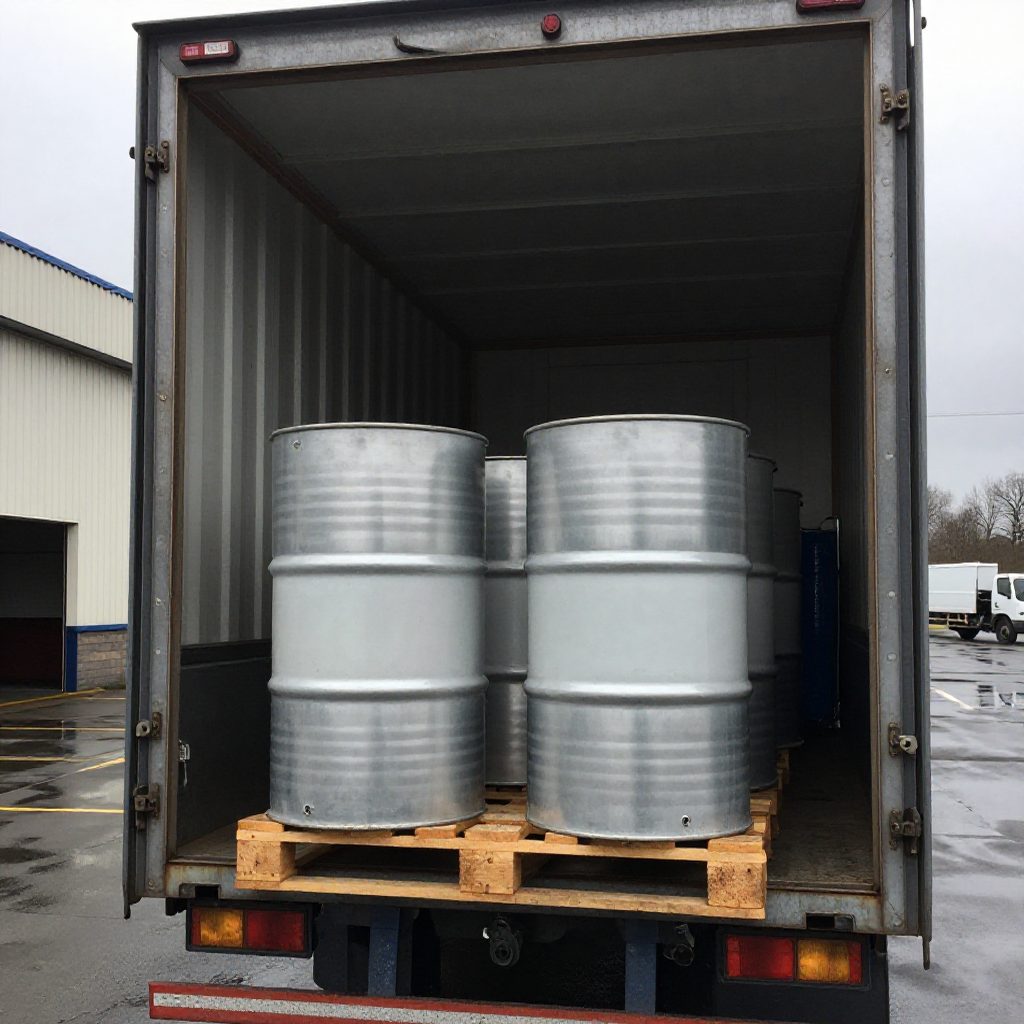
Ivan rang from a filling hall about forty kilometres outside Moscow, in a building that used to be something else before the cosmetics business moved in. He did not start with the formula. He started with the logistics. How many kilos come in one shipment, how long does the sea crossing take, what happens to the viscosity in January when the container is parked at the terminal for eleven days, and who pays if the batch arrives and the cream has separated.
Then he got to the part he actually wanted. He fills jars, he does not formulate. He wanted a cream base with a skin feel his customers in Russia already recognise, and he wanted it in a drum he could decant into his own tanks, with a full ingredient list he could hand to his own compliance person and use for his own declaration. We make the base, he fills and labels it. That sentence took nine seconds to agree and it defines everything that follows.
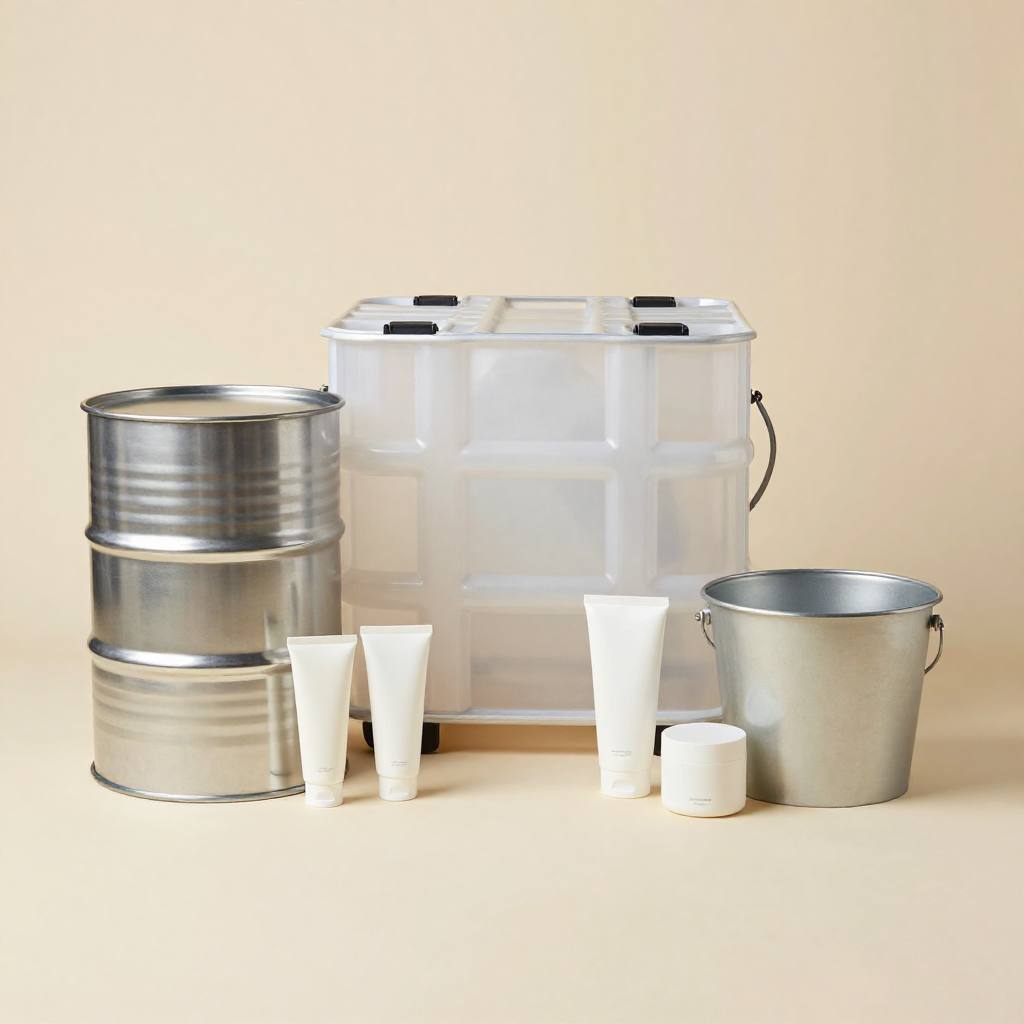
May asked the question that always separates this kind of project from a normal one. When Ivan ships his jars in Russia, whose name is on the conformity declaration. Ivan said his company, through an authorised representative in the market, and he said it without hesitation, which told us he had done this before. Good, May said, then we are not selling you a cosmetic and you are not buying one. We are selling you a raw material, and you are the party who puts the claims on the shelf.
Strong brother put one more condition on the table before the quote. No claim goes on the drum. The base we make carries no sun protection, no whitening, no anti-ageing language, because a drum is not a product with a label, and the moment a base starts carrying claims, it stops being a base and becomes something that has to be registered. What we do is supply a formulation with a stable specification, a full ingredient list, test reports and a batch record. What Ivan does downstream is his own business and his own paperwork.
Scene 2 · What a base actually is, and what it is not
There is a persistent confusion in this industry, and it costs people money. A base is not a cheap version of a finished cream. It is a formulation stripped of the things that cannot be shipped: the final actives that degrade, the final packaging that gives shelf presence, the fragrance that is tuned for a brand's story, the claims that need substantiation. What remains is the part that is genuinely hard to make, and it is the part that every brand then builds on top of.
That is the argument Strong brother makes when a buyer wants a base at a finished-product price. If you take our base and put it in your own jar with your own label, you are not saving the cost of the formula. You are saving the cost of everything you would have had to invent. The formulation work, the stability programme, the microbial work, the compatibility testing with your actives, the raw material sourcing, the batch records — none of that disappears because we did it first. It is already done, and it is already documented.
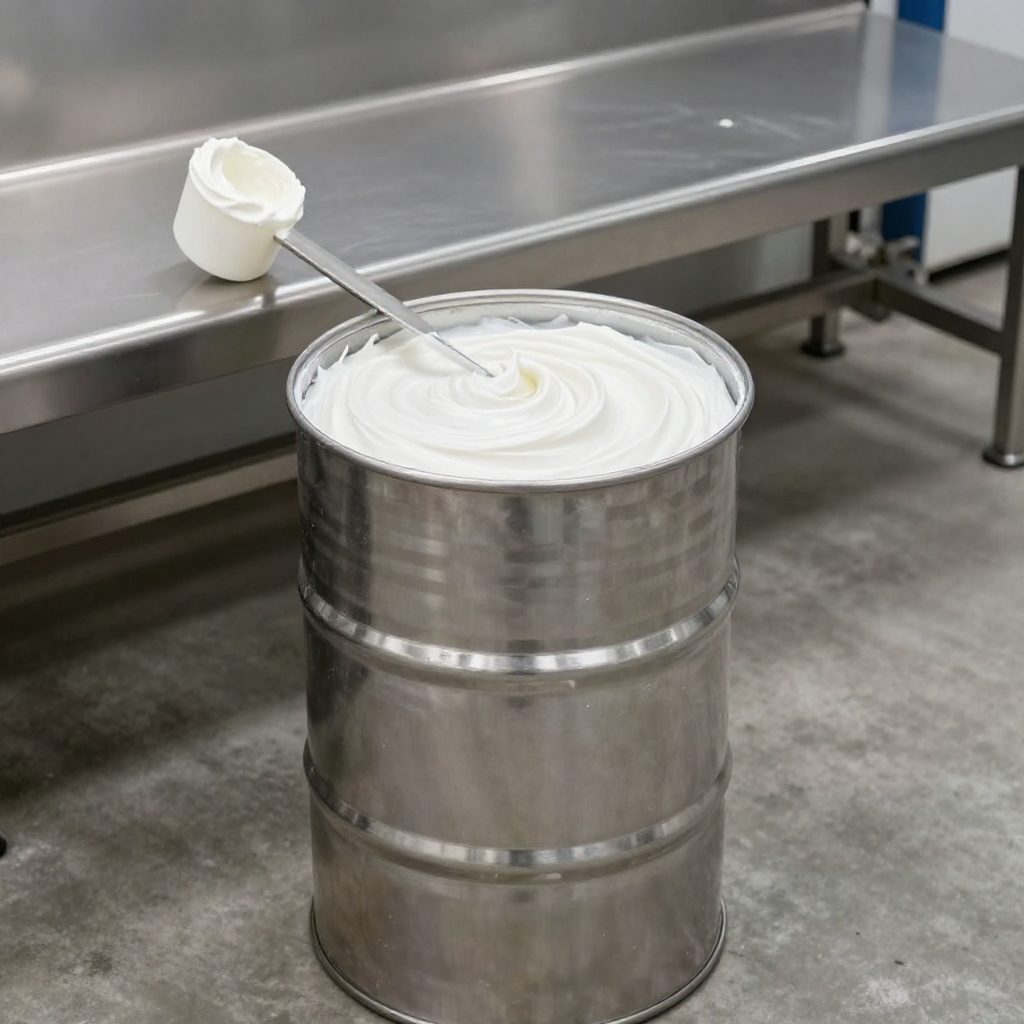
The second thing a base is not is a finished product with the paperwork left off. This is where the Russian market is specific, and where the regulatory detail genuinely changes the contract. Within the Eurasian Economic Union, a finished cosmetic placed on the market needs a conformity declaration under the Union's technical regulation on cosmetic safety, held by an importer or authorised representative in the territory. The declaration covers the finished product: its full composition, the safety information, the label and the notification record. Our base is an input to that product. We are not the declarant. Ivan's representative is.
So what does our delivery actually contain? A formulation with a defined specification: the physical parameters of the base, its pH, its viscosity range, the microbiological result at the point of filling, the full ingredient list in the naming format the market expects, the supporting test reports, and the retention samples for every batch. Ivan's team takes that documentation, adds their actives, their packaging, their claim, their label, and their name, and then they make the declaration.
The line in the contract that protects both sides is short. We warrant that the base we ship matches the specification and the batch record. We do not warrant the finished product that is made from it, because we never see it. That sentence, written plainly at the start, is what turns a first trial order into a standing one.
Scene 3 · The eleven days at the terminal
Ivan's second question was the one that made this project interesting. Sea freight to the Russian market runs through the Baltic and the northern ports, and the containers do not always move straight from the ship to the customer's tank. They sit. In a January that means a container parked outdoors, with the contents at minus twenty, and a base that was formulated for a warm shelf now arriving at a plant where the heating is on but the drum has been standing still for eleven days.
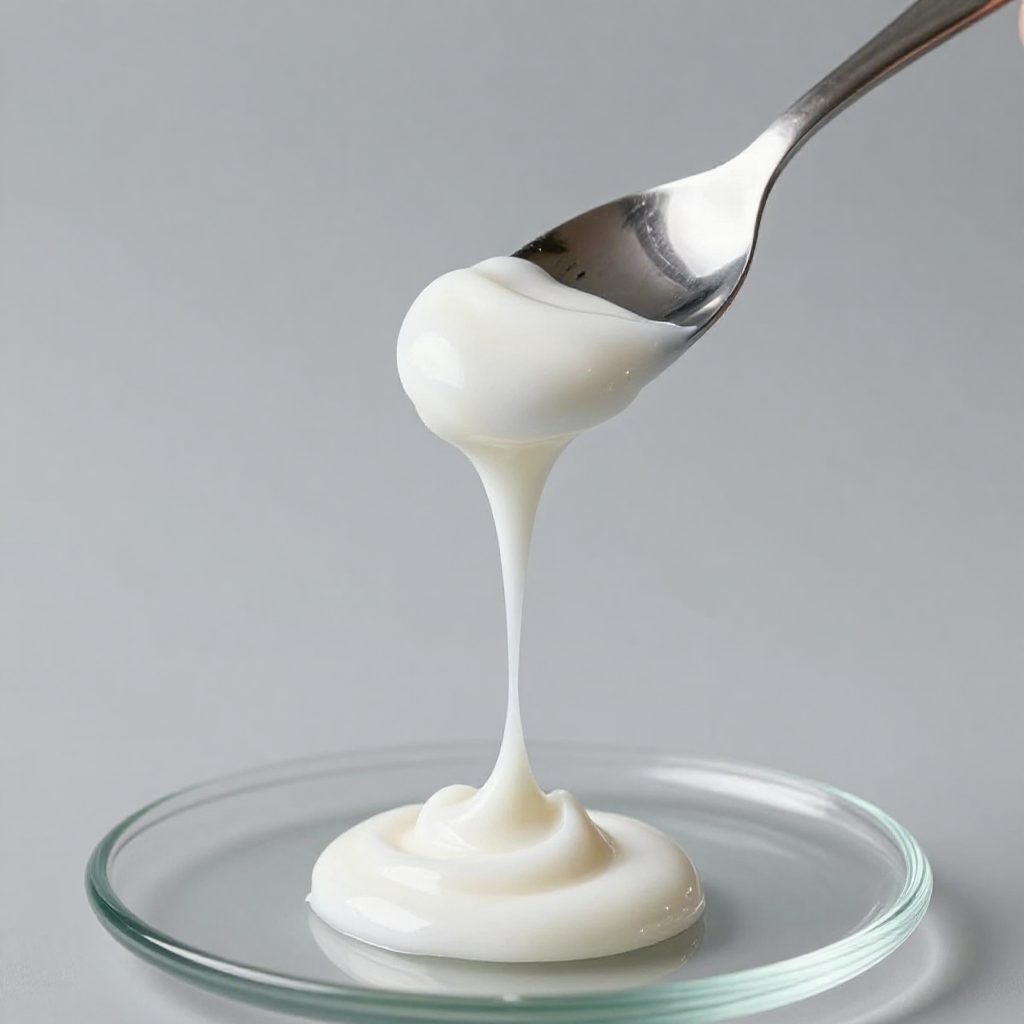
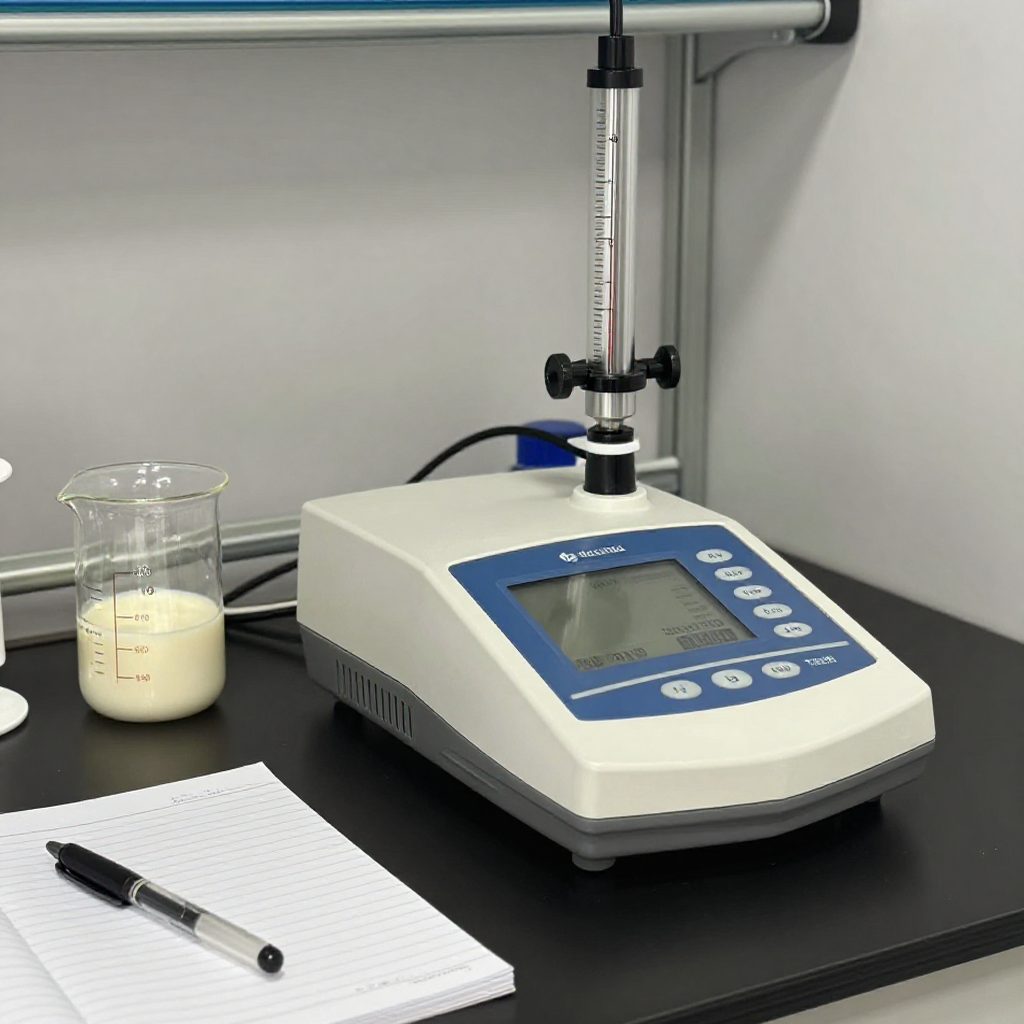
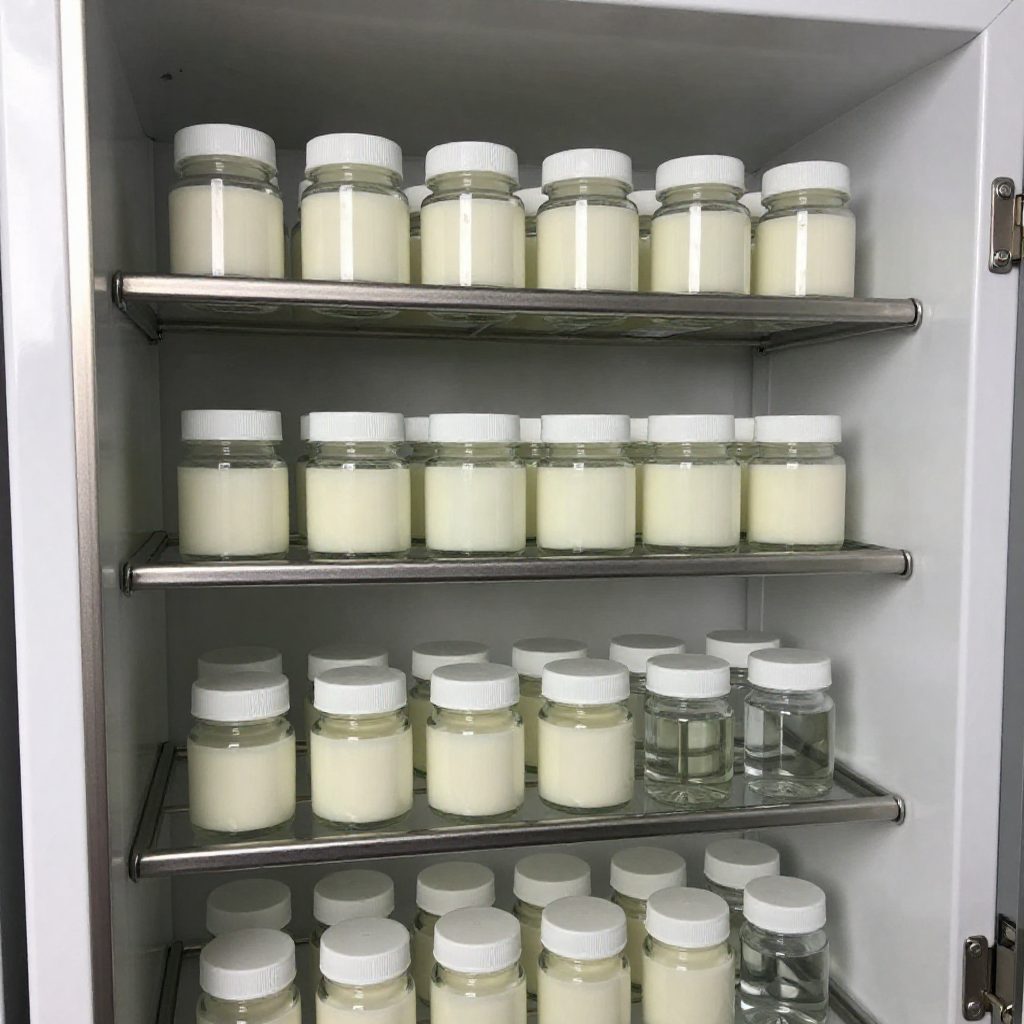
Xiao Lin from formulation answered with the test plan rather than with reassurance. Viscosity is measured at a defined temperature and a defined shear rate, because viscosity is temperature-dependent and a number without both conditions is meaningless. The base is checked for stability across the temperature swings that a northern crossing produces, not only across the tropical ones. The samples taken at filling are retained so that when a question arrives after the batch has been consumed, there is a reference to compare against.
The same conversation covers the microbial side, and here the dates matter. From 1 January 2027 the total bacterial count limit for lip, eye and children's cosmetics in China tightens from 500 to 100 CFU/g or CFU/mL, with dioxane moving from 30 to 10 mg/kg for products containing ethoxy-structure raw materials. We are manufacturing the base. We test to the tighter number in advance, and we ship the report with the batch. Ivan's finished product inherits that margin, and his downstream testing becomes a formality rather than a risk.
There is one more thing that gets discussed on every base order, and it is a supply-chain question rather than a chemistry one. A 200 kg steel drum is not a retail format. It has to be decanted, and the person decanting it needs to know whether the base was filled hot or cold, whether it needs a slow re-mix before use, and how long it stays usable after opening. Strong brother insists this goes in writing, in the same language as the rest of the document, because the most common cause of a complaint about a base is not the base. It is that nobody wrote down what to do with the drum.
Scene 4 · The ingredient list, read by two regulators
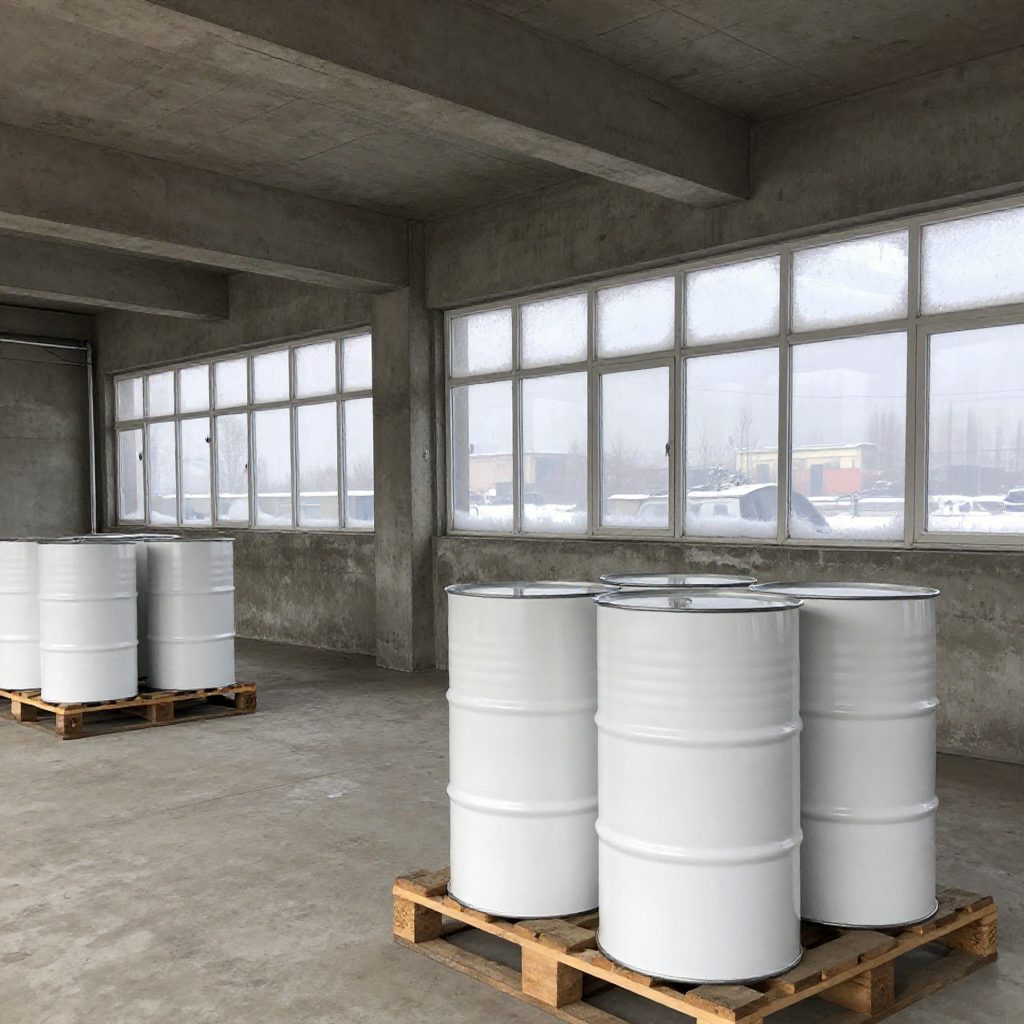
May's part of the work is the ingredient list, and for Russia it is the place where most base projects get held up. A formulation that is entirely routine in China can still contain a substance that the EAEU permitted list does not cover, or that is permitted under a different condition. The full list has to be read against the target market's list before anything is poured into a drum, not after it is on a pallet.
Ivan's plant fills a plain moisturising cream with no sun protection and no whitening, which is the simplest case and still the one where the check matters. The animal-derived question is the one to raise early, because it is expensive to discover late. Any ingredient of animal origin, whether it is a protein, an oil or a wax, has to be declared with its source, and the source documentation has to be traceable through the supplier chain. Halal documentation follows the same path in the Gulf market, and it is the reason a single base formula can need two different document packs for two destinations.
There is also the question of what the base must not contain, which is worth stating plainly to a new customer. No preservative system that exceeds the limit in the target market, no raw material that is prohibited in that territory, and no claim that belongs to the finished product. On this last point the rule is not negotiable and it is not about fear of a regulator. It is about the structure of the market: in most of these jurisdictions a claim attached to a product is a claim attached to a specific composition and a specific test report. A base that arrives carrying a claim has already made the finished product's paperwork ambiguous.
What May sends Ivan is not a marketing sheet. It is a document pack: the specification with test methods, the ingredient list, the batch records for the samples, the microbiological results, the stability summary, the material safety information the plant needs for handling, and a short instruction sheet for the drum. Everything the receiving plant needs to know before the lid comes off, and nothing that belongs to the customer to decide.
Scene 5 · The sample room, and the three questions
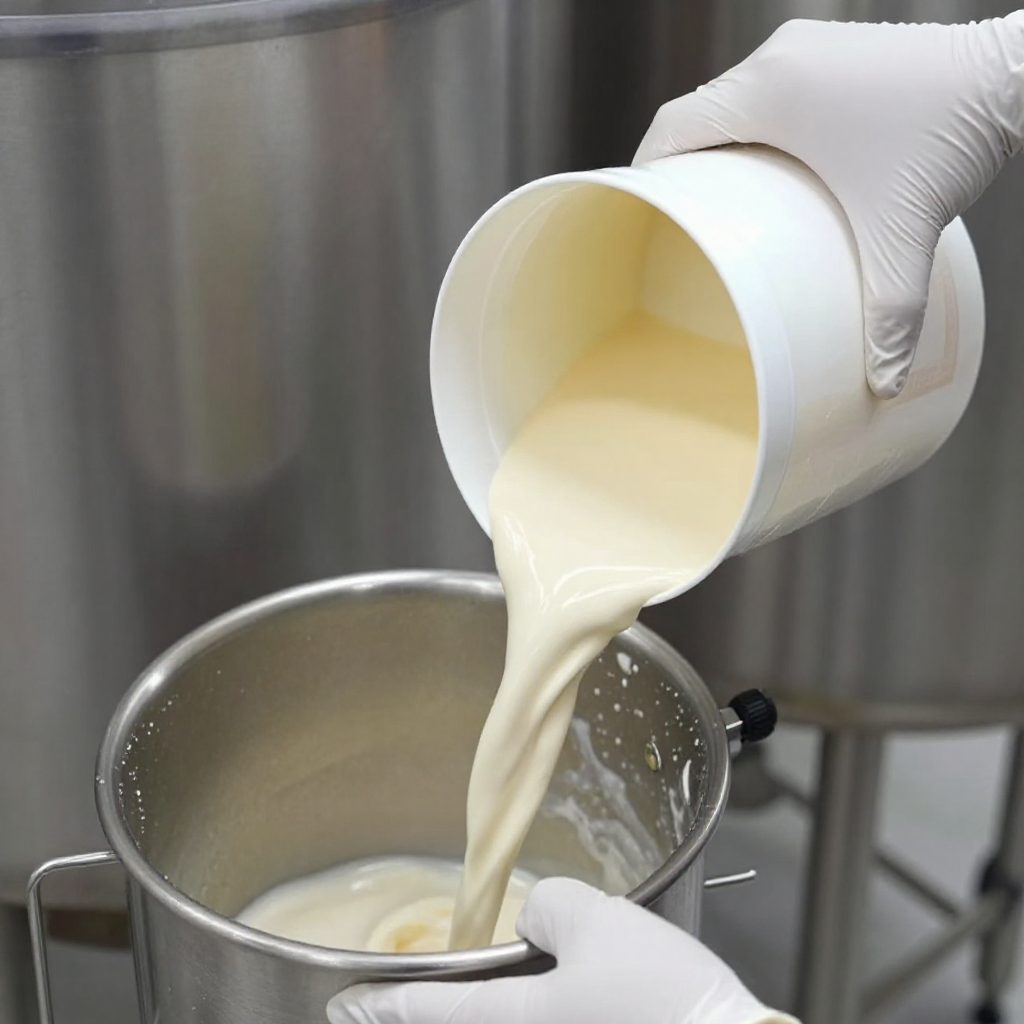
Samples went out first, in kilogram quantities, not in drums. That is standard and it is not bureaucracy. A base that has been specified, manufactured and documented is still a base that has to work in someone else's process, and the only way to know it does is to let it sit in the receiving plant's tank for a few days and see what the cream looks like at the end of that.
Ivan's technical lead sent three questions back. Did the base need a high-speed mix before use, or would a slow fold suffice. Did the pH shift after twenty-four hours of standing, and by how much. And could they add their active at the end of their process without breaking the structure. All three were answerable, and two of them needed more than the batch record.
The second sample worked. The third conversation then turned to volume, and Strong brother did something he rarely does: he quoted the price per kilo before he quoted the minimum order quantity, because the answer to the first one was the answer to the second. The base was not expensive. What cost money was the documentation and the testing behind it, and that was already spent. Ivan understood that quickly, because he had paid for the same thing once already in his own lab.
Before they fixed the order, May insisted on one more conversation, and it was the one that took longest. The finished product Ivan sells in Russia will carry his brand, his claims and his label, and if the base in it ever fails a complaint, the question that arrives will not be directed at us. It will be directed at him. Which is the correct outcome, and also the reason the base has to be the strongest part of the product rather than the cheapest.
Scene 6 · What he actually bought
Ivan's first order was a working quantity, enough to fill a production run and to leave him with a real shelf life behind it, and the shipment went out on drums with the batch documents alongside. The container tracked with a temperature logger on the pallet, because a northern crossing in winter is the kind of trip where the number on the logger is worth more than the number on the invoice.
The second order was larger and included a second base in the same family, a lighter version for a different jar. The third was a different category entirely, a cleansing base, and by then the conversation had stopped being about formulation and started being about supply: how the drums are packed, how the retention samples are kept, how the batch record is archived so that a question answered two years later still has an answer.
Strong brother closed the file with the sentence he uses when a project goes well. The formula is the easy part, he said. The easy part is that we can make it again next year, in the same way, with the same result, and put it in a drum that arrives in Moscow in the state we promised. Everything else in the business is selling that sentence.
May wrote the file summary that evening, and it was shorter than the ones she usually writes. A base, a market, a declaration held by the customer, a drum with a batch record, and a second order. She added one line at the bottom for the next project: this is how a base order works — the regulatory work happens twice, once here and once there, and the second time belongs to the customer.
Frequently asked questions
Q: Do you sell finished cosmetics in Russia, or only bases?
A: Only bases and semi-finished materials from this line. The finished product placed on the Russian market is the customer's own product, filled, labelled and declared in their name through their authorised representative in the territory.
Q: Who holds the EAEU conformity declaration?
A: The importer or authorised representative in the customs territory. The declaration covers the finished cosmetic with its full composition, safety information, label and notification record. Our base is an input to that product, and the base we ship carries its own specification, batch record and test reports.
Q: What comes in the drum?
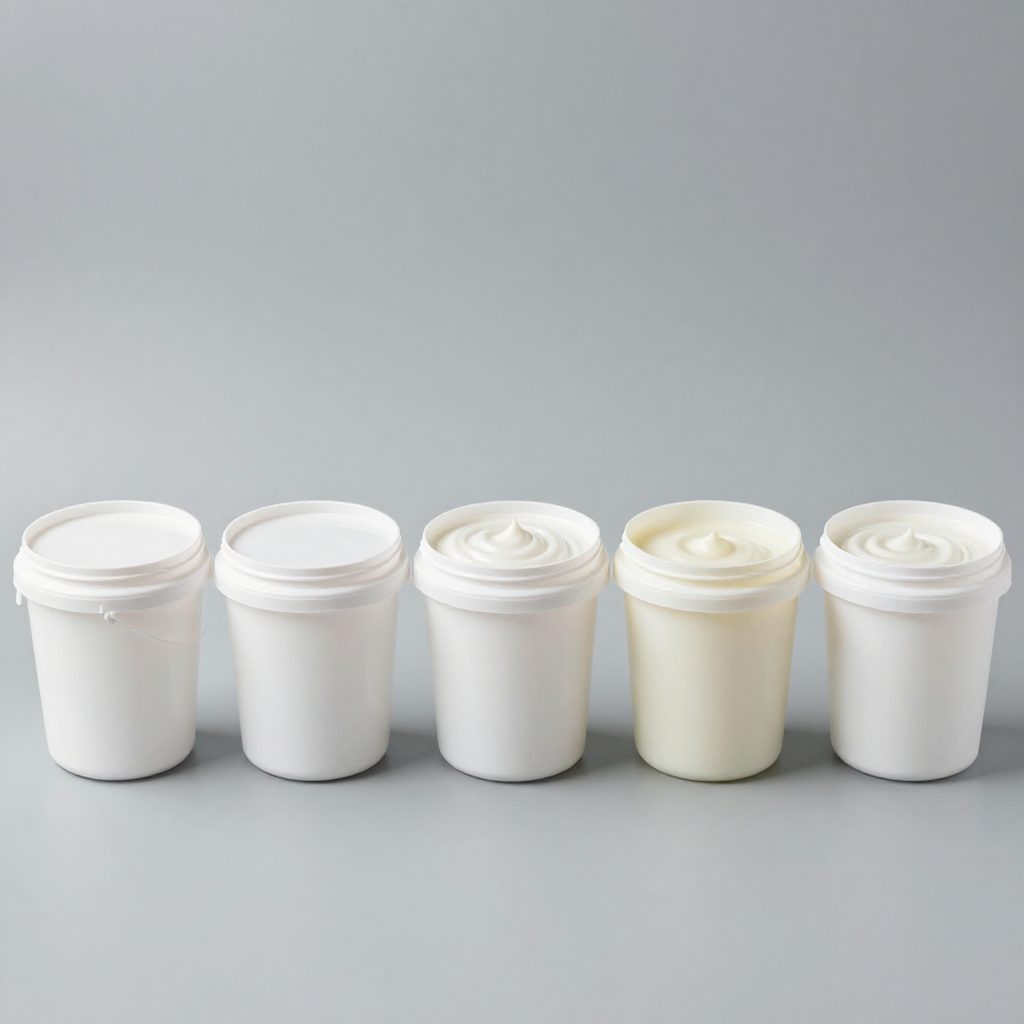
A: The base with a defined specification: pH, viscosity range with the test temperature and shear rate stated, microbiological results at filling, the full ingredient list, the supporting test reports, the material safety information for handling, and retention samples for the batch. We do not put claims on a drum.
Q: How is the base shipped, and what happens in transit?
A: In 200 kg steel drums or IBC totes on pallets, by sea freight, with a temperature logger on the pallet. Viscosity and stability are checked for the temperature swings a northern crossing produces, not only for warm climates, and the written handling instruction says whether the base was filled hot or cold and how long it stays usable after opening.
Q: What changes for a base in 2027?
A: The total bacterial count limit for lip, eye and children's cosmetics in China tightens from 500 to 100 CFU/g or CFU/mL from 1 January 2027, and dioxane moves from 30 to 10 mg/kg for products containing ethoxy-structure raw materials. We test the base to the tighter number in advance and ship the report, so the finished product inherits the margin.
Q: Can the base carry claims?
A: No. A claim belongs to a specific finished composition with its own substantiation, and a base that arrives carrying a claim makes the finished product's paperwork ambiguous. We supply the formulation, the specification and the documentation; the customer supplies the label, the claim and the declaration.
場景一 · 莫斯科郊外的電話,星期二
伊萬從莫斯科外四十公里的一個灌裝車間打來電話,那棟樓在化妝品業務入駐前曾做過別的用途。他沒有從配方講起,而是從物流講起。每次運送多少公斤,海運要多久,一月份集裝箱在港口停十一天時粘度會發生什麼變化,如果一批貨到了但乳霜分層了,這筆帳由誰來付。
然後他才說到他真正想要的部分。他灌裝瓶子,不做配方。他要的是一款俄羅斯客戶已經熟悉的乳霜基料,要以桶裝形式供應,方便他倒進自己的儲罐,並且附上完整成分表,可以交給自己的合規同事,用於他自己的合規聲明。我們出基料,他灌裝貼標。這句話九秒鐘就談成了,卻定義了後面所有的事。
May 提出了這個類型項目與普通項目區分開來的問題。當 Ivan 在俄羅斯運送他的瓶子時,合規聲明上應該寫誰的名字。Ivan 說是他自己的公司,通過市場上的授權代表,他說這話時毫不猶豫,這告訴我們他以前做過這件事。好,May 說,那麼我們不是在賣你化妝品,你也沒有買化妝品。我們是在賣你原料,而你是那個在架上標注宣稱的一方。
強哥在報價之前又加了一個條件:桶上不加任何宣稱。我們做的基料不带防晒、美白、功能性宣称这些说法,因为桶不是带标签的产品,一旦基料带上宣称,它就不再是基料,而变成了需要备案的产品。我们交的是一份规格稳定的配方、一份完整成分表、一叠检测报告和一套批次记录。伊万在下游怎么操作、怎么准备文件,是他自己的事。
場景二 · 基料是什麼,什麼不是
這個行業一直存在著一種持久的混淆,這在浪費人們的金錢。基料並不是成品霜的廉價版本。它是一個配方,去除了那些不能運輸的東西:會降解的最終活性成分,賦予產品貨架吸引力的最終包裝,為品牌故事調校的香氛,需要驗證的宣稱。剩下的部分才是真正難以製作的部分,而每個品牌都會在此基料上進行構建。
那是強哥在買家想要以成品價格購買基料時提出的論點。如果你使用我們的基料,裝進你自己的瓶子,貼上你自己的標籤,你省下的不是配方的成本,而是省下了所有你需要重新發明的成本。配方工作、穩定性計劃、微生物測試、與你的活性成分的兼容性測試、原料採購、批次記錄——這些都不會因為是我們先做的就消失。這一切都已經完成了,也已經記錄在案。
第二件基料不是的事,是它不是一个少了文件的成品。这正是俄罗斯市场的特别之处,也是监管细节真正改变合同的地方。在欧亚经济联盟境内投放市场的成品化妆品,需要一份符合性声明,由进口商或授权代表持有。声明覆盖的是成品:全成分、安全信息、标签和备案记录。我们的基料是这份成品的投入物。我们不是声明人,伊万的代表才是。
那我们到底交了什么?是一份有明确规格的配方:基料的物理参数、pH、粘度范围、灌装时的微生物检测结果、目标市场所要求的完整成分表、相应的检测报告,以及每一个批次的留样。伊万的团队拿上这套文件,加上他们自己的活性成分、包装、宣称、标签和名字,然后去做那份声明。
合同里保护双方的那句话很短。我们保证发出的基料符合规格与批次记录。我们不为由此做成的成品担保,因为我们从没见过它。这句话直白地写在开头,也正是把一次试单变成长期订单的原因。
場景三 · 港口停滯的十一天
伊万的第二个问题让这个项目变得有意思。海运到俄罗斯市场走波罗的海和北方港口,集装柜不会每次都从船上直接进到客户的储罐。它们会停。在一月份,这意味着集装柜停在露天,里面的东西零下二十度,而一款为温暖货架环境设计的基料,送到厂里时那里虽然开着暖气,罐子却已经静置了十一天。
小林代表配方这边回答,给的是测试方案而不是安慰。粘度必须在规定的温度和规定的剪切速率下测,因为粘度随温度变化,一个没写这两个条件的数字没有意义。基料的稳定性是按北方航线会经历的温度波动来验的,不只按热带的来验。灌装时取的样会留样,等这批货用完之后还有人来问,那时候才有参照可比。
同样的对话也覆盖微生物这一面,而这里日期是要紧的。自 2027 年 1 月 1 日起,中国对唇部、眼部和儿童化妆品的菌落总数限值由 500 CFU/g 或 CFU/mL 收紧至 100 CFU/g 或 CFU/mL,同时含乙氧基结构原料的产品,二噁烷限值由 30 mg/kg 收紧至 10 mg/kg。基料是我们做的,我们就提前按更严的那个数测,报告跟批次一起走。伊万的成品直接继承这份余量,他下游的检测就从一道风险变成一道手续。
每一张基料订单都会谈到另一件事,而它属于供应链问题,不属于化学问题。200 公斤的钢桶不是零售规格,它必须被分装,而分装的人需要知道这批基料是热灌装还是冷灌装,使用前要不要低速重新搅拌,开桶之后还能用多久。强哥坚持这些要写下来,用和文件其余部分一样的语言,因为关于基料最常见的投诉,源头往往不是基料,而是没人写清楚这桶东西该怎么用。
場景四 · 成分表,兩套監管標準一起看
May 负责的是成分表,而在俄罗斯,多数基料项目都卡在这里。一份在中国完全常规的配方,可能仍然含有欧亚经济联盟准用清单没有覆盖的物质,或者是在另一套条件下才被许可的物质。完整成分表必须在原料倒进桶之前对照目标市场的准用清单核,而不是等到货上了托盘才核。
伊万的厂灌的是一款基础保湿霜,不含防晒,也不含美白,这已经是最简单的情况,而检查照样重要。动物来源那一问要早提,因为晚发现代价很高。任何动物来源的成分,无论是蛋白、油还是蜡,都要申报来源,并且来源文件要能在供应商链上追溯。海湾市场的清真文件走的是同一条路径,这也正是同一款基料配方到两个目的地要准备两套文件的原因。
基料里不能有什么,这一点值得对新客户讲清楚。防腐体系超出目标市场限值的、该地区禁用的原料、以及属于成品的宣称,都不能进基料。最后这一条没有商量余地,而且这跟怕不怕监管无关,它关乎市场结构:在大多数这类法域里,挂在产品上的宣称是跟某一个特定配方和某一份特定检测报告绑在一起的。一款带着宣称到货的基料,已经让成品的文件变模糊了。
May 发给伊万的不是营销资料,而是一份文件包:带测试方法的规格书、成分表、样品批次记录、微生物检测结果、稳定性小结、工厂需要的材料安全资料,外加一份简短的桶装操作说明。收料工厂在开盖之前需要知道的都在里面;该由客户决定的部分,我们一个字都不写。
場景五 · 樣品間,與三個問題
样品是先按公斤发出去的,不是按桶。这不是官僚,是常规。一款已经定了规格、已经做出来、已经有记录的基料,仍然要进别人的工艺里跑一遍才知道行不行;唯一的办法是让它在收料厂的储罐里待上几天,看看最后出来的霜是什么样。
伊万的技术负责人回了三个问题。使用前需不需要高速混,低速折叠够不够;放置二十四小时后 pH 会变多少;他们能不能在工艺最后一步加自己的活性成分而不破坏结构。三个问题都能答,其中两个光靠批次记录答不了,所以第二批样品附了一份书面工艺说明。
第二批样品过关了。第三次对话转到数量上,强哥做了一件他很少做的事:他先报每公斤的价,再报最低起订量,因为第一个问题的答案就是第二个问题的答案。基料本身并不贵,贵的是它背后那份文件和检测,而那些钱早就花掉了。伊万很快就想明白了,因为他自己的实验室为同一件事付过一次钱。
在把订单定下来之前,May 又坚持谈了一次,这一次谈得最久。伊万在俄罗斯卖的成品会带着他的品牌、他的宣称和他的标签,万一里面那罐基料日后被人投诉,挨问的人不会是我们,而是他。这本来就是应有的结果,也正因为如此,基料必须是成品里最硬的那一块,而不是最便宜的那一块。
場景六 · 他真正買的是什麼
伊万的第一笔订单是够跑一轮生产的量,并且留在他手心里能撑过真实的保质期,发货时用桶装,批次文件随货走。集装箱上装了温度记录仪,因为冬季走北线那段路,记录仪上的数字比发票上的数字值钱。
第二笔订单量更大,加了同一族里另一款基料,一款更轻的,装在另一种罐子里。第三笔已经换了品类,是一款清洁基料,而到那时,谈的已经不是配方而是供货:桶怎么码,留样怎么存,批次记录怎么归档,好让两年之后有人来问的时候,还答得上来。
强哥用他项目顺利时最常说的那句话合上了这个项目。他说,配方是最简单的那部分。简单在我们明年还能用同样的方式,做出同样的结果,装进一个运到莫斯科还保持我们承诺状态的桶里。生意里其余的一切,都是在卖这一句话。
May 当晚写的项目总结比她平时写的都短:一份基料,一个市场,一份由客户持有的声明,一个带批次记录的桶,一笔复购。她在最后一行给下一个项目留了一句话:基料订单就是这样运作的——法规工作要做两遍,一遍在我们这边,一遍在客户那边,而第二遍属于客户。
常見問題
Q:你們在俄羅斯賣成品,還是只賣基料?
A:這條線我們只賣基料與半成品原料。最終在俄羅斯上市的成品是客戶自己的產品,由客戶在當地灌裝、貼標,並透過其市場內的授權代表備案。
Q:EAEU 合規聲明由誰持有?
A:由清關 territory 內的進口商或授權代表持有。合規聲明覆蓋的是成品及其全成分、安全資料、標籤與備案記錄。我們的基料是該成品的投入物;基料本身隨貨附上規格書、批次記錄與檢測報告。
Q:一桶裡裝的是什麼?
A:是帶明確規格的基料:pH、粘度範圍(並註明測試溫度與剪切條件)、灌裝時的菌落檢測結果、全成分表、相關檢測報告、處理工藝所需的 MSDS,以及該批次的留樣。桶上不帶功效宣稱。
Q:基料怎麼出貨?途中會怎樣?
A:以 200kg 鋼桶或 IBC 噸桶、托盤方式走海運,托盤配溫度記錄儀。粘度與穩定性按北方航線會遇到的溫度變化做驗證,不只驗證溫暖氣候;書面操作說明會寫明這批基料是熱灌裝還是冷灌裝,以及開桶後可使用多久。
Q:2027 年基料有什麼變化?
A:自 2027 年 1 月 1 日起,中國口唇、眼部與兒童化妝品的菌落總數限值由 500 收緊至 100 CFU/g 或 CFU/mL;含乙氧基結構原料的產品,二噁烷由 30 mg/kg 收緊至 10 mg/kg。我們的基料提前按更嚴的數值檢測並隨貨交付報告,讓成品直接繼承這份餘量。
Q:基料可以帶功效宣稱嗎?
A:不可以。功效宣稱屬於某一個特定成品配方及其自身的佐證材料;帶著宣稱到貨的基料,會讓成品的備案文件產生歧義。我們提供配方、規格與文件,標籤、宣稱與合規聲明由客戶負責。
Questions about this process?對這道工序有疑問?
Ask us and we will answer in writing, with the batch records to back it up.問我們,我們會以書面回覆,並附上批記錄。