
The extra piece多出來的那一塊
Director Lin brought two things to the table: a mask sheet, and a module that unclips and recharges. It sells reasonably — but the hotel and spa channels never close, because the buyer keeps asking where the guest is supposed to put the module afterwards.面膜廠的林廠長帶來兩樣東西:一片面膜,一塊可以拆下來充電的電子模組。賣得還行,但酒店和 SPA 兩條線一直談不下來 —— 對方問:「這個模組,客人用完放哪?」
Director Lin came with a bottle.
Inside the bottle was not serum but a sheet mask — to be precise, a sheet mask plus an electronic module.
He set the two things out separately on the table: on the left the mask sheet, on the right a black module slightly thicker than a business card, with a tiny indicator light on it and a charging port.
"This is what I'm making right now," he said. "You use the mask and throw it away, unclip the module and charge it, and use it again next time."
Qiang picked the module up and turned it over twice in his hand.
Act One: The extra piece
"Nicely made," Qiang said. "The structure is very clean."

"Sales are passable," Director Lin said. "But I've run into a problem I haven't been able to solve."
"What problem?"
"Guests don't take it with them."
Qiang looked up at him.
"Part of this batch goes to hotels," Director Lin said. "I sent samples over, they were very pleased, but we got stuck at the last step — they asked me, when the guest is done, where does this module go?"
"What did you answer?"
"I said they put it back in the box and take it with them." Director Lin gave a bitter smile. "They said, when guests check out they don't even necessarily take their toothbrush, and you expect them to take an electronic module?"
Beside them, May wrote that line down.
"Then there's the spa line," Director Lin went on. "That's even more trouble. They asked me, how do you disinfect the module? One guest uses it, and the next guest uses the same one — I can hardly explain to a guest that we wiped it down."
Qiang put the module back on the table and said nothing.
"So what I want to ask you," Director Lin said, looking at him, "that approach you mentioned to me last time — was it meant to solve exactly this?"
Act Two: One whole sheet, nothing to remove
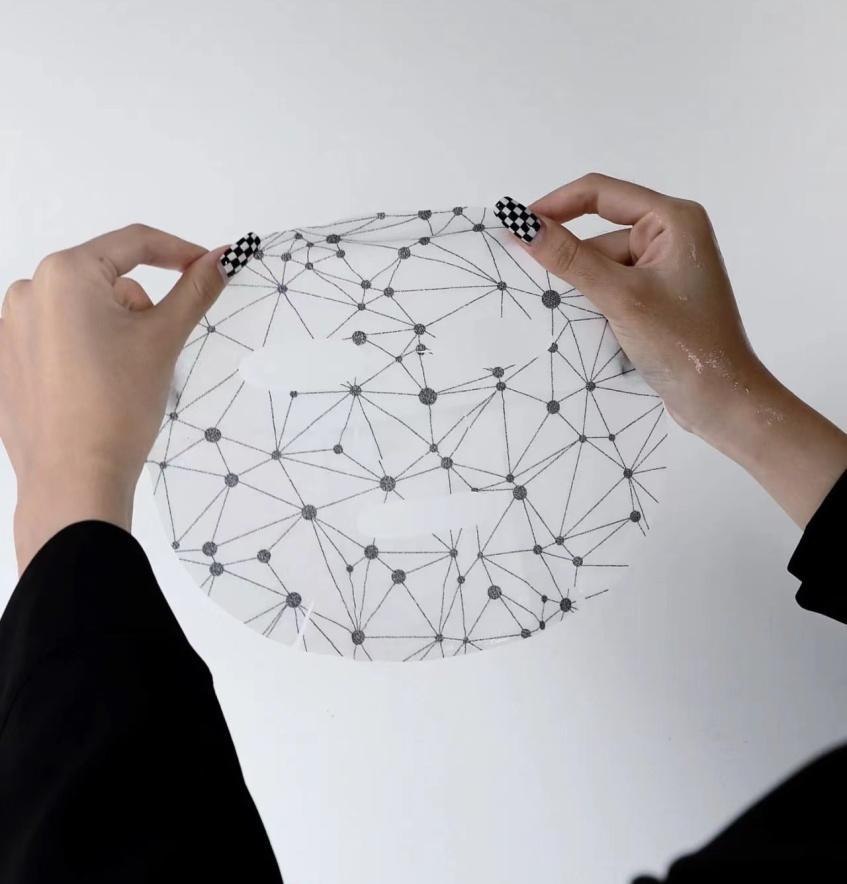
Qiang took a sheet mask out of the drawer and set it on the table.
Director Lin looked at it for two seconds, then picked it up, turned it over to the back, and turned it back again.
"This is it?"
"This is it."
"Where's the power?"
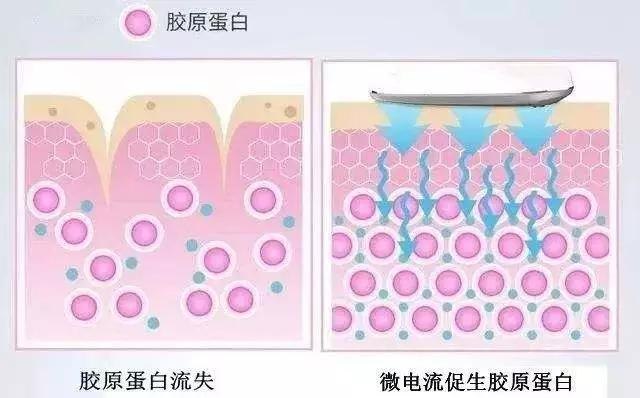
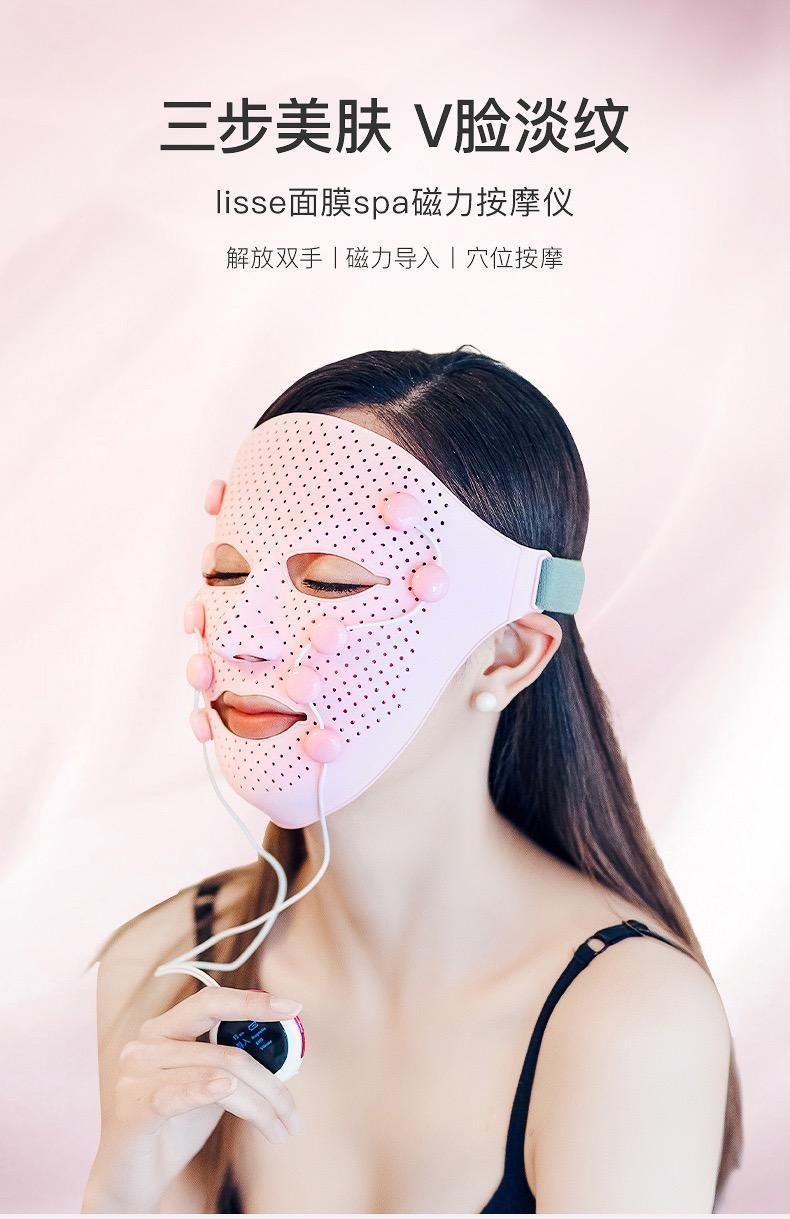
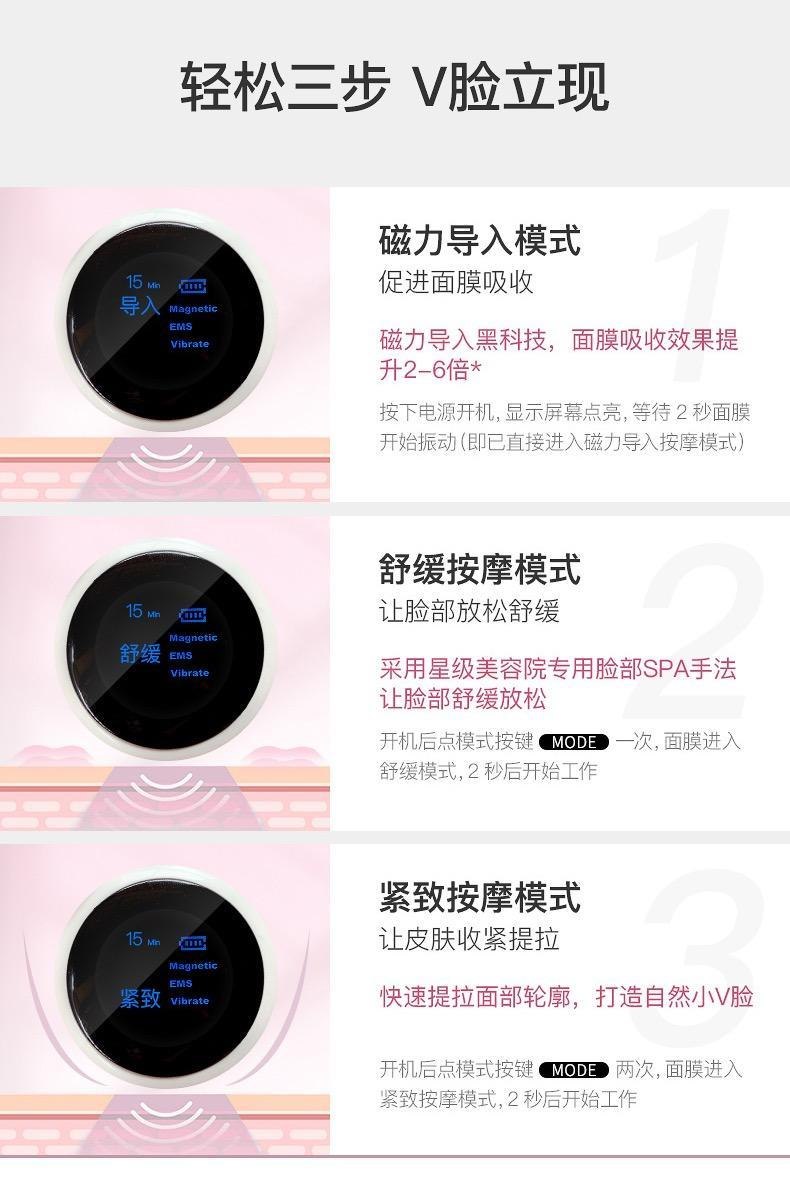
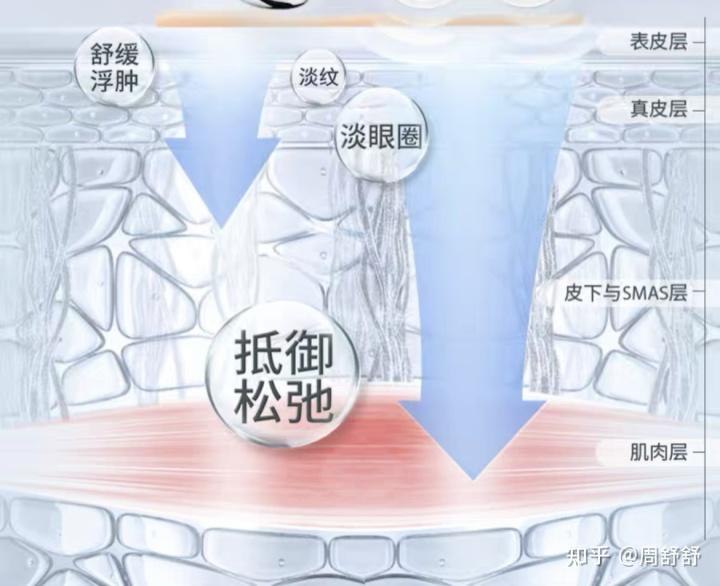
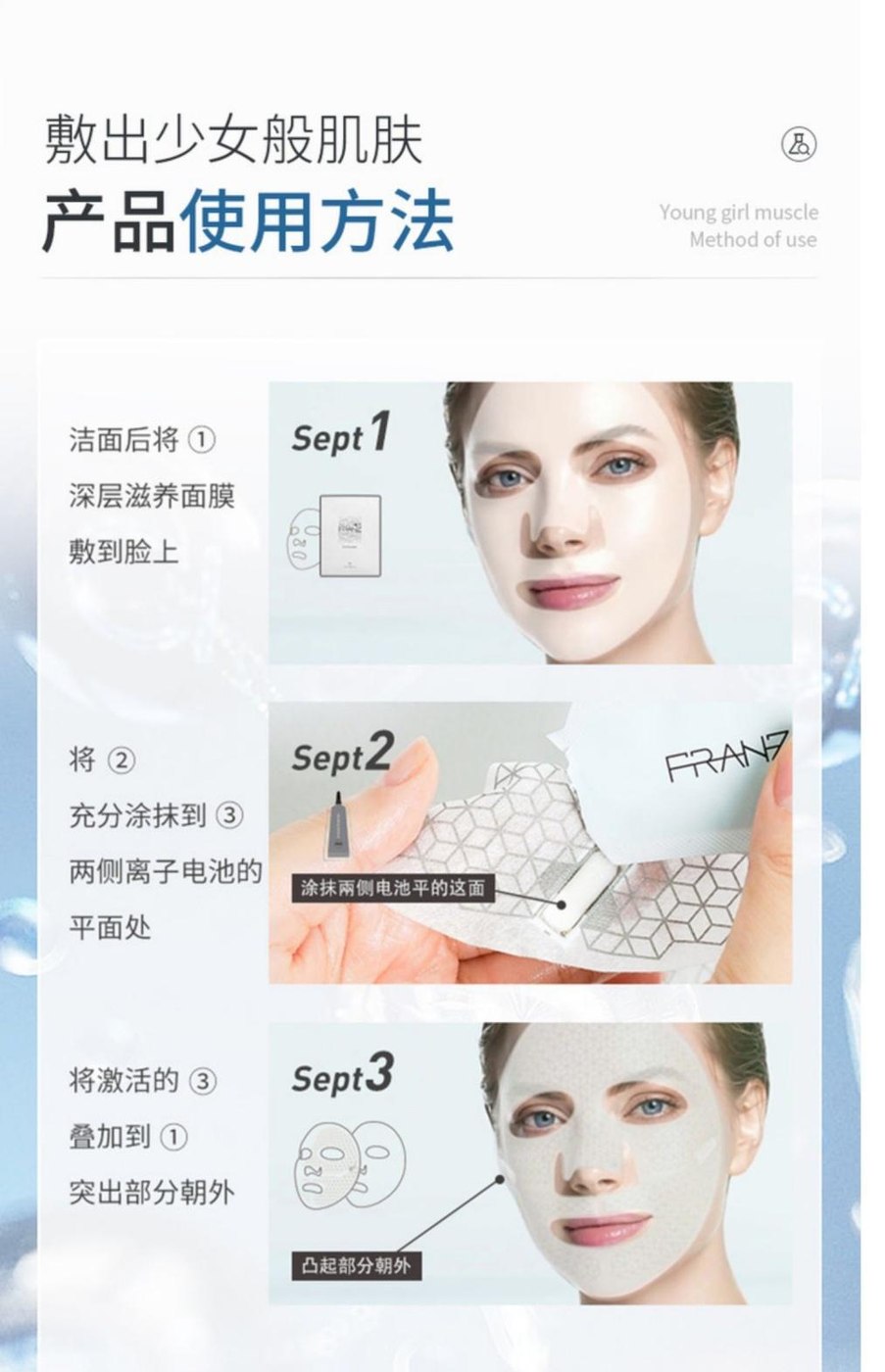
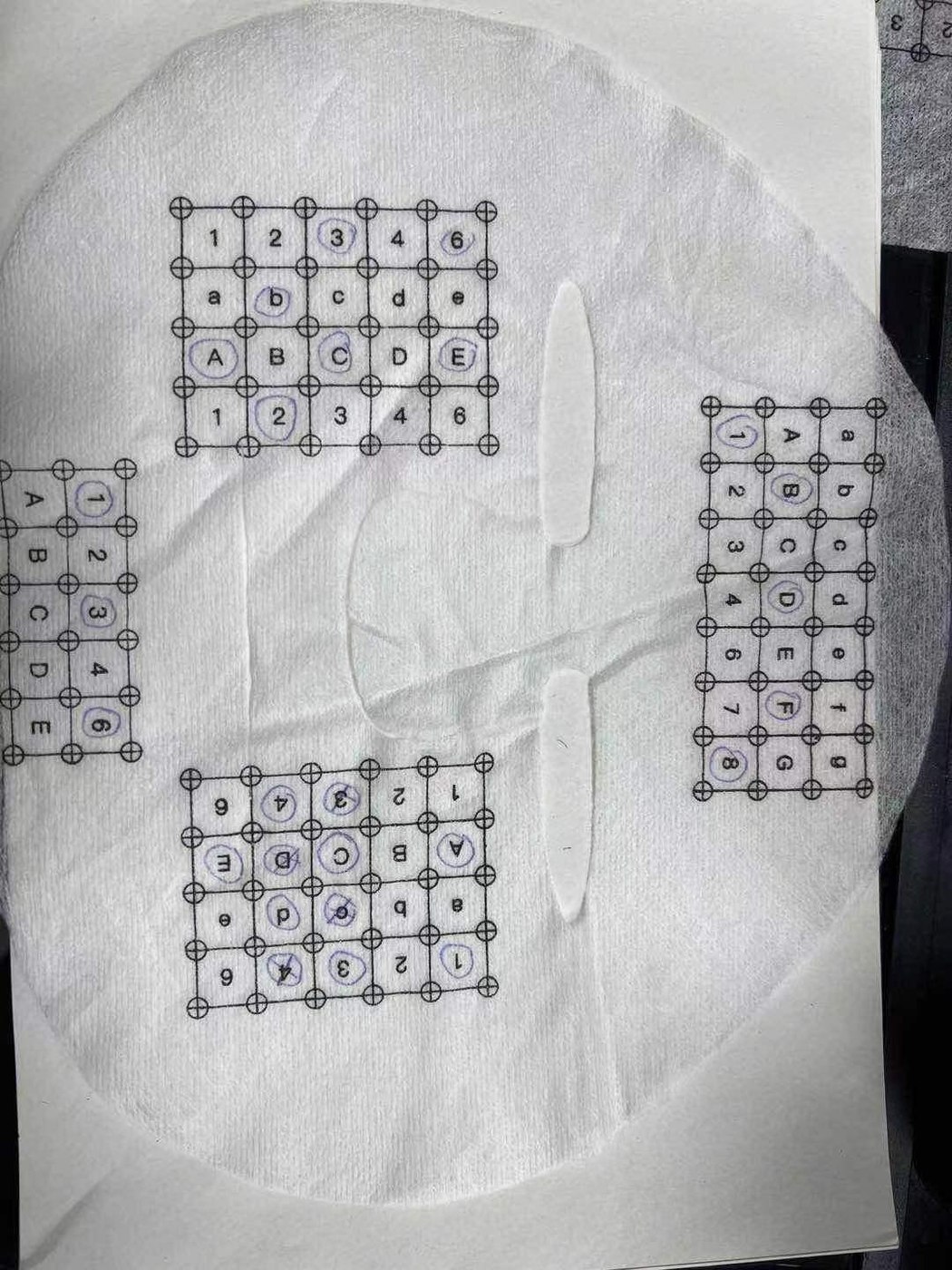
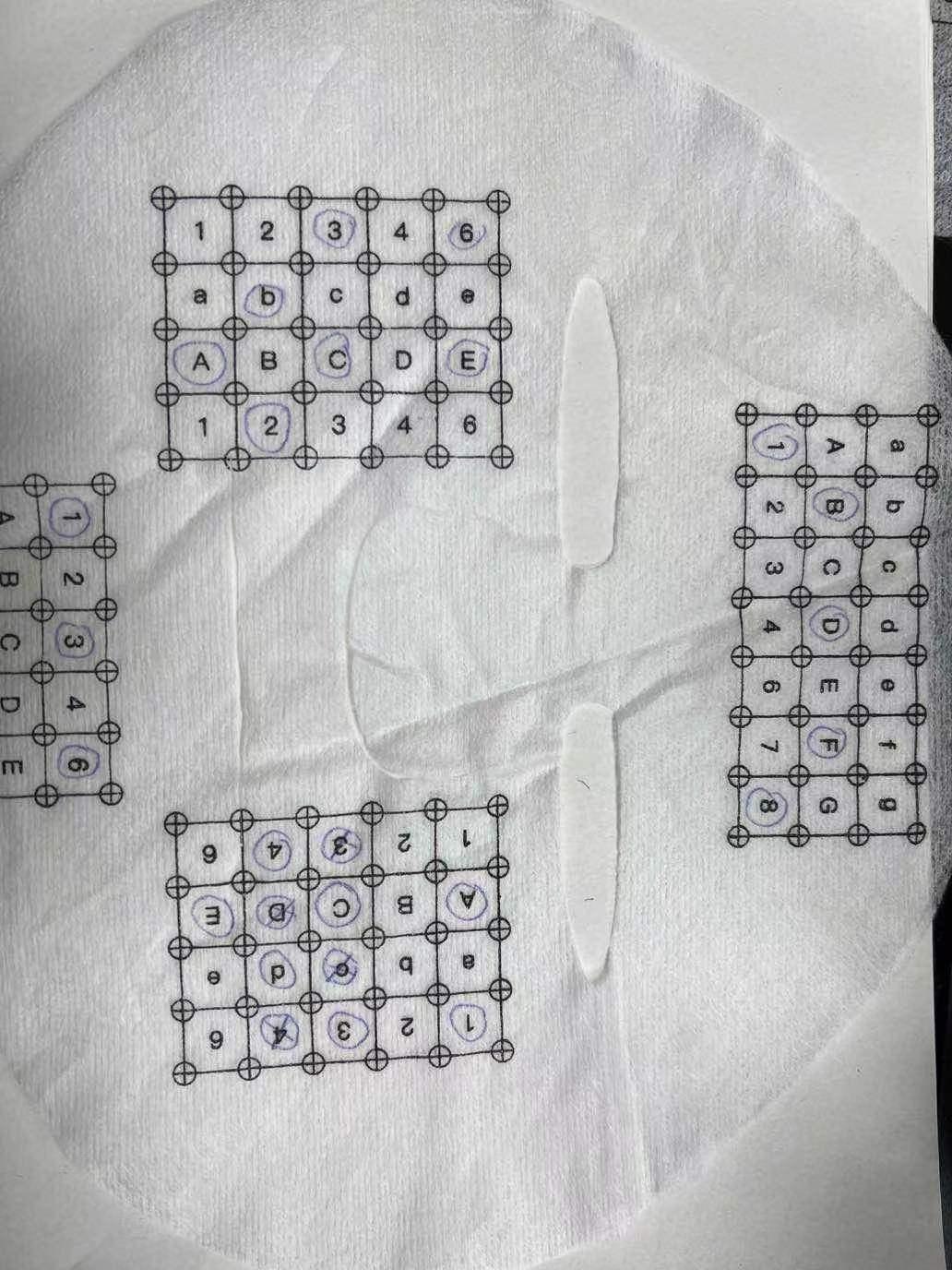
Qiang drew a line across the mask sheet with his finger. "The traces are made on a soft substrate, built into the fabric. The power source is a thin-film battery; it bends along with the mask."
Director Lin held the mask up and looked at it against the window.
"Nothing to take off," he said, as if confirming it.
"Nothing."
"And no charging port."
"No."
Director Lin put it back on the table, braced both hands on the edge, and looked at it for a long time.
Then he asked a very practical question: "How thick?"
Act Three: The thickness is not an optimisation
Qiang did not answer directly. He picked up the mask from the table, then picked up the sheet Director Lin had brought, and laid the two side by side.
"Look."
Director Lin leaned down and looked at them from the side.
He looked for about ten seconds before raising his head: "The same?"
"The same."
"How can it be the same? There's a battery in there, there are traces — "
"Because there's no housing," Qiang said. "Why is your module thick? Because it has to come apart and be reused, so it needs a housing wrapped around it, plus a charging port and clips. Those things eat up the thickness."
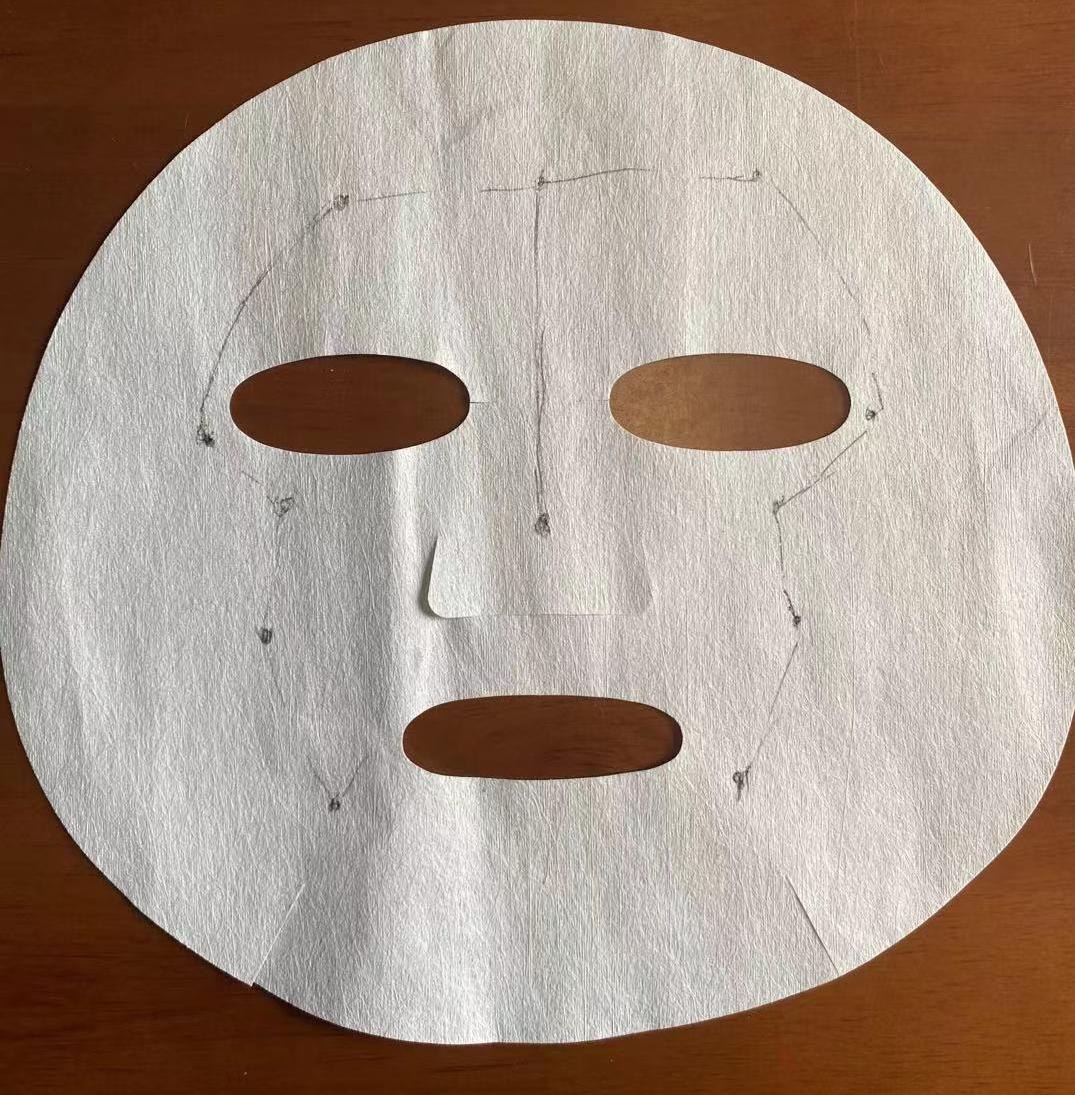
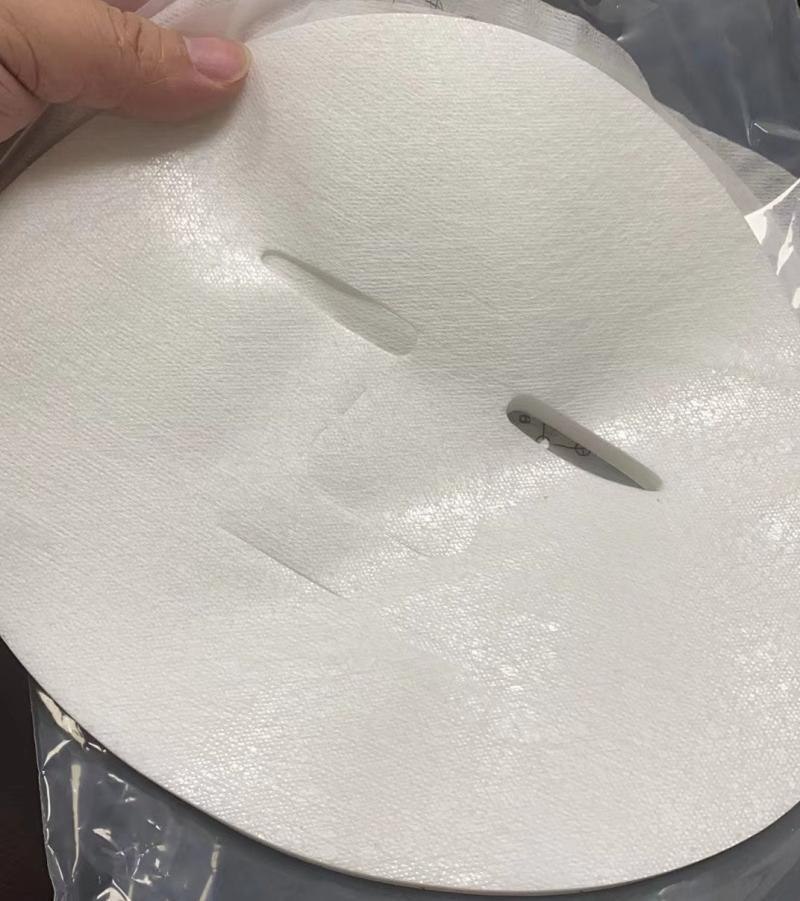
He pointed at the sheet lying flat: "Ours has none of that. The soft substrate is itself soft, so it bends with the fabric, it can be folded; the battery is a thin-film battery, also soft. So the thickness of the whole sheet is no different from the ordinary masks you make now."
Director Lin was silent for a moment.
"Then my production line..."
"No major changes," Qiang said. "That's the point. If you had to rework the whole line for one new thing, the barrier to this product would be too high — not worth it."
Act Four: Five questions
At this point Director Lin shifted his posture, and his tone changed too — from "is this thing any good" to "can this line run".
"I have a few questions," he said.
"Ask."
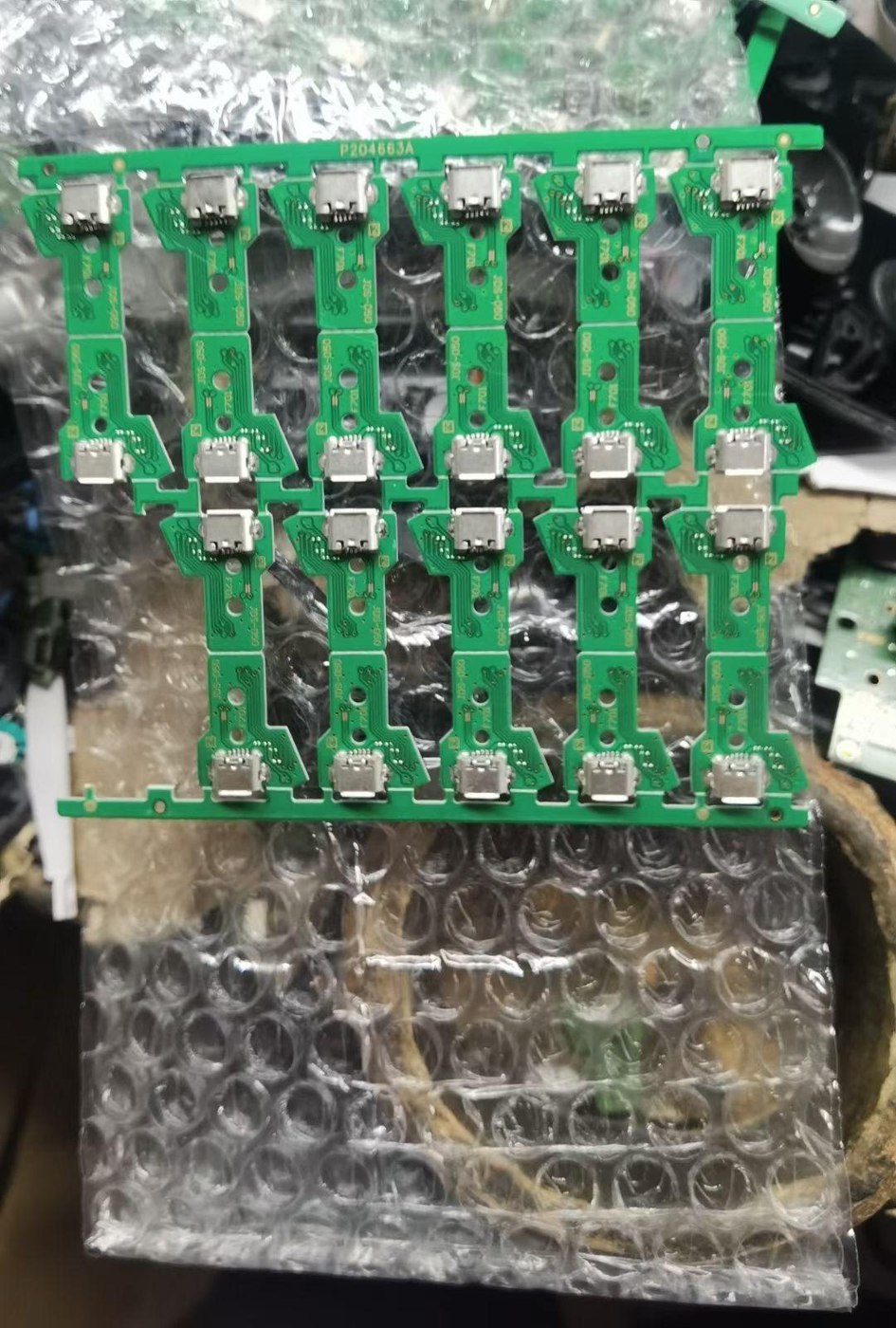
"The lamination step — manual or automated?"
"Depends on the yield you want," Qiang said. "Manual means lower initial investment, but the yield swings a lot. I'll give you an integration guide that covers the alignment method for lamination — your existing equipment should be able to do it, but the first few batches absolutely need first-article inspection."
"What about the serum?" Director Lin asked. "Do we have to change our formula?"
"You don't have to redo it, but I need to see it," Qiang said. "The microcurrent needs the serum as the conducting medium. If the ionic strength is too low, the current won't get through; if it's too high, the electrodes corrode faster. Those two things aren't something I can decide on my own."
May added: "So we'll spell out in the integration guide the three requirements for the serum — ionic strength, pH range, and ingredients to avoid."
"One more," Director Lin said. "In my target market, what does this count as?"
Qiang did not answer at once.
"That's a good question," he said. "Because it's the most expensive one."
Act Five: The most expensive question
"A product that carries a current is not an ordinary cosmetic in most markets," Qiang said. "Some countries classify it as a medical device; some have a separate electrical category. Get the classification wrong and your filings, labels, and claims all have to be redone."
"So what do we do?"
"Confirm it before you quote," Qiang said. "You can't wait until the formula is done, the samples are made, and the customer is lined up, only to find the category is wrong."
Director Lin nodded, but his expression still held a little hesitation.

"There's one more thing I should be clear about up front," Qiang said.
"Go ahead."
"Our module has a utility model patent, but it's still under examination."
"So you haven't got it yet?"
"Not yet," Qiang said. "So we can't say 'patent granted' to anyone outside. Only 'application filed'."
Director Lin smiled: "You're pretty straightforward about it."

"Because this isn't something to be vague about," Qiang said. "Also, our patent protects our part, not your whole product line. If you want to make this product, I'd still suggest you run your own freedom-to-operate search — plenty of people have entered this field in the last two years."
Beside him, May wrote that down as well.
Closing: What was left
As it was getting dark, Director Lin put both masks into his bag — one his own, one the sample Qiang had given him.
"I'll do two things when I get back," he said. "First, find out clearly what the category is in the target market; second, run a compatibility test with my serum."
"Right," Qiang said. "Until those two are done, talking price is useless."
At the door, Director Lin turned back with one more question: "Do you really only sell modules?"
"Only modules."
"Why? You could make masks yourselves."
Qiang pointed at the row of sample shelves by the window: "Because the moment I make masks, the mask factories working with me don't dare discuss development plans with me anymore."
Director Lin blinked, then laughed.
After the door closed, May folded up her tablet and asked:
"Boss, what if he ends up not doing it?"
"That would be a good thing too," Qiang said. "Better than getting halfway and then finding out the category is wrong."
FAQ
Q: How is a disposable microcurrent mask different from a product with a detachable module?
A: The difference is where the power sits. A detachable module is "a mask plus a device" — the consumer has to look after it and charge it; an all-in-one disposable is "a single mask" — when you're done, you throw it out together with the electronics. This isn't an upgrade; it's a different business model.
Q: Is the thickness really the same as an ordinary mask?
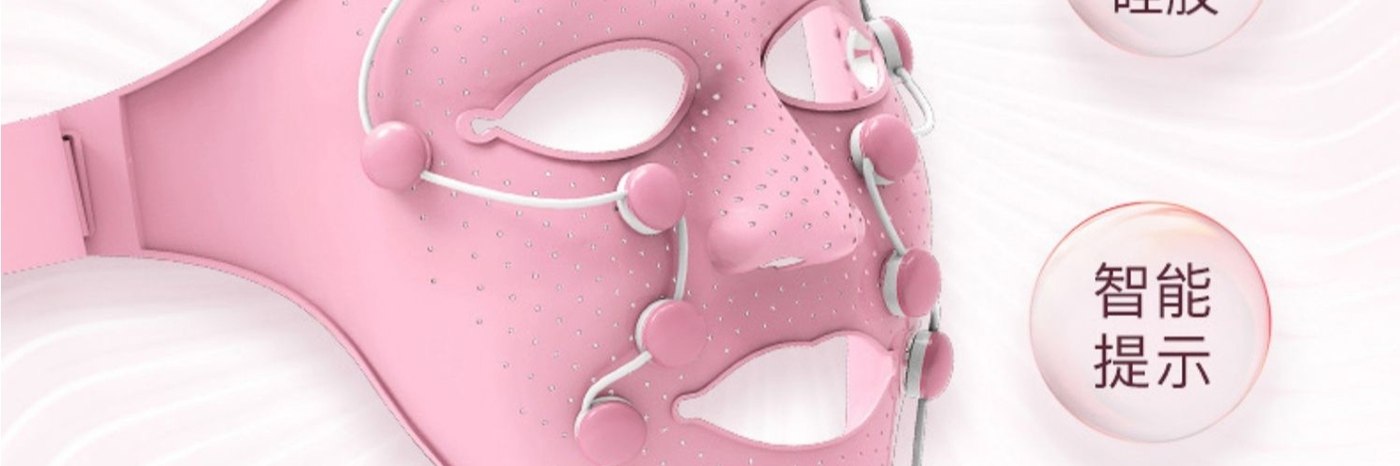
A: The same. It isn't the result of optimisation; it's decided by the architecture — no housing, no charging port, no clips, with the traces made on a soft substrate and a thin-film battery, both of which bend with the fabric.
Q: If a mask factory takes this on, does the production line need changing?
A: No major changes. Lamination and edge sealing can be done with existing equipment, but the first few batches must have first-article inspection. We'll provide an integration guide setting out the alignment method and the points to watch on the line.
Q: Does the serum need to be redesigned?

A: It doesn't need to be redone, but three things must be confirmed: ionic strength, pH range, and ingredients to avoid. The microcurrent travels through the serum; if these three are wrong, the current won't get through or the electrodes will corrode.
Q: What does this product count as under the regulations?
A: It depends on the target market — some countries class it as a medical device, others have a separate electrical category. This has to be confirmed before you quote; you can't wait until the product is finished to look it up.
林廠長是帶著一個瓶子來的。
那個瓶子裡不是精華,是一片面膜 —— 準確說,是一片面膜加上一塊電子模組。
他把兩樣東西分開擺在桌上:左邊是面膜片,右邊是一塊比名片略厚的黑色模組,上面有一個小小的指示燈,還有一個充電口。
"這是我現在在做的。"他說,"面膜用完丟,模組拆下來充電,下次再用。"
強哥把模組拿起來,在手上翻了兩圈。
第一幕:多出來的那一塊
"做得不錯。"強哥說,"結構很乾淨。"
"賣得也算可以。"林廠長說,"但我遇到一個問題,一直解決不了。"
"什麼問題?"
"客人不帶。"
強哥抬眼看他。
"我這批貨有一部分是走酒店的。"林廠長說,"樣品送過去,對方很滿意,但談到最後一步就卡住 —— 他們問我,這個模組客人用完要放哪?"
"你怎麼回答?"
"我說收在盒子裡帶走。"林廠長苦笑,"對方說,客人退房的時候連牙刷都不一定帶,你指望他帶一塊電子模組?"
May 在旁邊把這句話記了下來。
"還有 SPA 那條線。"林廠長繼續,"那更麻煩。他們問我,模組怎麼消毒?上一位客人用完,下一位客人要用同一塊 —— 我總不能跟客人解釋說我們擦過了。"
強哥把模組放回桌上,沒說話。
"所以我想問你,"林廠長看著他,"你上次跟我提的那個方案,是不是就是為瞭解決這個?"
第二幕:一整片,沒有要拆的東西
強哥從抽屜裡拿出一片面膜,放在桌上。
林廠長看了兩秒,然後把它拿起來,翻到背面,又翻回來。
"就這個?"
"就這個。"
"電在哪?"
強哥用手指在面膜片上劃了一條線。"線路做在軟膠基材上,貼合進膜布。電源是薄膜電池,跟著面膜一起彎。"
林廠長把面膜舉起來,對著窗看。
"沒有要拆的東西。"他說,像在確認。
"沒有。"
"也沒有充電口。"
"沒有。"
林廠長把它放回桌上,兩隻手撐著桌沿,看了很久。
然後他問了一個很實際的問題:"多厚?"
第三幕:厚度不是優化出來的
強哥沒有直接回答,從桌上拿起那片面膜,又拿起林廠長帶來的面膜片,兩片並排放在一起。
"你看。"
林廠長俯下身,從側面看。
看了大概有十秒,他才抬起頭:"一樣?"
"一樣。"
"怎麼可能一樣?裡面有電池、有線路 —— "
"因為沒有外殼。"強哥說,"你那塊模組為什麼厚?因為它要能拆、能反覆用,所以必須有一個殼把它包起來,還要有充電口、有卡扣。這些東西把厚度吃掉了。"
他指了指平放著的那片:"我們這片沒有這些。軟膠基材本身就是軟的,可以跟著膜布彎、可以折;電池是薄膜電池,也軟。所以整片的厚度,跟你現在做的普通面膜沒有區別。"
林廠長沉默了一會兒。
"那我的產線……"
"不用大改。"強哥說,"這就是重點。如果你們要為了一個新東西去改整條線,那這個產品的門檻就太高了,劃不來。"
第四幕:五個問題
談到這裡,林廠長換了個坐姿,語氣也變了 —— 從"這個東西好不好"變成"這條線能不能跑"。
"我問你幾個問題。"他說。
"你問。"
"貼合工序,是人工還是自動?"
"看你要的良率。"強哥說,"人工的話初期投入低,但良率波動大。我給你一份集成指南,裡面有貼合的定位方式 —— 你們現有的設備應該能做,但前面幾批一定要做首件確認。"
"精華液呢?"林廠長問,"我們的配方要改嗎?"
"不用重做,但要給我看。"強哥說,"微電流要靠精華液當介質傳導。離子強度不夠,電流進不去;太高,電極會加速腐蝕。這兩件事不是我能單方面決定的。"
May 補了一句:"所以我們會在集成指南裡寫清楚,對精華液的三條要求 —— 離子強度、pH 範圍、要避免的成分。"
"還有一個。"林廠長說,"這個東西在我那邊的目標市場,算什麼?"
強哥沒有立刻回答。
"這個問題問得好。"他說,"因為它最貴。"
第五幕:最貴的那一題
"帶電的產品,在多數市場不是普通化妝品。"強哥說,"有的國家歸到醫療器械,有的有單獨的電器類目。定性錯了,備案、標籤、宣稱全部要重做。"
"那怎麼辦?"
"在報價之前就確認。"強哥說,"不能等配方做完、樣品打好、客戶談定了,才發現類別不對。"
林廠長點頭,但表情還有一點猶豫。
"還有一件事我得先跟你講清楚。"強哥說。
"你說。"
"我們這個模組,有實用新型專利,但還在審查中。"
"那就是還沒拿到?"
"還沒。"強哥說,"所以對外不能說『已獲得專利』。只能說『已提交申請』。"
林廠長笑了一下:"你倒是講得挺實在。"
"因為這個事不能含糊。"強哥說,"另外,我們的專利保護的是我們這一段,不保護你的整條產品線。你要做這個產品,還是建議自己做一次自由實施檢索 —— 這個領域這兩年入局的人不少。"
May 在旁邊把這句話也寫了下來。
最後:留下來的判斷
天快黑的時候,林廠長把兩片面膜都收進包裡 —— 一片是他的,一片是強哥給的樣品。
"我回去先做兩件事。"他說,"一是問清楚目標市場的類別,二是拿我的精華液做一次相容性測試。"
"對。"強哥說,"這兩件事沒做完,價格談了也沒用。"
林廠長走到門口,回頭問了一句:"你們真的只賣模組?"
"只賣模組。"
"為什麼?你們自己也能做面膜。"
強哥指了指窗邊那一排樣品架:"因為我一做面膜,跟我合作的面膜廠就不敢跟我談開發計劃了。"
林廠長愣了一下,然後笑了。
門關上之後,May 把平板合起來,問了一句:
"老闆,如果他最後不做呢?"
"那也是好事。"強哥說,"總比他做了一半才發現類別不對好。"
常見問題
Q:一次性微電流面膜跟可拆卸模組的產品,差在哪?
A:差別在於電在哪裡。可拆卸模組是"面膜 + 一臺儀器",消費者要保管、要充電;整片一次性是"一張面膜",用完連電子一起丟。這不是升級,是換了一種生意模式。
Q:厚度真的跟普通面膜一樣嗎?
A:一樣。這不是優化出來的,是架構決定的 —— 沒有外殼、沒有充電口、沒有卡扣,線路做在軟膠基材上、電池是薄膜電池,都可以跟著膜布彎。
Q:面膜廠接了這個,產線要改嗎?
A:不用大改。貼合與封邊用現有設備可以做,但前幾批必須做首件確認。我們會提供集成指南,寫清楚定位方式與產線注意事項。
Q:精華液要重新設計嗎?
A:不需要重做,但必須確認三件事:離子強度、pH 範圍、以及要避免的成分。微電流靠精華液傳導,這三項不對,電流就進不去或電極會腐蝕。
Q:這個產品在法規上算什麼?
A:取決於目標市場 —— 有的國家歸醫療器械,有的有單獨的電器類目。這件事必須在報價前確認,不能等產品做完才查。
Questions about this process?對這道工序有疑問?
Ask us and we will answer in writing, with the batch records to back it up.問我們,我們會以書面回覆,並附上批記錄。