
Scalp care serum: formulation framework and claim boundaries for tropical markets頭皮洗護精華:熱帶市場的配方框架與宣稱邊界
The same serum that is stable in a Guangzhou lab can separate in a Jakarta warehouse.同一支精華,在廣州實驗室穩定,到雅加達倉庫可能就分層了。
Scalp care serums have suddenly proliferated over the past two years. Clients in Southeast Asia, the Middle East and Africa are all asking, but not in quite the same direction — some ask "can you make it", others ask "can you claim hair growth".
The first question is a formulation question; the second is a regulatory question. You have to get both right before the order can be taken.
1. Three variables in a tropical market
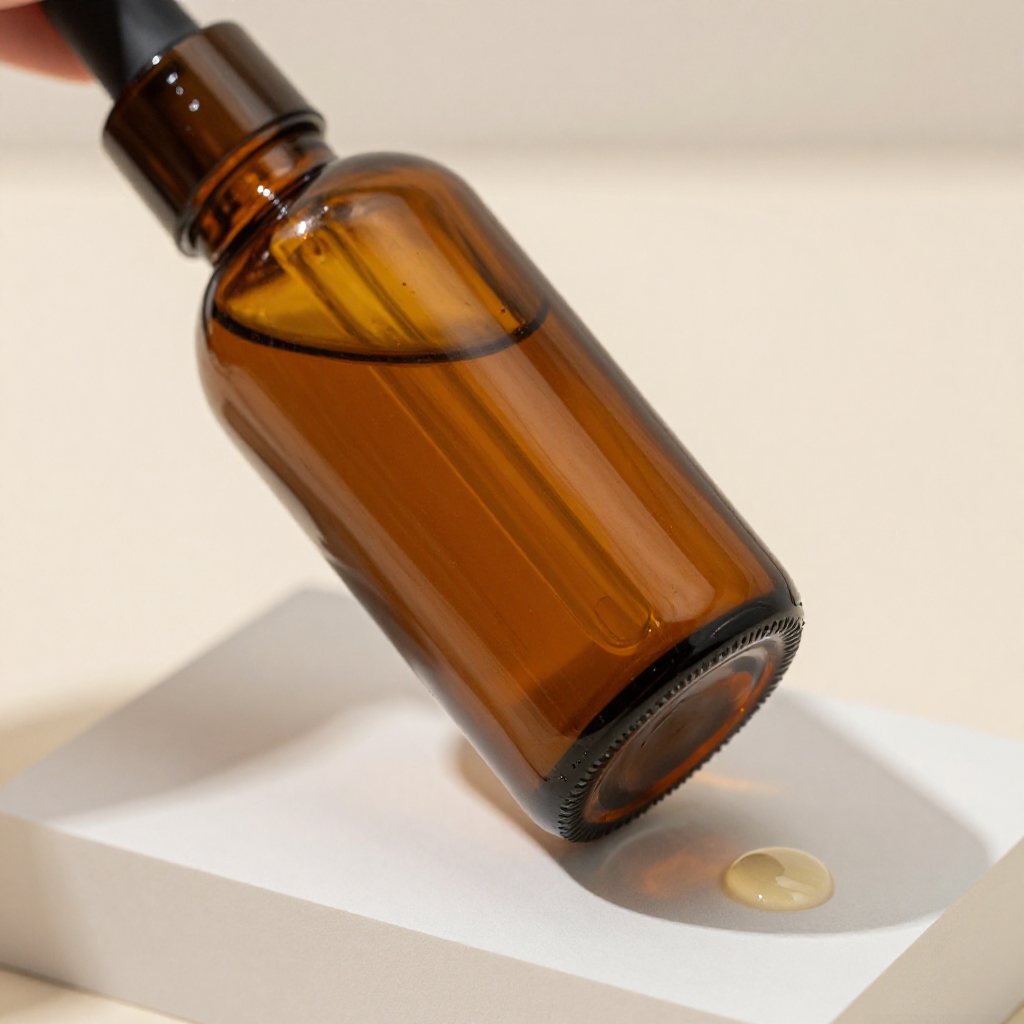
The same serum that is stable in a laboratory in Guangzhou may well separate in a warehouse in Jakarta. The difference lies in three variables:
· Temperature: warehouses at 35–45 °C are common in the tropics. A car interior in summer can reach 50 °C.
· Humidity: above 75% all year round. Water condenses on the outside of the bottle, labels disintegrate, and the contents absorb moisture.
· Light: in many markets the shelves are semi-outdoor, and sunlight falls directly on the bottle.
These three variables bring four concrete consequences: oil exudation, phase separation, a sour odour, and degradation of the actives. The last of these is the most troublesome — because it does not show up immediately.
2. Modular: fixed base, optional actives
With private-label orders, the thing to dread most is "every client needs a new formula". The sampling cost alone would crush you.
Our approach is to split the formula into two layers:
· Base layer: water phase, humectants, carrier, thickener, preservation system, pH. Once this layer has been validated, every order shares it.
· Active layer: Caffeine, Niacinamide, PDRN and the like. Increased or reduced to the client's requirements, but the base layer stays untouched.
The benefit is fast sampling — the stability data for the base layer can be cited directly, with no need to repeat accelerated testing every time.
⚠️ But there is one precondition here: additions to or reductions in the active layer cannot exceed what the base layer can bear. If too much active is added, for example, the preservation system is diluted, and you have to go back and revise the base layer. This boundary must be written clearly in the formula file.
3. Eight actives and their concentration windows
Below we give only the 【concentration windows】, not exact ratios. The windows are the reference ranges commonly used in the industry; the exact values depend on the specific system, the packaging and the target market, and must be established by sampling.
· Caffeine: 0.5–2.0%, commonly 1.0–1.5%. Its function is to stimulate scalp microcirculation. It is most stable at pH 5.0–6.0; the higher the pH, the faster it degrades.
· Niacinamide: 2–5%, commonly 3–4%. Supports the scalp barrier and helps regulate oil. It works synergistically with Caffeine, but in the presence of high-concentration pure vitamin C (L-Ascorbic Acid) it forms nicotinic acid, causing stinging and yellowing.
· PDRN (polydeoxyribonucleotide): 0.001–0.01%, calculated against the supplier's activity standard. This is an ingredient used only in high-end private label. It is costly and demanding about its formulation environment — a strong oxidiser will deactivate it outright.
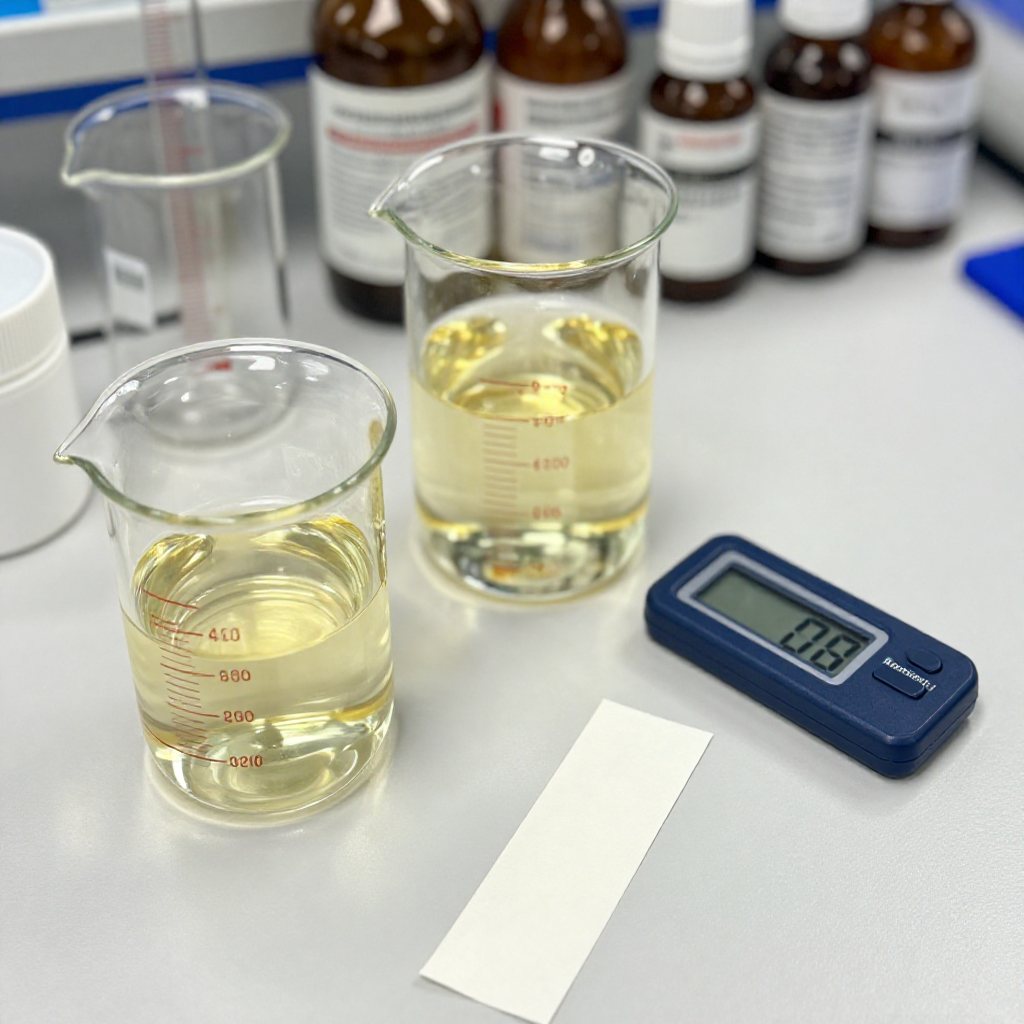
· Mentha Piperita Oil: 0.05–0.2%. The source of the cooling sensation. But essential oils volatilise readily and will oxidise and turn at high temperature; menthol can be used to replace part of it, or a closed system can be built.
· Rosmarinus Officinalis Leaf Oil: 0.05–0.3%. Antioxidant and soothing. It is itself prone to oxidising into peroxides, so an antioxidant must always be included.
· Hydrolyzed Collagen / peptides: 1–3%, providing lubricity and moisture retention, and also affecting overall viscosity.
· Glycerin: 3–6%, for basic humectancy and freeze protection. In high-humidity environments it can be reduced somewhat to avoid tackiness.
· MCT (Caprylic/Capric Triglyceride): 2–5%, a light carrier replacing heavy oils. This is the key to "refreshing without tackiness".
4. pH and incompatibilities
The pH target for the whole system is 5.0–6.0. This range satisfies both the stability of Caffeine and the tolerance of Niacinamide.
Three incompatibilities that must be avoided:
· Niacinamide + high-concentration pure vitamin C: forms nicotinic acid, stinging and yellowing. If vitamin C is needed at all, use a derivative (such as ascorbyl glucoside).
· PDRN + strong oxidiser (hydrogen peroxide, persulfates): activity drops straight to zero.
· Peppermint oil + high temperature + no antioxidant: after oxidation the odour turns from cooling to a rancid oil note.
5. Where the claim line sits
A number of markets (the EU, ASEAN, the Gulf, some African countries) are all tightening claims of the "hair growth / hair loss treatment" kind.
What can be written:
· supports scalp health
· refreshing / cooling
· helps balance oil
· clean-label / free from
What cannot be written:
· hair growth
· anti-hair-loss / prevents hair loss
· hair regrowth
· any wording that implies "treatment"
⚠️ This line is not only on the packaging. It also runs through the product page, the customer-service script and the copy KOLs use when they sell it. Cross it in any one of those places and it is the brand that gets complained about — the contract manufacturer is usually not held liable, but that client is gone.
6. Tropical stability testing
Conventional accelerated testing is 45 °C / 4 weeks. But for tropical markets we recommend adding one more layer:
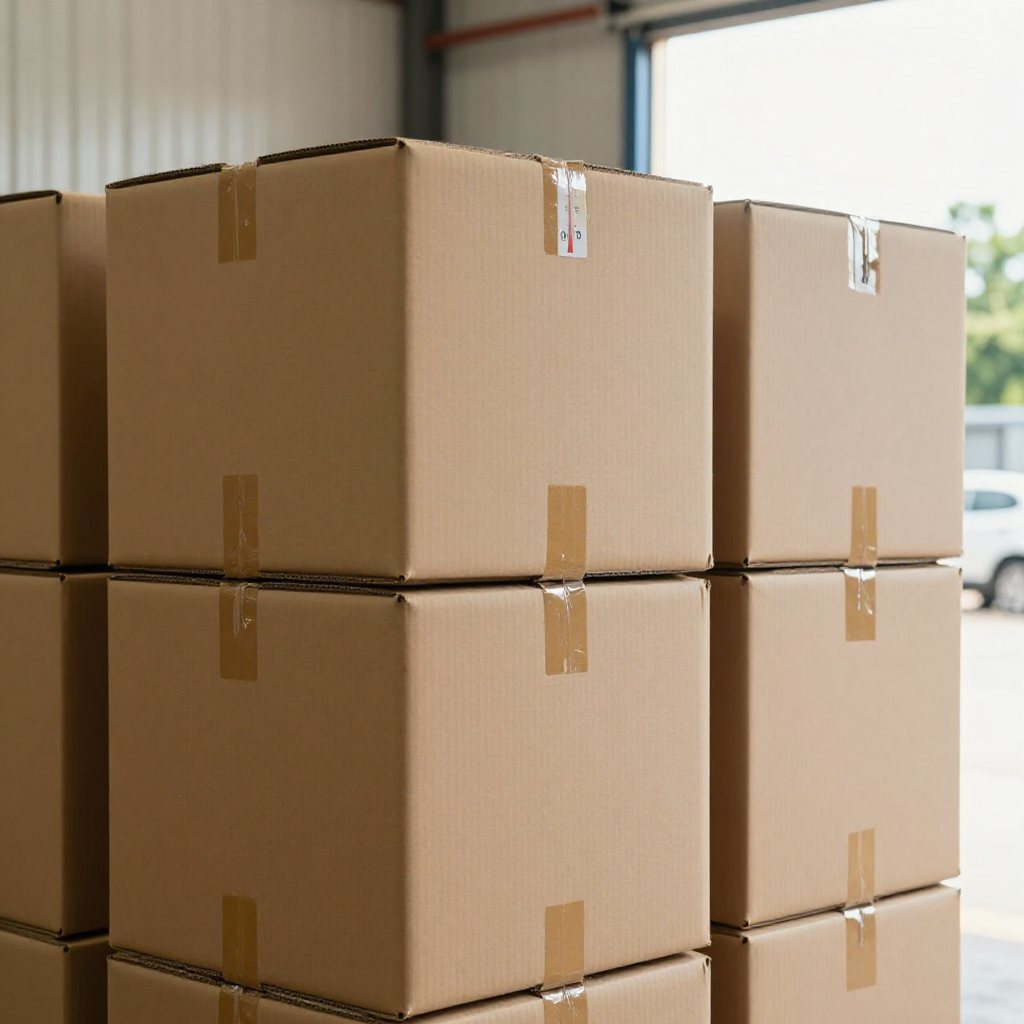
· 40 °C / 75% RH, 4 weeks: simulating the warehouse
· Light testing: simulating semi-outdoor shelving
· Thermal cycling: simulating transport (45 °C by day, 25 °C at night, repeated)
Four things are verified: whether the odour has changed, whether it has separated, how much PDRN activity is retained, and whether the packaging has deformed.
7. Pre-order checklist
· Has the preservative list for the target market been checked? (ASEAN, the Gulf and individual African countries differ widely)
· Is the claims list locked down? (We recommend writing it into the contract)
· Have you obtained the PDRN's "unit activity"? (You cannot make the claim on weight % alone)
· Is the packaging's barrier sufficient? (PET / HDPE + aluminium foil seal)
· Is the registration entity in the target market settled? (Many markets require a local responsible person)
FAQ
Q: Can this formula be taken for registration as it stands?
A: No. What this article gives is concentration windows and compatibility principles, not a registrable formula. Actual registration requires the complete formula, raw-material safety data, stability and microbiological test reports, and submission by the responsible entity in the target market.
Q: Why not give exact ratios?
A: Because exact ratios depend on the specific system, the packaging, the target climate and the cost target. With the same set of concentration windows, change the thickener or the preservation system and the optimum ratio changes.
Q: Is PDRN essential?
A: Not necessarily. It is a differentiating ingredient for high-end private label, costly and demanding on the formula. For orders with a limited budget, the Caffeine + Niacinamide combination is already enough to support a "scalp health" positioning.
Q: Are claims really that strict?
A: Stricter than you think. Over the past two years several markets have issued fines over "anti-hair-loss" claims. And the contract manufacturer carries no liability — the brand does. That is why we draw this line before we quote.
頭皮洗護精華這兩年突然多了起來。東南亞、中東、非洲的客戶都在問,但問的方向不太一樣——有人問「能不能做出來」,有人問「能不能宣稱生髮」。
前一個問題是配方問題,後一個問題是法規問題。兩個都要答對,這單才接得住。
一、熱帶市場的三個變量
同一支精華,在廣州的實驗室裡是穩定的,到了雅加達的倉庫裡可能就分層了。差別在三個變量:
· 溫度:35–45 °C 的倉庫在熱帶很常見。夏天車廂裡能到 50 °C。
· 濕度:常年 75% 以上,瓶子外面凝水,標籤會爛,內容物吸潮。
· 光照:很多市場的貨架是半戶外的,日照直接打在瓶身上。
這三個變量會帶來四個具體後果:油脂析出、體系分層、氣味變酸、活性物降解。其中最後一個最麻煩——因為它不會立刻看得出來。
二、模塊化:基礎體系固定,活性層可選
做私標訂單,最怕的是「每個客戶都要重新做一個配方」。那樣打樣成本會壓垮人。
我們的做法是把配方拆成兩層:
· 基礎層:水相、保濕、載體、增稠、防腐、pH。這一層一旦驗證過,所有訂單共用。
· 活性層:咖啡因、煙酰胺、PDRN 這類。按客戶要求增減,但基礎層不動。
好處是打樣快——基礎層的穩定性數據可以直接引用,不用每次重做加速試驗。
⚠️ 但這裡有一個前提:活性層的增減不能超過基礎層的承受範圍。例如活性物加太多,防腐體系會被稀釋,那就得回頭改基礎層。這個邊界要在配方檔案裡寫清楚。
三、八個核心原料與濃度窗口
以下只給【濃度窗口】,不給精確配比。窗口是行業通行的參考範圍,精確值要看具體體系、包材、目標市場,得打樣確定。
· 咖啡因 Caffeine:0.5–2.0%,常用 1.0–1.5%。作用是刺激頭皮微循環。pH 5.0–6.0 最穩定,pH 越高降解越快。
· 煙酰胺 Niacinamide:2–5%,常用 3–4%。支持頭皮屏障、調節油脂。和咖啡因協同,但遇到高濃度純維 C(L-Ascorbic Acid)會生成煙酸,刺癢、泛黃。
· PDRN(聚脫氧核糖核苷酸):0.001–0.01%,按供應商活性標準換算。這是高端私標才用的原料,成本高,且對配方環境挑剔——強氧化劑會直接讓它失效。
· 薄荷油 Mentha Piperita Oil:0.05–0.2%。清涼感來源。但精油易揮發,高溫下會氧化變味;可以用薄荷醇部分替代,或做封閉體系。
· 迷迭香油 Rosmarinus Officinalis Leaf Oil:0.05–0.3%。抗氧化與舒緩。它本身也容易氧化成過氧化物,所以必須配抗氧化劑。
· 水解膠原/多肽:1–3%,提供潤滑與保濕,也影響整體黏度。
· 甘油 Glycerin:3–6%,基礎保濕與防凍。高濕環境可以適當降低,避免黏膩。
· MCT(辛酸/癸酸三酸甘油酯):2–5%,輕質載體,替代重油脂。這是「清爽不黏膩」的關鍵。
四、pH 與配伍禁忌
整個體系的 pH 目標是 5.0–6.0。這個區間同時滿足咖啡因的穩定性與煙酰胺的耐受性。
三個必須避開的配伍:
· 煙酰胺 + 高濃度純維 C:生成煙酸,刺痛、泛黃。要用就用衍生物(如抗壞血酸葡糖苷)。
· PDRN + 強氧化劑(過氧化氫、過硫酸鹽):活性直接歸零。
· 薄荷油 + 高溫 + 無抗氧化:氧化後氣味從清涼變成油耗味。
五、宣稱邊界 —— 這一節最重要
多個市場(歐盟、東盟、海灣、部分非洲國家)都在收緊「生髮/治脫髮」類宣稱。
可以寫的:
· supports scalp health(支持頭皮健康)
· refreshing / cooling(清爽、清涼)
· helps balance oil(幫助平衡油脂)
· clean-label / free from(配方乾淨、不含某成分)
不能寫的:
· hair growth(生髮)
· anti-hair-loss / prevents hair loss(防脫、治脫髮)
· hair regrowth(頭髮再生)
· 任何暗示「治療」的表述
⚠️ 這條線不只在包裝上,也在詳情頁、客服話術、KOL 帶貨文案上。任何一處越界,被投訴的都是品牌方——代工廠通常不被追責,但這個客戶就沒了。
六、熱帶穩定性測試
常規的加速試驗是 45 °C / 4 週。但熱帶市場建議加一層:
· 40 °C / 75% RH,4 週:模擬倉庫
· 光照測試:模擬半戶外貨架
· 冷熱循環:模擬運輸過程(白天 45 °C、夜間 25 °C,反覆)
驗證四件事:氣味有沒有變、有沒有分層、PDRN 活性保留多少、包材有沒有變形。
七、接單前的檢查清單
· 目標市場的防腐劑名單核對過了嗎?(東盟、海灣、非洲各國差異很大)
· 宣稱清單鎖定了嗎?(建議寫進合同)
· PDRN 的「單位活性」拿到了嗎?(不能只按重量%宣稱)
· 包材的高阻隔性夠嗎?(PET/HDPE + 鋁箔密封)
· 目標市場的備案主體確定了嗎?(很多市場需要本地責任人)
常見問題
Q:這個配方可以直接拿去備案嗎?
A:不能。本文給的是濃度窗口與配伍原則,不是備案配方。實際備案需要完整配方、原料安全資料、穩定性與微生物測試報告,並由目標市場的責任主體提交。
Q:為什麼不給精確配比?
A:因為精確配比取決於具體體系、包材、目標氣候與成本目標。同一組濃度窗口,換一種增稠劑或換一種防腐體系,最佳比例就變了。
Q:PDRN 一定要加嗎?
A:不一定。它是高端私標的差異化原料,成本高、對配方挑剔。預算有限的訂單,用咖啡因 + 煙酰胺的組合已經足夠支撐「頭皮健康」的定位。
Q:宣稱真的這麼嚴嗎?
A:比你想的嚴。過去兩年多個市場對「防脫」類宣稱開過罰單。而且代工廠不擔責,擔責的是品牌方——所以我們在報價前就把這條線說清楚。
Questions about this process?對這道工序有疑問?
Ask us and we will answer in writing, with the batch records to back it up.問我們,我們會以書面回覆,並附上批記錄。