Qiangge's Take: Eighteen Failed Batches and One New Ingredient Certificate, Same Day強哥點評:十八批抽檢與一張新原料證,擺在同一天
NMPA Notice No.42 lists eighteen batches with banned substances; three days later China's first hair dye ingredient is registered. Qiangge starts from the kettle and works through the three lines that matter: banned is not the same as undetectable, an ingredient certificate is not a product certificate, and the delivery date follows both.11 月 19 日簽發的藥監局 42 號通告列出 18 批次檢出禁用原料,11 月 23 日首個染髮類新原料二羥基吲哚獲批註冊。兩張紙擺在同一天,強哥從三號鍋裡的染髮膏基講起:禁用不等於不得檢出,原料證也不等於產品證,配方、工藝、交期三條線各有各的邊界。
Scene 1 · Baiyun, Guangzhou, 24 November 2026, 7:40 a.m.
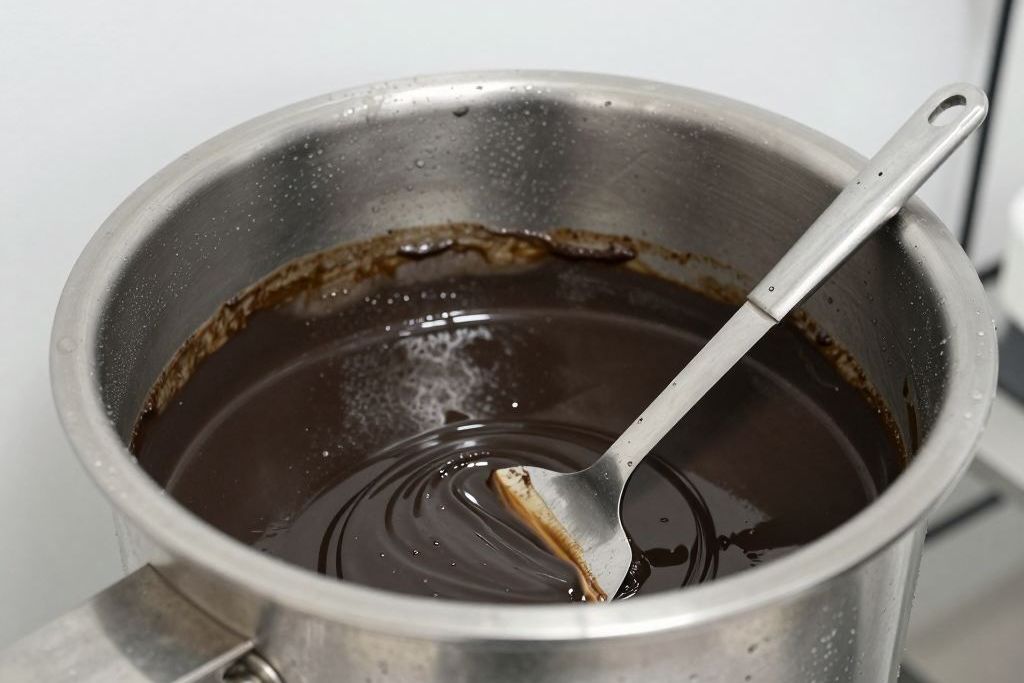
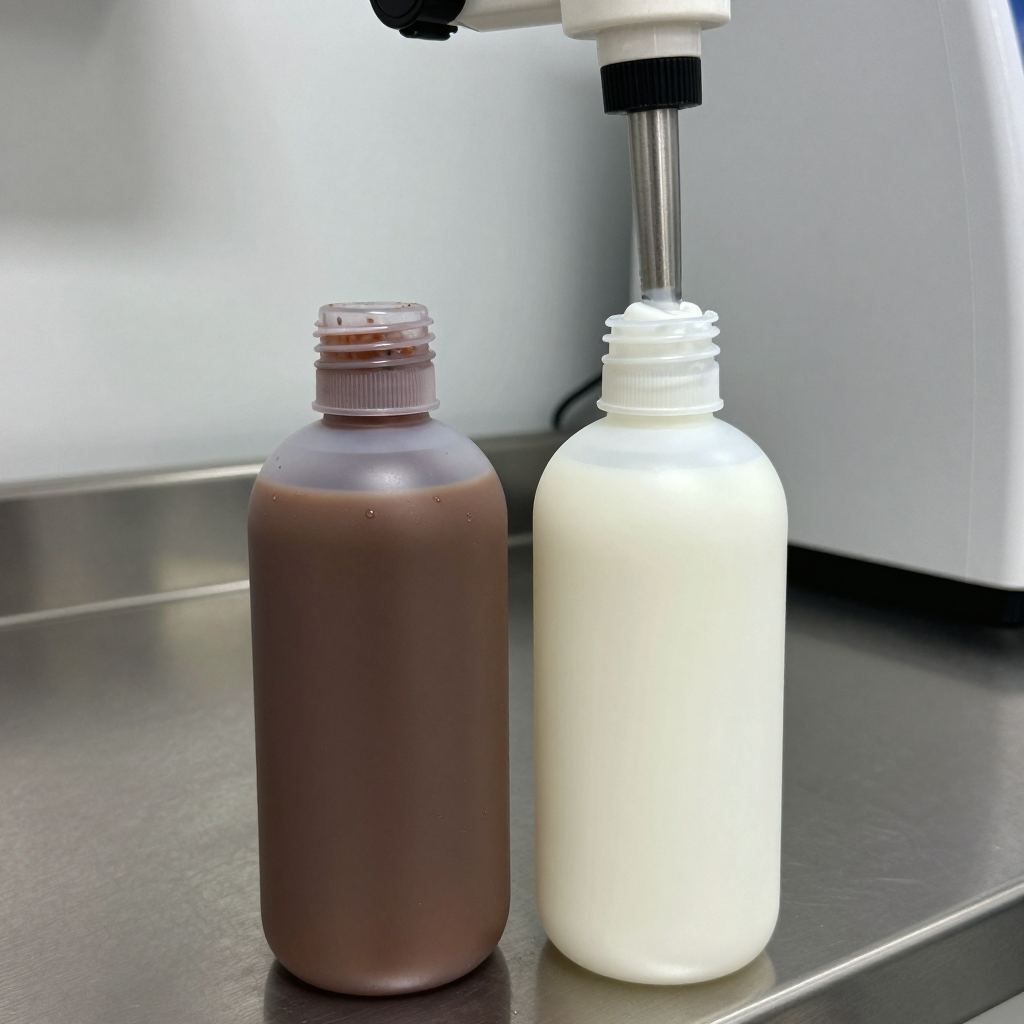
The compounding room door opened at 7:40. The floor had just been hosed down and was still wet. Kettle No.3 held a dark brown hair dye cream base made yesterday afternoon; overnight it had come down to room temperature and the viscosity had climbed since discharge, the spatula lifting out with a thick film on it. I told Xiaolin to run the agitator another ten minutes at low speed. This kind of cream fails on two things: it separates once it cools, and it traps air if you fill it in a hurry, so the bottles start to bulge a week after they are sealed.
He was still holding two sheets of paper. One was NMPA Notice No.42 of 2026, signed on 19 November and posted by the Shanghai bureau this morning: eighteen cosmetic batches tested positive for substances banned under the 2015 Safety and Technical Standards, and authorities in Shanghai, Jiangsu, Zhejiang and Guangdong have opened cases. The other was a new-ingredient registration certificate dated 23 November for dihydroxyindole, registration number 20260002. Put the two sheets side by side and you have the whole picture of this trade today.
Scene 2 · Sample retention room, 24 November 2026, 10 a.m.
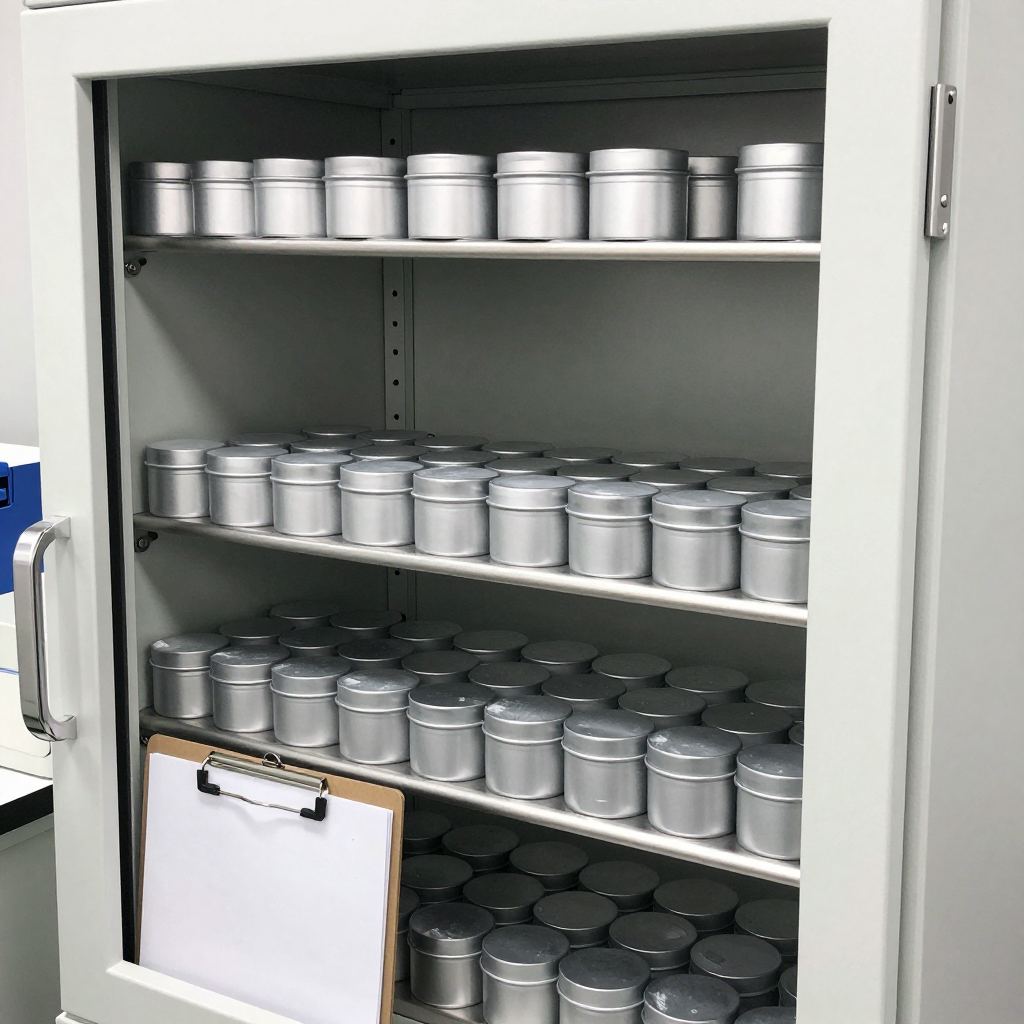
One whole wall of shelving, aluminium tins lined up by batch number. I went through the annex to the notice: the sheet-mask column is glucocorticoids, clobetasol propionate and fluocinolone and that family; the hair dye column is benzene. According to trade press tabulations of the annex, the three hair dyes came in at 6.42, 3.90 and 2.56 mg/kg against a 2 mg/kg limit. Benzene is a Group 1 carcinogen; that part needs no explanation from me.
The other sheet is the new ingredient certificate. Dihydroxyindole is a melanin precursor identical to the one already in the human body. On hair it oxidises slowly in air and darkens on its own, with no hydrogen peroxide partner, which is a different route from the traditional aniline intermediate plus oxidiser system where sensitive scalps get into trouble. It is the first hair dye ingredient approved in China since the Cosmetics Supervision and Administration Regulation took effect in 2021, and the registrant is a Beijing company called Floti.
Kuala Lumpur had news the same day. On 24 November Malaysia's NPRA pulled two products: a cream that tested positive for miconazole and a lotion that tested positive for imazalil. Three stories that look unrelated, sampling in Guangzhou, a new ingredient in Beijing, a ban in Kuala Lumpur, are really one story: the problem always walks in through the raw material door.
Scene 3 · Second-floor meeting room, 24 November 2026, 2 p.m.
Judgement one sits in the formula. Banned does not mean must not be detected, and NMPA said so plainly in its August reading of GB 7916-2026: where a banned substance cannot technically be avoided and enters as an impurity, a limit applies where one exists, and a safety assessment is required where none does. So when we accept raw material, the question is not whether it is there. The question is how much came in, whether it was assessed, and who signed the assessment. That sentence belongs on the receiving form, not on the wall.
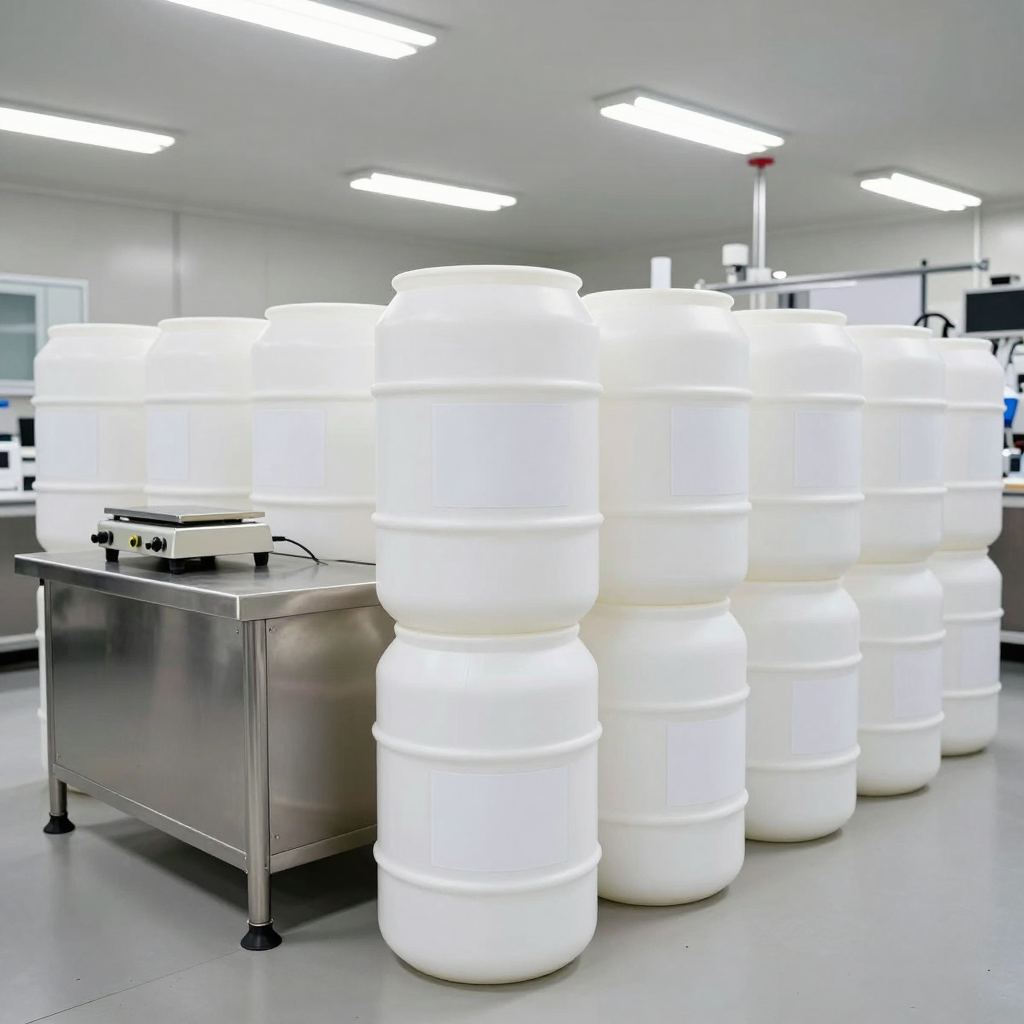
The steroids in those masks were not impurities. Somebody put them in. Are clobetasol and fluocinolone expensive? No. They act fast. The customer says they need to see whitening inside seven days, and the salesperson comes back asking whether the formula can take a little something. I have drawn that line in this plant for ten years: it does not appear on a formula sheet, and the sales team does not type those words into the group chat either. It is not a question of morals. One certificate goes down and the whole line stops with it.
Scene 4 · Compounding room, 24 November 2026, 4 p.m.
Judgement two sits in the process. The benzene in hair dye is usually not added on purpose; it rides in with solvents and dye intermediates. So for solvents and for dye intermediates we demand two documents at the gate: a batch COA and a residual profile. When the filling line changes product, the pipe cleaning has to be validated. Clear water coming out proves nothing about what is sitting on the pipe wall.
Judgement three sits in the claim and the delivery date. An ingredient certificate is not a product certificate. What dihydroxyindole received on 23 November is an ingredient registration; a hair dye is still a special cosmetic and needs its own product registration. During the three-year safety monitoring period, any other company that wants to use the ingredient must obtain a linked confirmation from the registrant. A customer scheduling on ingredient in hand, goods out the door will be late, and not by a few days.
Scene 5 · Factory gate, 24 November 2026, 6 p.m.
One thing to do today, small, ten minutes of work: take out the purchasing acceptance form and add a line. This batch contains no substance banned under the Safety and Technical Standards, and the supplier provides a batch test report and a residual solvent profile with the goods. Then open the claim review sheet, go to the efficacy column, and strike out three days, instantly and completely. Two pieces of paper. No meeting required.
The formula can change, the material can change, the boundary cannot.
Frequently asked questions
Q: The notice says a banned ingredient was detected. Does any detection make it illegal?
A: Not exactly. Where a banned substance cannot technically be avoided and enters as an impurity, a limit applies where one exists, and a safety assessment is required where none does. That is the reading NMPA published for GB 7916-2026. What usually gets a company penalised is deliberate addition, or an over-limit result with no assessment behind it.
Q: Is the benzene in hair dye put there by the formula?
A: Usually not. Benzene typically arrives as residue from solvents and dye intermediates, which is why the residual profile of the raw material and the cleaning validation on the line are what matter. All three hair dyes in Notice No.42 exceeded the 2 mg/kg limit, and that is not something a formula can explain away.
Q: A client wants a hair dye made with dihydroxyindole. Can we schedule production now?
A: Not on an ingredient in hand, goods out the door basis. That is an ingredient registration, not a product registration; a hair dye is a special cosmetic with its own product registration. Use during the three-year monitoring period also requires a linked confirmation from the registrant. Put all three into the timeline or the delivery date collapses at the end.
Q: When we ship a base, do we handle the downstream filing for the client?
A: No. We ship the base. Filing and claims sit with whoever holds the finished-product registration or filing. What we can do is hand over the batch tests, the residual profile and the stability data so the client can file with them. MOQ, price and lead time are confirmed per project.
場景1 · 廣州白雲廠區,2026 年 11 月 24 日早上七點四十
調配間的門七點四十開,地面剛沖過,還濕著。三號鍋裡是昨天下午打的深褐色染髮膏基,過夜降到常溫,黏度比出鍋時高了一截,刮刀挑起來,掛壁掛得厚。我讓小林把攪拌機再走十分鐘低速——這種膏體最怕兩件事:涼了以後分層;急著灌裝把空氣打進去,瓶子封好之後慢慢鼓起來。
他手裡還捏著兩張紙。一張是國家藥監局 2026 年第 42 號通告,11 月 19 日簽發、今天上午上海局掛出來:18 批次化妝品檢出《化妝品安全技術規範(2015 年版)》裡的禁用原料,上海、江蘇、浙江、廣東四地已立案。另一張是 11 月 23 日的新原料註冊證——二羥基吲哚,國妝原注字 20260002。兩張紙擺在一起,才是這一行今天的全貌。
場景2 · 留樣室,2026 年 11 月 24 日上午十點
留樣室一整面架子,鋁罐按批號排。我把通告附件翻了一遍:面膜那一欄是糖皮質激素,氯倍他索乙酸酯、氟輕鬆這一類;染髮膏那一欄是苯。據行業媒體對附件的整理,三款染髮膏檢出的苯是 6.42、3.90、2.56 mg/kg,而限量是 2 mg/kg。苯是 1 類致癌物,這個不用我再解釋。
另一頭是那張新原料證。二羥基吲哚是人體同源的黑色素前體,塗上去在空氣裡慢慢氧化,自己就變黑,不需要跟雙氧水配伍——傳統染髮靠苯胺類中間體加氧化劑在髮絲裡顯色,敏感頭皮的人容易中招。這是 2021 年《化妝品監督管理條例》實施以來國內第一個獲批的染髮類新原料,註冊人是北京芙洛迪。
同一天吉隆坡也有消息:11 月 24 日馬來西亞 NPRA 禁售兩款,一款面霜檢出 miconazole,一款乳液檢出 imazalil。三件事看著不相干——廣州的抽檢、北京的新原料、吉隆坡的禁售——其實是同一件事:問題都出在原料進來的那道門。
場景3 · 二樓會議室,2026 年 11 月 24 日下午兩點
判斷一,落在配方。「禁用」不等於「不得檢出」,這句話藥監局 8 月解讀 GB 7916—2026 時寫得很清楚:技術上無法避免、作為雜質帶入的,有限量就按限量,沒訂限量的要做安全評估。所以我們驗收原料,問的不是「有沒有」,是「帶進來多少、有沒有評估、評估誰簽的字」。這句話寫進驗收單,比貼在牆上管用。
但面膜裡那批激素不是雜質,是有人主動加進去的。氯倍他索、氟輕鬆貴嗎?不貴,見效快。客戶說「七天內要看到白」,業務回頭就問配方能不能加點東西。這條線我在廠裡劃了十年:配方表上不許出現,業務在群裡也不許提這幾個字。不是道德問題——這張證一旦出事,整條線跟著停。
場景4 · 調配間,2026 年 11 月 24 日下午四點
判斷二,落在工藝。染髮膏裡的苯,多半不是配方主動加的,是溶劑和染料中間體帶進來的。所以我們對溶劑、對染料中間體這兩樣,進廠要兩份東西:批檢 COA,還有殘留譜。灌裝線換品種,管道清洗要做驗證,不能只看沖出來的水清不清——水清不代表管壁上沒有。
判斷三,落在法規聲明和交期。新原料證不是產品證。二羥基吲哚 11 月 23 日拿到的是原料註冊,染髮產品本身還是特殊化妝品,要單獨做產品註冊;三年安全監測期裡,別家企業要用這個原料,必須經註冊人關聯確認。客戶排期如果按「原料到手就出貨」算,一定延後,而且不是延幾天。
場景5 · 廠區門口,2026 年 11 月 24 日傍晚六點
今天該做的一件事,很小,十分鐘能做完:把採購驗收單拿出來,加一句——本批原料不得含《化妝品安全技術規範》禁用組分,供應商隨貨提供批檢報告與溶劑殘留譜。再把宣稱審核表翻到功效那一欄,把「三天」「立刻」「徹底」這類詞劃掉。兩張紙,不用開會。
配方能改,原料能換,邊界不能讓。
常見問題
Q:通告說「檢出禁用原料」,是不是只要檢出就不合法?
A:不完全一樣。禁用組分如果在技術上無法避免、作為雜質帶入,有限量的按限量執行,沒訂限量的要提供安全評估——藥監局對 GB 7916—2026 的解讀寫的就是這個口徑。真正被判違法的,大多是主動添加,或者超了限量又拿不出評估。
Q:染髮膏裡的苯是配方加的嗎?
A:多數不是。苯常見於溶劑和染料中間體的殘留,屬於帶入型雜質,所以要看的是原料殘留譜和管道清洗驗證。42 號通告裡三款染髮膏的苯都超過 2 mg/kg,這種超法,靠配方是解釋不過去的。
Q:客戶要用二羥基吲哚做染髮產品,現在能排產嗎?
A:不能按「原料到手就出貨」排。它是原料註冊,不是產品註冊;染髮產品屬特殊化妝品,要單獨完成產品註冊。三年安全監測期內使用,還要經註冊人關聯確認。這三件事排進時間表,交期才不會爛在最後。
Q:半成品基料出貨,要不要替下游處理備案?
A:不替。我們交的是基料,備案與宣稱的責任在持有成品註冊或備案的一方。我們能做的是把批檢、殘留譜、穩定性數據交齊,讓下游拿著這些去申報。MOQ、價格、交期,一律按項目確認。
Questions about this process?對這道工序有疑問?
Ask us and we will answer in writing, with the batch records to back it up.問我們,我們會以書面回覆,並附上批記錄。