
A Drum of White Powder and the Certificate Nobody Could Issue桶裡的白粉,與那張開不出來的自由銷售證
A filling plant in Dong Nai wanted a Certificate of Free Sale before the ship sailed, so she could notify a cleanser powder base. The certificate does not exist for a base. What she actually had to notify was the jar she fills herself.越南客戶要在開船前拿到自由銷售證明,好去通報一款潔面粉基。可基料不是化妝品,這張證根本不存在 —— 真正要通報的是她自己灌裝的那罐成品。
Scene 1 · A filling plant in Bien Hoa, Dong Nai, Tuesday morning
Thao laid two documents on the table before the coffee arrived: a notification form filled in halfway, and a one-page list from her agent of what the dossier still needed. The first line was the Certificate of Free Sale. She had been told the drums would not clear until that certificate arrived, consular legalised, and she wanted a date.
May read the list twice and asked the question that changed the meeting: whose product is this? Not who buys the drums — who puts a finished cosmetic on a shelf in Vietnam with their own name on the notification file. Thao said her plant, her jars, her brand, and then waited for the sentence that told her how much it would cost.
That answer settled half of the problem. A notification in Vietnam is filed by the organisation placing the product on the market, not by the company that supplied the material inside it. If she fills and sells, she is the notifier, and the object she notifies is the powder in her jar, not the powder in our drum.
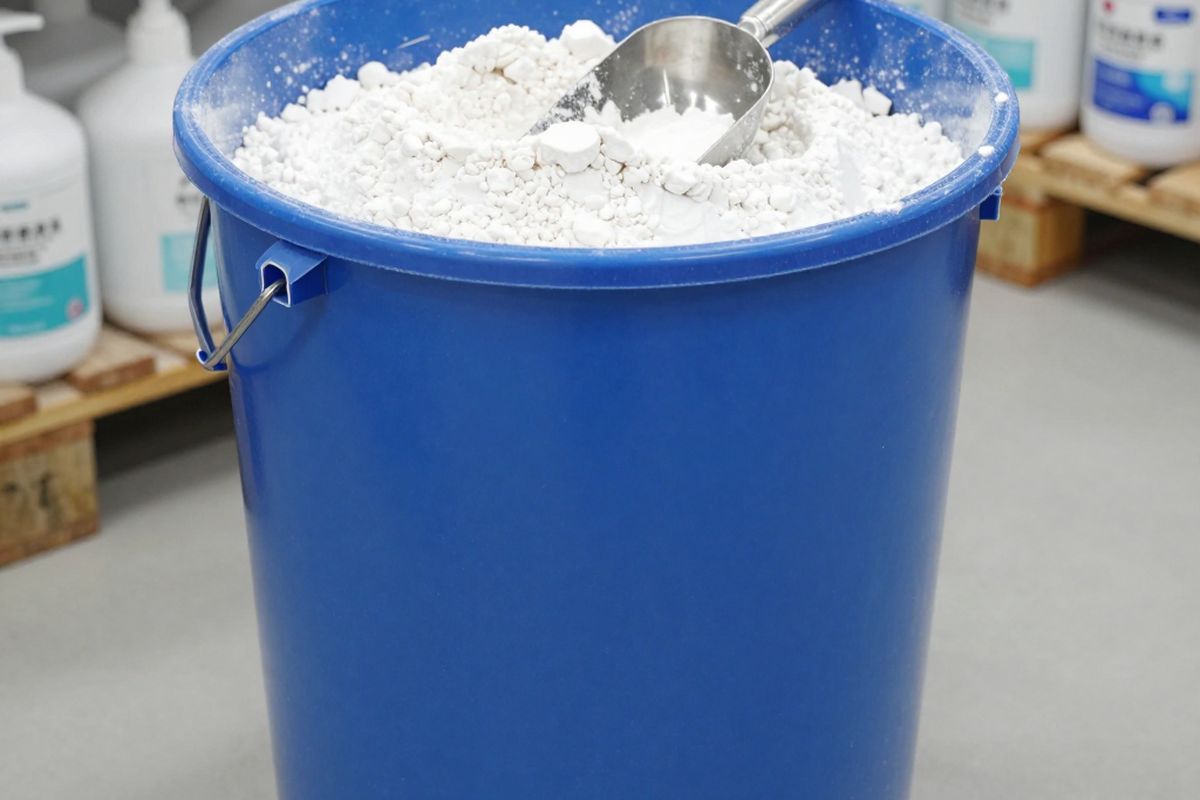
The other half was the certificate, and it was the worse half. A CFS certifies that a cosmetic is manufactured and licensed for free sale in the exporting country. Our drums are not a cosmetic: there is no finished product, no filing number, nothing a competent authority here would sign a free-sale certificate against. We can issue a TDS, a COA, an MSDS and an ingredient map. We cannot issue a certificate that does not exist.
Thao's agent had already invoiced a deposit for the notification. She was not angry so much as tired; this was the third supplier who had told her a different version of the same story. Ethan, who had said nothing for twenty minutes, asked the only question that mattered to the schedule: has anyone told you that a cosmetic made in Vietnam does not need a CFS at all?
The silence lasted long enough for the coffee to go cold. Her plant is in Vietnam, the filling line is in Vietnam, the jar is filled in Vietnam — under the rule her own agent had quoted at her, that is a domestically manufactured cosmetic, and the CFS requirement does not apply. What applies instead is the plant: CGMP-ASEAN conditions, supervision by the provincial health authority, and a formula nobody can quietly change afterwards.
Scene 2 · The blending room in Baiyun, Guangzhou, that afternoon
A powder cleanser base looks like the easiest product in the catalogue and is the hardest to keep boring. There is no emulsion to split, no preservative carrying the load, and no fragrance to hide behind, so every fault shows: a lump, a colour drift, a batch that foams differently from the one before it.
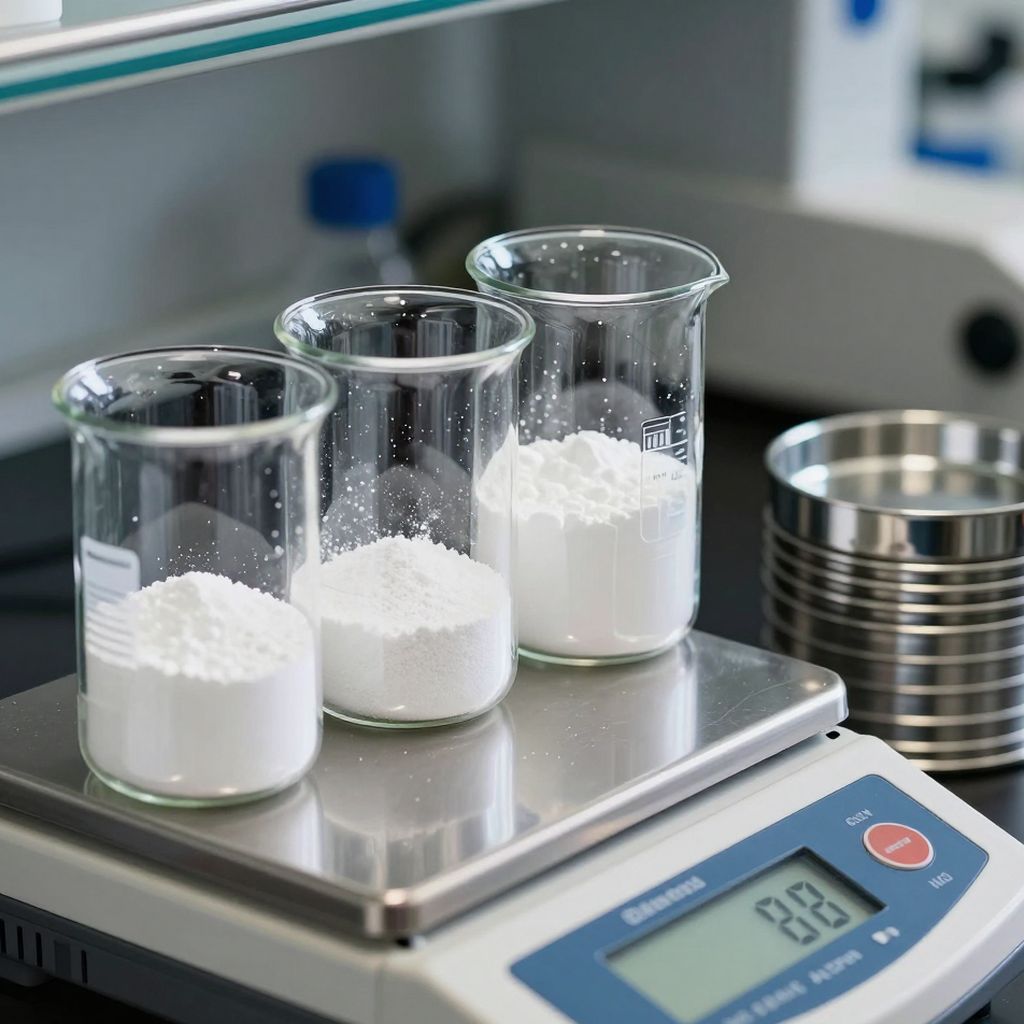
Lin started with the number that governs everything else in powder: water activity. Below a certain value microbes cannot multiply, which is why a powder can be preservative-free and still be safe. Above it, the same powder becomes a slow fermentation experiment in a jar, and the customer blames the formula instead of the warehouse.
Blending is the second problem. A ribbon blender will happily produce a batch that is ninety percent perfect and ten percent uneven, and the uneven part is always the minor ingredients: the surfactant blend, the pH adjuster, the anti-caking agent. Lin samples three positions in the trough and one at the discharge, and refuses the batch if the spread runs wider than the specification allows.
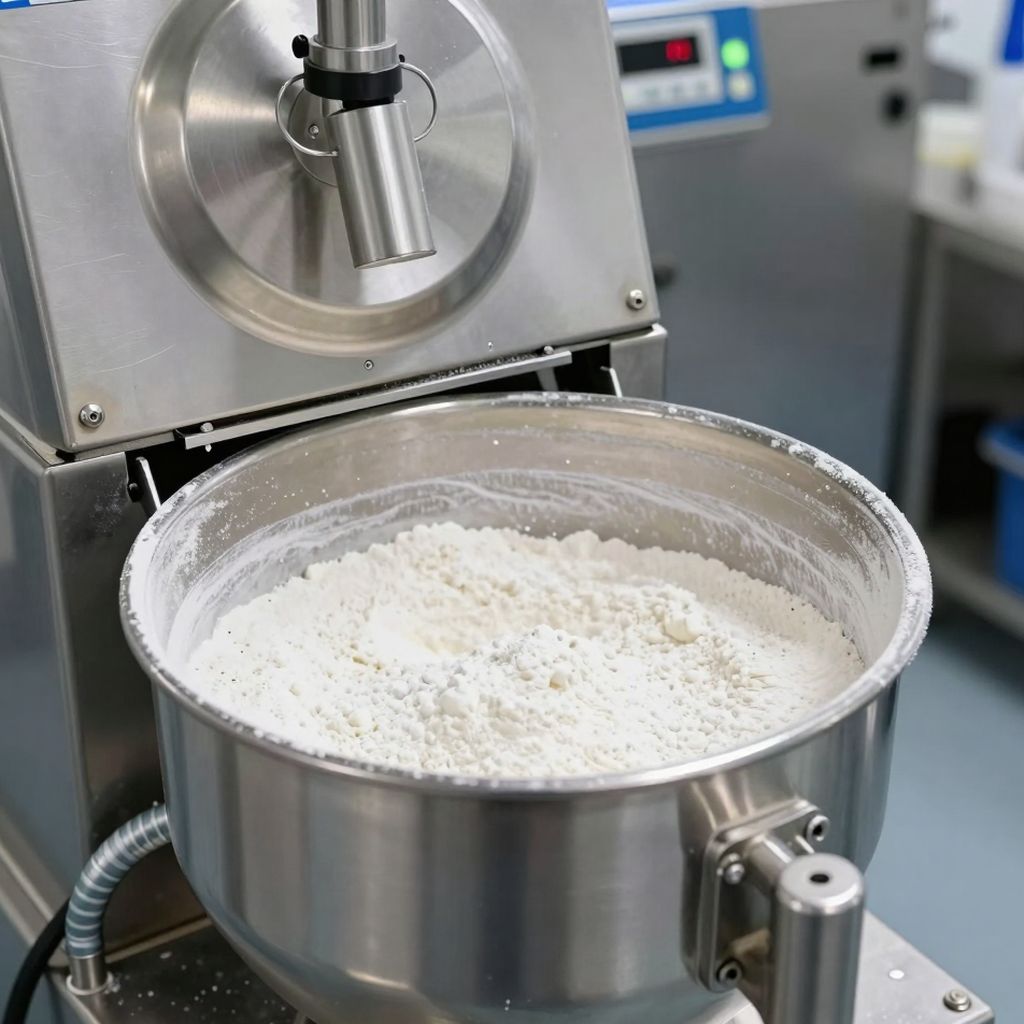
Then the permitted-list question, which is where chemistry meets paperwork. Every anti-caking and flow agent we would like to use has to be checked twice: once against China's inventory of used cosmetic ingredients, once against the ASEAN list the Vietnamese notifier will be judged by. An ingredient that is legal in Guangzhou and missing from the ASEAN annex is not a technical problem. It is a recall waiting for a customs officer.
pH was the argument of the afternoon. A powder cleanser is reconstituted by the user, so the pH that matters is the pH in the palm, not the pH of the powder in the drum. Lin tested at three dilution ratios, drew the curve on the whiteboard and refused to print a single pH figure on the drum. A number on a label is a claim; a curve in a technical sheet is a specification.
So the drum carries six lines and nothing else: product name, batch number, net weight, production date, shelf life, storage condition. Everything else — foam height, dilution curve, water activity, the ingredient map in INCI order — lives in the documents, because documents can be argued with and labels cannot.
Scene 3 · The stability room, three weeks later
Powder does not fail the way cream fails. Cream splits and everyone sees it within a day; powder fails quietly, at the bottom of a drum, in the third week, on the side that faced the wall of the container.
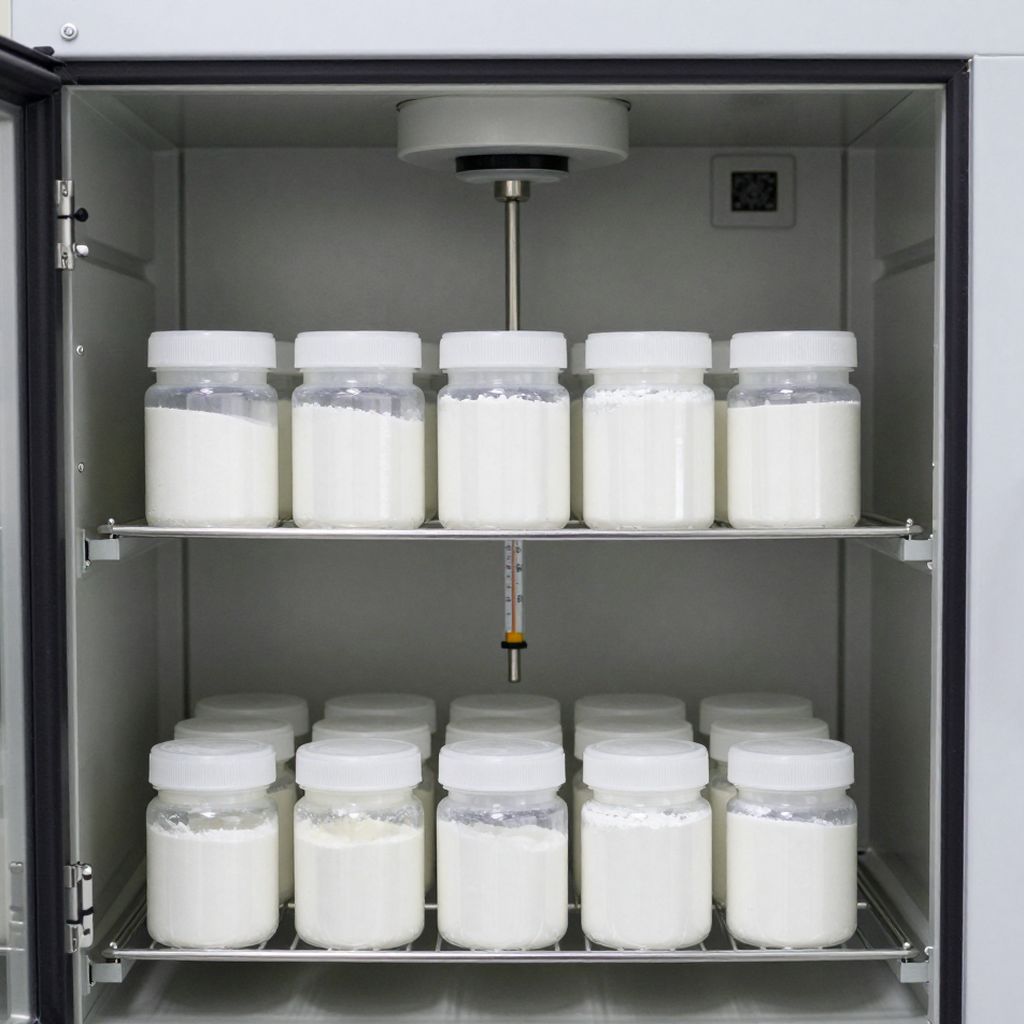
The chamber runs at forty degrees and seventy-five percent relative humidity, which is not a Vietnamese afternoon but is close enough to what a jar sees on a shelf in Binh Duong in May. Three weeks in, Lin opened the door and found what he expected: a crust two centimetres thick under the lid of the open sample, and a free-flowing core underneath it.
That crust is not a formula failure by itself. It is a moisture path: the headspace of the drum breathes with temperature, the liner passes a little vapour, and the surface absorbs it first. The only question is whether the crust stays cosmetic or becomes a brick, and only time answers that.
Two fixes went on the table. Change the liner to an aluminium foil laminate, which costs money on every drum and removes most of the vapour path. Or change the powder — coarser granulation, a different binder, more anti-caking — which changes how it dissolves in the customer's hand and how it feels on the face.
Ethan took the liner and one batch of re-blending, and refused the third option her purchasing team had asked for: a drum with a wider mouth so the line could scoop faster. A wider mouth is a bigger breathing hole. The minutes saved at filling would have been paid for on the shelf, and paid for by her, not by us.
The cost of that decision was concrete: one batch re-blended, the first shipment pushed back, and a specification rewritten so that the liner is part of the product rather than part of the packaging. Nobody puts a liner in a marketing photograph. It is the reason the photograph still looks like powder a year later.
Scene 4 · A call from the forwarder, five days before sailing
The forwarder's call was about documents, which is usually about money. Form E for the ASEAN-China tariff route, the commercial invoice, the packing list, the COA per batch, and one line nobody had prepared for: the tariff classification of a cosmetic base that is not a cosmetic.
This is where the story turns on a code rather than a regulation. Declared as a finished cosmetic, the drums invite an import file for cosmetics that Vietnam would refuse, because the product is not notified and cannot be — there is no finished product to notify. Declared as the raw material it actually is, the file is a material file, and the obligation moves to the plant that turns it into a product.
May put the classification question to the forwarder in writing instead of answering it on the phone, because a phone answer becomes a verbal ruling and a written question becomes a record. The reply took two days and confirmed the reading we had argued for: material declaration, material documents, no free-sale certificate attached.
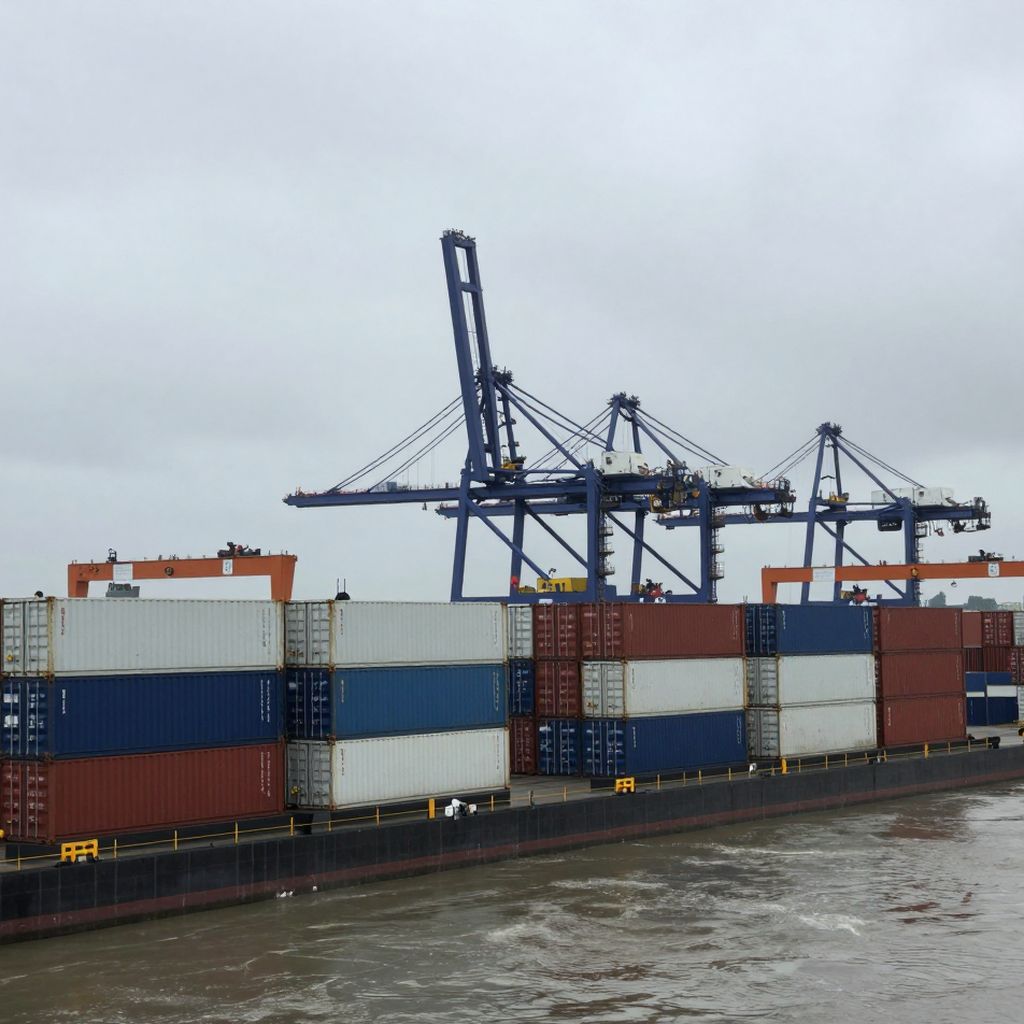
The remaining risk was physical. The ship was loading in the last week of the monsoon, and a container closed up wet in Cat Lai arrives with condensation on the ceiling and a drip line down the load. Lin added one instruction that has nothing to do with chemistry: desiccant bags on the floor, not on top of the drums, and photograph the inside of the container before it is sealed.
A timestamped photograph is the cheapest insurance in the export business. When a customer opens a container and finds stained cartons, the question is always whether the water came from the sea or from the factory, and a picture of a dry floor with a time on it closes that argument before it starts.
The drums sailed on the Friday. The notification file, meanwhile, had been rewritten from scratch — not for the drums, for the jars — and it was going to take longer than the ship. That is the normal order of things: the cargo moves at the speed of freight and the paperwork moves at the speed of an office.
Scene 5 · Thao's warehouse in Binh Duong, two weeks after delivery
The complaint arrived as a photograph: a clear plastic jar of powder held up to a window, with a hard white disc visible under the lid. Three weeks on her shelf, in a jar she had chosen because it showed the product, with no desiccant, in a warehouse that opens its shutters at seven and closes them at six.
Lin asked for two things before he would discuss a cause: the water activity of the sample in that jar, and the humidity log of her warehouse. She had the first within a day and did not have the second at all, which was already the answer to why the powder had crusted.
The uncomfortable part of the conversation was not technical. Our drum left with a specification that named the storage condition and the liner; her jar broke the first and replaced the second with thin plastic. A supplier can write the conditions down. A supplier cannot enforce them inside someone else's building.
What we sent back was unglamorous and it worked: a reconstitution test. Weigh the crust, add water at the labelled ratio, stir for the same time, measure foam and pH. The crusted product still met the foam specification and failed the pH one, which told her the top two centimetres of every jar had to be treated as a different product from the rest.
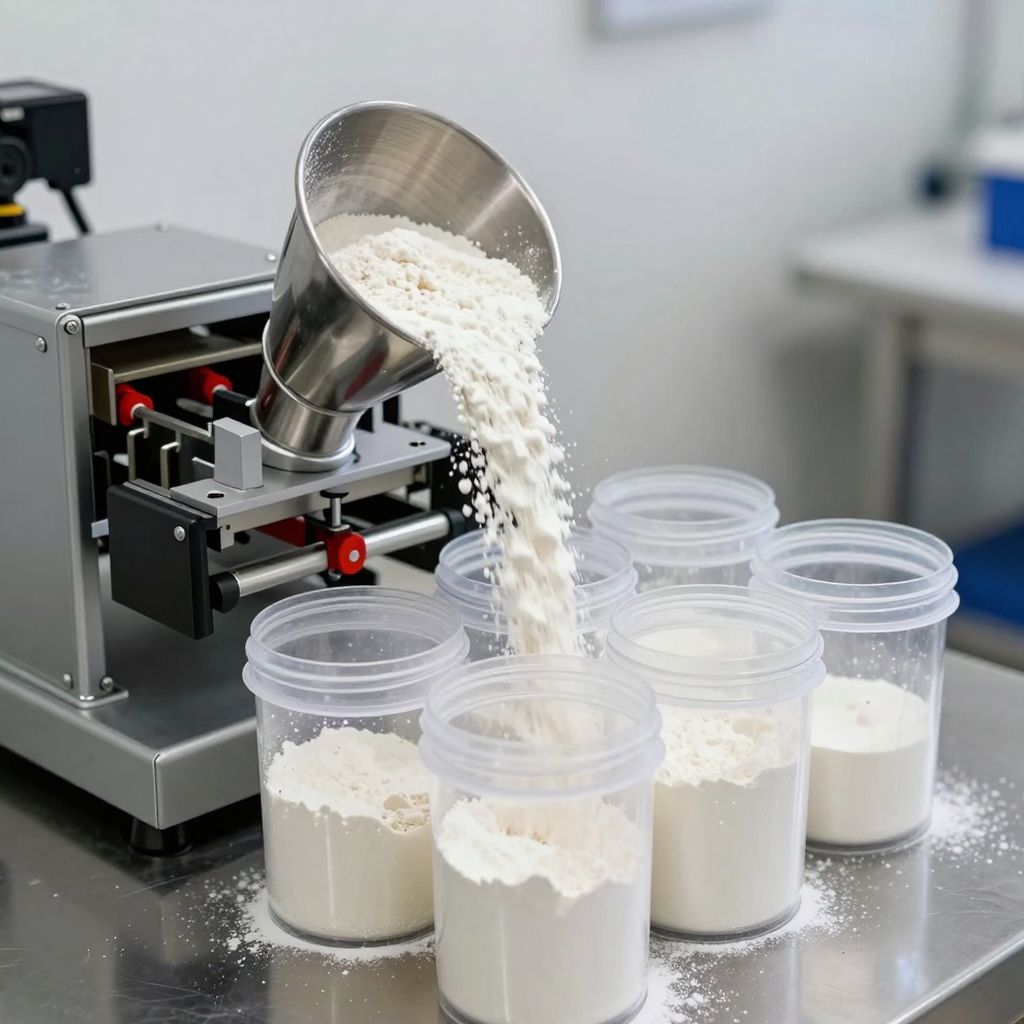
The fix on her side cost less than the argument: opaque jars, a desiccant sachet in the headspace, and a first-in-first-out rule so the oldest drums stopped sitting through a second monsoon. On our side, one change: the technical sheet now prints the storage condition in bold, and the packing list carries a line saying the liner is part of the specification, not part of the price.
She kept the order, and the second container left with fewer arguments attached to it than the first. In this business that is what a good outcome looks like: not a customer who was proved wrong, but a customer whose next shipment costs less to explain.
Scene 6 · The notification, two months later
The notification number came through in the eighth week, filed by Thao's company, for her jars, against her formula. Under the published guidance it holds for five years and it dies the moment the formula changes — which is why the last thing we sent her was not a drum but a frozen formula version and an ingredient map in INCI order.
Two things about that number are worth writing down. It belongs to her and not to us, and it can be withdrawn if the file turns out to describe a product that is not what is actually on the shelf. The other is that it never covered our drums at all, and never needed to.
The marketing side of the file was the quiet trap. Claims in the dossier are judged against the applicable claim guideline, and the words a Vietnamese brand wants on a jar — brightening, oil control, gentle enough for daily use — are not all equally defensible. May's rule is blunt: if a claim cannot be supported by the finished product's own test data, it does not go into the file, because the file outlives the campaign.
Ethan's summary at the end of the call was shorter than the meeting that started it. A base is a material: it carries a specification, a batch record and a storage condition, and it carries no claims and no notification. A finished cosmetic is a legal object in the country where it is sold: it carries a notifier, a number, a formula version, and a shelf life an inspector can check.
The mistake that costs the most is not getting the chemistry wrong. It is asking a supplier for a certificate that certifies something the supplier does not make, and losing three weeks finding out that the document was never the obstacle. The obstacle was the shape of the product.
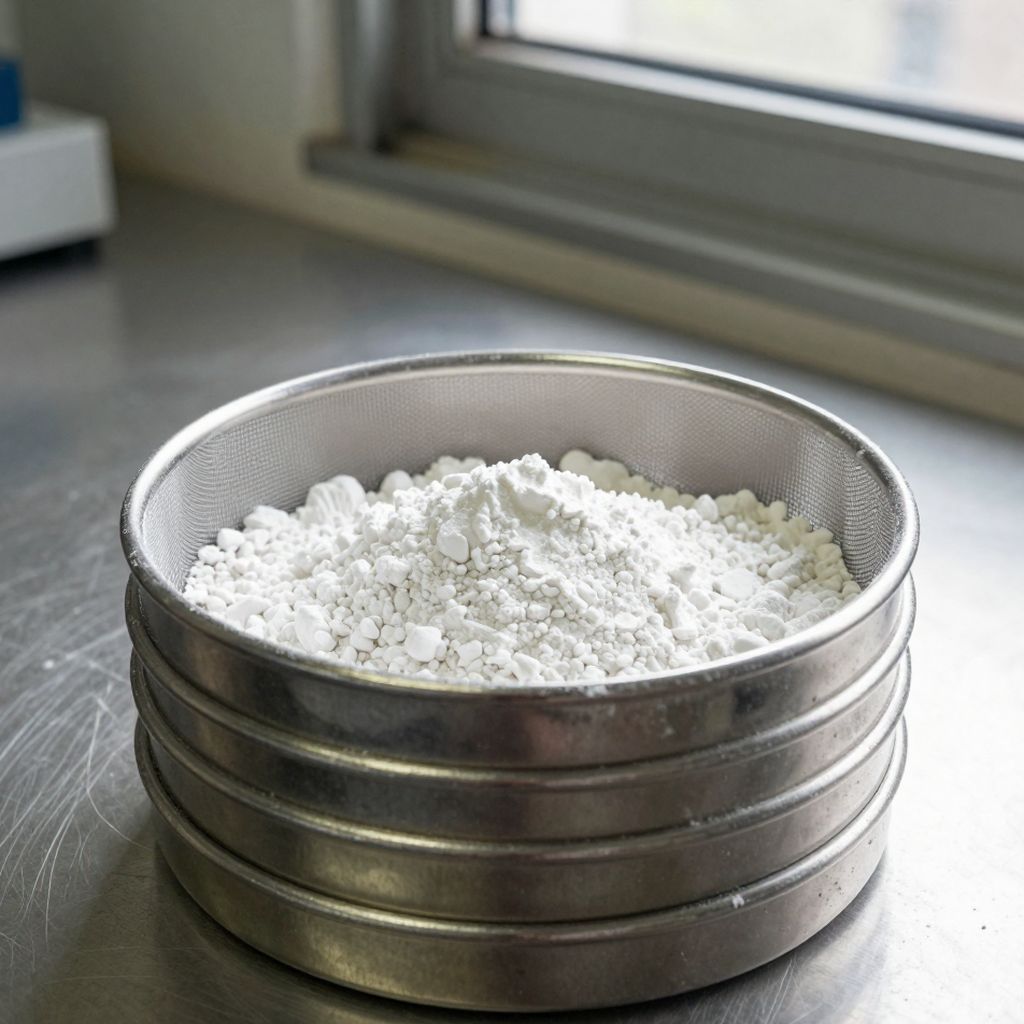
The drums are in her plant now and the jars are on shelves in Ho Chi Minh City. The white powder in both is the same powder. What sits between them is a piece of paper that neither of us could have written alone, and that is the whole reason a base is sold as a base.
Common questions
Q: Does a bulk base need a cosmetic notification number in Vietnam?
A: No. Notification attaches to a finished cosmetic placed on the Vietnamese market and is filed by the Vietnamese organisation responsible for that product. A base imported as material has no product to notify; the notifier is the company whose name is on the jar, which in this case was the customer.
Q: Is a Certificate of Free Sale required, and who can issue it?
A: For imported finished cosmetics it is mandatory: it must be valid, and consularly legalised unless an exemption applies. It is issued by the competent authority of the exporting country and it certifies a cosmetic licensed for free sale — which is why it cannot be issued for an intermediate. Vietnam has applied the Apostille Convention since September 2026, but the cosmetics rules still refer to consular legalisation, so confirm the accepted form with the authority first.
Q: If the product is filled locally, is a CFS needed at all?
A: No. Domestically manufactured cosmetics are notified without a CFS. What replaces the certificate is the plant: CGMP-ASEAN conditions and supervision by the provincial health authority, instead of the national drug administration that handles imports.
Q: Can the drum carry claims such as pH balanced or preservative free?
A: No. A base carries six lines — product name, batch, net weight, production date, shelf life, storage condition — and no claims. Claims belong to the finished product and to its dossier, where they are judged against the applicable guideline and must be supported by the finished product's own data.
Q: What does a powder base actually get tested for?
A: Water activity, blending uniformity across the batch, particle size and flow, pH at the dilution ratios the user will really apply, micro counts against the tighter limits now coming into force, and caking at forty degrees and seventy-five percent relative humidity. The last one decides the liner, and the liner is part of the specification.
場景1 · 同奈邊和的灌裝廠,週二上午
咖啡還沒上來,Thảo 就把兩份文件攤在桌上:一份填到一半的通報表,和一頁她代理列的清單,寫著卷宗還缺什麼。第一行是自由銷售證明。有人告訴她,證不到、沒做領事認證,桶就別想清關,她要一個日期。
May 把清單讀了兩遍,問了一句把會開歪的話:這是誰的產品?不是誰買桶,是誰把一罐成品放上越南的貨架、通報卷宗上寫誰的名字。Thảo 說,她的廠、她的罐、她的牌子,然後等著聽要付多少錢。
這個答案解決了一半。越南的通報,是由「把產品放上市場」的那家公司去報,不是由提供內容物的供應商去報。她灌裝、她賣,那通報人就是她;被通報的對象是她罐裡的粉,不是我們桶裡的粉。
另一半是那張證,也是更難的一半。自由銷售證明證明的是「一款化妝品在出口國已生產並獲准自由銷售」。我們的桶不是化妝品:沒有成品、沒有備案號,這裡沒有任何主管機關會對著它簽一張自由銷售證明。技術數據表、檢驗報告、安全數據表、成分對表,我們都出;一張不存在的證,出不了。
Thảo 的代理已經開了一筆通報訂金。她與其說生氣,不如說累:同一個故事,這是第三家供應商講給她聽的第三個版本。沉默了二十分鐘的強哥問了唯一跟工期有關的問題:有沒有人告訴過妳,越南本地生產的化妝品,通報時根本不需要這張證?
沉默長到咖啡都涼了。廠在越南、灌裝線在越南、罐也在越南灌的 —— 按她代理自己引的那條規則,這就是本地生產的化妝品,自由銷售證明的規定不適用。適用的換成工廠:CGMP-ASEAN 的條件、省衛生廳的監管,以及一份之後誰都不能偷偷改掉的配方。
場景2 · 廣州白雲的混合間,當天下午
潔面粉基看目錄像最簡單的一款,實際上最難做到「一直很無聊」。沒有乳狀液會分層、沒有防腐劑在扛、沒有香精可以遮,所以每個毛病都露在外面:一個結塊、一次色差、一批泡沫跟前一批不一樣。
小林從粉末裡最要緊的那個數講起:水活度。低於某個值,微生物沒法繁殖,這才是粉末可以不加防腐劑還安全的原因。高於那個值,同一批粉在罐子裡就變成緩慢發酵的實驗,而客戶會怪配方,不會怪倉庫。
第二個問題是混合。槳葉混合機會很高興地做出一批「九成完美、一成不勻」的料,而不勻的永遠是那些少量成分:表面活性劑複配、pH 調節劑、抗結塊劑。小林的規矩是槽內取三點、出料口取一點,離散度超出規格就整批不認。
接著是准用清單,化學在這裡撞上文件。每一個想用的抗結塊劑、流動助劑都要查兩次:一次對中國已使用化妝品原料目錄,一次對越南通報人會被拿來核的 ASEAN 清單。在廣州合法、在東盟附件裡查不到的成分,不是技術問題,是等一個海關關員來引爆的召回。
下午吵的是 pH。潔面粉是用的人自己加水調的,所以真正要緊的是掌心裡那個 pH,不是桶裡那撮粉的 pH。小林按三個稀釋比例測,把曲線畫在白板上,然後拒絕在桶上印任何一個 pH 數字。標籤上的數字叫宣稱,技術表裡的曲線才叫規格。
所以桶上只有六行,別的一個字都不加:品名、批號、淨重、生產日期、保質期、儲存條件。其餘的 —— 泡沫高度、稀釋曲線、水活度、按 INCI 排序的成分對表 —— 全部活在文件裡。文件可以據理力爭,標籤不能。
場景3 · 穩定性室,三週後
粉末出問題的方式跟膏體不一樣。膏體分層,一天之內所有人都看見;粉末是安靜地壞,在桶底、在第三週、在靠著貨櫃壁的那一面。
恆溫恆濕箱跑四十度、百分之七十五相對濕度,不是越南的下午,但離五月平陽貨架上那罐粉看到的環境夠近了。第三週開門,小林看到的跟預期一樣:敞口樣品蓋下兩公分厚的硬殼,底下的芯還是鬆的。
那層殼本身不算配方失敗。它是一條水氣通道:桶裡的頂空隨溫度呼吸,內襯放過去一點水蒸氣,表面先吸。唯一的問題是這層殼最後只是難看,還是變成磚頭,只有時間能回答。
桌上有兩個方案。一是把內襯換成鋁箔複合膜,每隻桶都多花錢,但把大半條水氣通道拆掉。二是改粉體 —— 粗一點的造粒、換黏合劑、多加抗結塊 —— 代價是它在客戶手裡溶得快慢、上臉的感覺都跟著變。
強哥要了內襯加一批重混,拒絕了她採購團隊提的第三個方案:把桶口開大,讓產線舀得快些。桶口大就是呼吸孔大。灌裝時省下的那幾分鐘,會在貨架上還回去,而且還是她自己還。
這個決定的代價很具體:一批重混、首批推遲,規格書重寫到把內襯寫成產品的一部分,而不是包裝的一部分。沒有人會把內襯拍進宣傳照。可一年之後那張宣傳照裡還是粉、不是磚,靠的就是它。
場景4 · 貨代打來的電話,開船前五天
貨代打來講的是文件,而文件通常就是錢。東盟—中國自貿協定那條通道要的 Form E、商業發票、裝箱單、逐批檢驗報告,還有一行沒人準備過的:一款「不是化妝品的化妝品基料」,稅則歸哪一類。
故事在這裡拐到一個稅則號上,不是法規上。報成成品化妝品,這批桶就招來一套越南一定會退的化妝品進口卷宗,因為產品沒通報、也不可能通報 —— 沒有成品可以通報。報成它本來就是的原料,那就是一套原料卷宗,義務移轉到把原料變成產品的那家工廠。
May 把歸類問題用書面發給貨代,沒在電話裡答,因為電話裡的答覆會變成長官的口頭裁定,而書面提問會變成紀錄。兩天後回覆,確認了我們的主張:按原料申報、附原料文件、不附自由銷售證明。
剩下的風險是物理的。裝船排在雨季最後一週,在吉萊港濕著封櫃,到港就是櫃頂凝水、沿著貨堆往下滴一條線。小林加了一條跟化學無關的指令:乾燥劑放地板,不要壓在桶頂;封櫃前把櫃內拍下來。
帶時間戳的照片是出口生意裡最便宜的保險。客戶開櫃看到紙箱有水痕,問題永遠是「水從海上來還是從廠裡來」,一張有時間的乾地板照片,能在這場爭論開始之前就把它關掉。
桶在星期五上了船。那份通報卷宗則是從頭重做了一遍 —— 不是為桶,是為罐 —— 而且要花的時間比船還長。這才是常態:貨走的是運費的速度,文件走的是辦公室的速度。
場景5 · Thảo 在平陽的倉庫,到貨兩週後
投訴是一張照片來的:一罐透明塑膠瓶裝的粉舉在窗邊,蓋下看得見一圈硬白的圓片。在她貨架上放了三週,用的是她自己挑的透明罐 —— 因為透明看得見產品 —— 沒放乾燥劑,倉庫早上七點開鐵門、傍晚六點關。
小林在談原因之前只要兩樣:那罐樣品的水活度,和她倉庫的濕度記錄。第一樣一天就有了,第二樣完全沒有 —— 這本身就是粉為什麼會結殼的答案。
這場對話難受的地方不在技術。我們的桶出廠時,規格上寫明了儲存條件和內襯;她的罐子破了第一條,還把第二條換成了薄塑膠。供應商可以把條件寫下來,但沒有辦法在別人的廠房裡執行它。
我們寄回去的東西很不體面,但有效:一個復水測試。稱硬殼、按標示比例加水、同一個時間攪、量泡沫和 pH。結殼那部分泡沫還合格、pH 不合格 —— 這告訴她,每一罐最上面兩公分要當成另一個產品來對待。
她那邊的修法比爭論便宜:不透明罐、頂空放一包乾燥劑、先進先出,讓最老的桶不再熬第二個雨季。我們這邊只改一處:技術表把儲存條件印成粗體,裝箱單加一行 —— 內襯屬於規格,不屬於價格。
她續了單,第二個櫃走的時候,附在它身上的爭論比第一個少。在這一行,好的結果長這樣:不是證明客戶錯了,而是客戶下一批貨需要解釋的地方變少了。
場景6 · 那張通報,兩個月後
通報號在第八週下來,報的人是 Thảo 的公司,報的對象是她的罐、她的配方。按公開的指引,它有效五年,配方一改就作廢 —— 所以我們最後寄給她的不是一桶貨,是一份凍結的配方版本,和一張按 INCI 排序的成分對表。
關於那個號碼,有兩件事值得寫下來。第一,它屬於她,不屬於我們,而且如果卷宗描述的產品跟貨架上實際的東西不符,它可以被撤。第二,它從來沒有覆蓋我們的桶,也從來不需要覆蓋。
卷宗裡最容易踩的是宣傳那一塊。通報裡的宣稱要對照適用的宣稱指引來判斷,而越南品牌想印在罐上的那些詞 —— 提亮、控油、溫和到可以天天用 —— 不是每一句都同樣站得住。May 的規矩很直:宣稱拿不出成品自己的測試數據,就不進卷宗,因為卷宗活得比一輪推廣長。
強哥在電話最後的總結,比開場那場會還短。基料是原料:帶規格、帶批記錄、帶儲存條件,不帶宣稱、不帶通報。成品是它在哪個國家賣就在哪裡成立的法律物件:帶通報人、帶號碼、帶配方版本,帶一個稽查員查得到的保質期。
代價最大的錯,不是化學做錯,而是向供應商要一張「證明他根本沒生產的東西」的證,然後花三週才發現文件從來不是障礙。障礙是產品的形狀。
桶現在在她的廠裡,罐已經上到胡志明市的貨架。兩邊的白粉是同一種粉。隔在中間的是一張紙,那張紙我們誰也寫不出來 —— 這就是基料為什麼要當基料賣的全部理由。
常見問題
Q:散裝基料在越南需要化妝品通報號嗎?
A:不需要。通報附在「放上越南市場的成品化妝品」上,由對那個產品負責的越南機構提交。以原料身分進口的基料沒有產品可通報;通報人是罐上寫名字的那家公司,這一單裡是客戶。
Q:自由銷售證明是必須的嗎?誰能開?
A:進口成品化妝品是必須的:證要在有效期內,除條約豁免外還要領事認證。它由出口國主管機關簽發,證明一款化妝品已獲准自由銷售 —— 所以開不給中間體。越南自 2026 年 9 月起適用海牙認證公約,但化妝品的規定仍寫領事認證,用之前先跟主管機關確認接受哪一種。
Q:如果在當地灌裝,還需要這張證嗎?
A:不需要。本地生產的化妝品通報時不附自由銷售證明。替代它的是工廠本身:CGMP-ASEAN 的條件與省衛生廳的監管,而不是管進口的國家藥品管理局。
Q:桶上可以印「弱酸性」「無防腐劑」這類話嗎?
A:不行。基料的桶只有六行:品名、批號、淨重、生產日期、保質期、儲存條件,沒有任何宣稱。宣稱屬於成品和它的卷宗,在那裡要對照適用指引判斷,並且必須有成品自己的數據支撐。
Q:粉末基料到底測什麼?
A:水活度、整批混合均勻度、粒徑與流動性、使用者實際稀釋比例下的 pH、對照正在收緊的微生物限值做的菌落計數,以及四十度、百分之七十五相對濕度下的結塊。最後一項決定內襯,而內襯屬於規格。
Questions about this process?對這道工序有疑問?
Ask us and we will answer in writing, with the batch records to back it up.問我們,我們會以書面回覆,並附上批記錄。