
Qiangge's Take: Three Papers on One Bench強哥點評:三張紙壓在同一天
GACC Announcement No. 162, issued 23 November and effective 1 December, makes code 616 and a filing number mandatory on the export declaration and ties import labels to the filed draft. The same day Health Canada pushed PHMB out of sprays; on 24 November a Kerala lab slip read 12,500 ppm mercury against a 1 ppm limit. Qiangge starts from the declaration that came back.11 月 23 日海關總署 162 號公告:12 月 1 日起,出口報檢要選「616-化妝品生產許可證」並填生產企業與許可證號,商品要填註冊或備案編號;進口中文標籤須與備案平台樣稿一致。同一天,加拿大把 PHMB 趕出噴霧配方;11 月 24 日,印度喀拉拉邦一張化驗單查出汞 12,500 ppm。強哥從報關行退回來的那張單子講起。
Scene 1 · Baiyun District, Guangzhou, 24 November 2026, 8 a.m.
The customs broker's email was in the inbox before I had unlocked the office: two export declarations sent back for correction, both cosmetics, both out of this yard. Not rejected — returned, which is worse, because a return means the container sits and the clock keeps running. I have shipped cream base out of this gate for years and the paperwork used to be a formality. This morning it read like a checklist I had never seen before.
The clerk explained it on the phone in one flat sentence: from 1 December, on the export inspection application, the company qualification field has to carry code 616, cosmetic production licence, with the manufacturer's name and licence number; and the product qualification field has to carry the registration or filing number issued on the NMPA platform. He said it as though it were nothing. I wrote 616 on the corner of a carton and looked at it for a while.
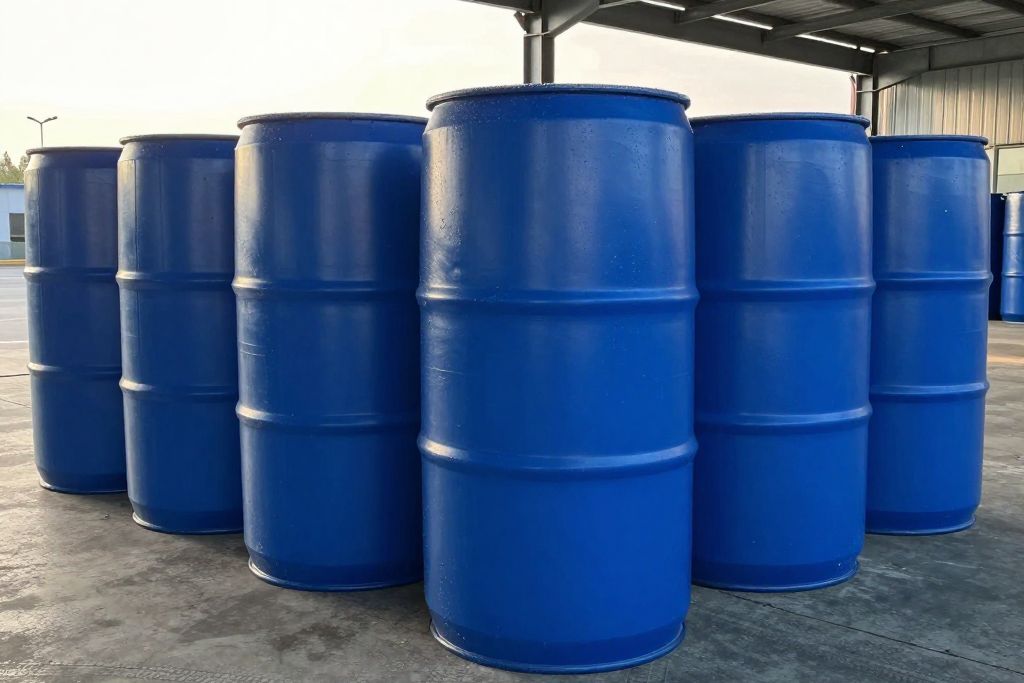
Both filling lines in the yard were still running, drums of white cream coming off the belt one after another, the capper audible through the window. A plant can keep running while the paperwork does not leave the gate, and on a morning like this the problem is never the formula, it is the paper. I turned the rejection notice to its second page: it said only "product qualification not filled", five words, and they rearranged the whole morning.
Scene 2 · Sample room, second floor, 10 a.m.
May had three papers laid out on the stainless bench, squared to the edge the way she does. The first was the customs announcement itself — General Administration of Customs Announcement No. 162 of 2026, issued 23 November, effective 1 December. The second was Health Canada's November update to its Cosmetic Ingredient Hotlist, announced 23 November. The third was a page she had printed from an Indian newspaper dated 24 November. Three countries, three papers, seventy-two hours.
The customs text is short if you read it slowly. Chinese labels on imported cosmetics must match the product label draft filed on the NMPA platform. Imported duty-free cosmetics are exempt from affixing a Chinese label — Hainan offshore duty-free excepted. Cross-border e-commerce retail imports follow their own provisions. On the export side, the manufacturer or its agent fills the 616 production licence with the factory name and licence number, and the product's registration or filing number. Where older customs provisions disagree, this one governs.
On the import side there is another layer. A label is not something you write and print; it has to match the draft filed on the platform word for word — font size, ingredient order, where the warnings sit. One character off counts as inconsistent. On the same day GACC Order No. 284 took effect, replacing the older inspection measures. Two documents landing together, and the broker's clerks have started asking us for the label PDF.
Scene 3 · Meeting room, 2 p.m.
Canada is the paper that costs us money this week. On 23 November Health Canada added three entries to the restricted list: Basic Violet 4, Basic Blue 7, and polyaminopropyl biguanide. PHMB is not permitted at all in spray or aerosol formulations — the stated reason is lung function, from inhaling mist — and other topically applied products are capped at 0.2% because of skin sensitisation. It is a restriction, not a ban, and restrictions are the harder kind to live with.
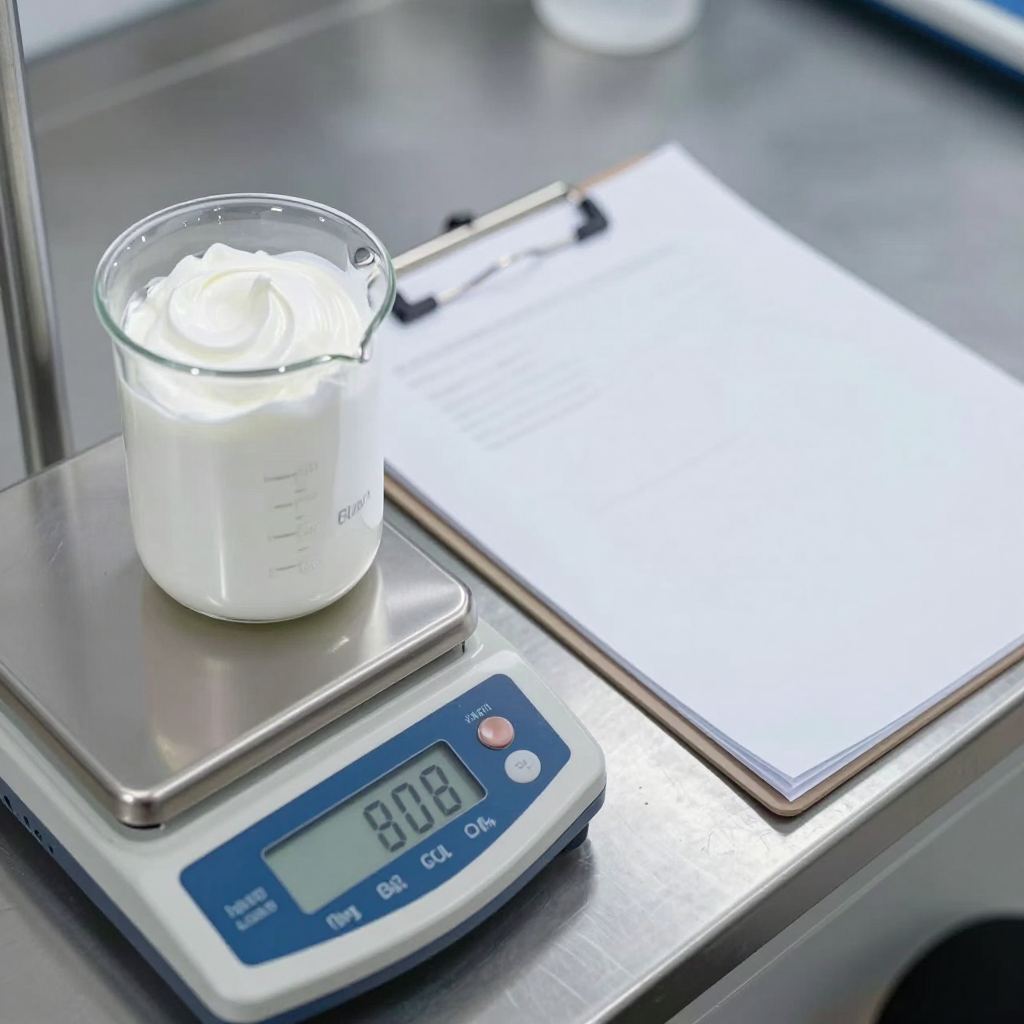
The two dyes are capped by product type: not permitted in leave-on hair products, 0.4% in hair dyes, 0.2% in rinse-off hair care, and for Basic Blue 7 also 0.8% in nail products and 2% in bath products. Xiaolin pulled the formula sheets and found PHMB written three different ways — polyaminopropyl biguanide, polyhexamethylene biguanide, polihexanide. Search one name and the other two stay invisible. One spray SKU loses its preservative, which means the stability run restarts from week zero.
Scene 4 · Loading dock, 4.30 p.m.
Ivan's container is booked for the first week of December. The loading date falls on one side of 1 December and the declaration on the other, and he asked the question I could not answer in one sentence: what filing number goes in the product qualification field when what we sell him is a base, not a finished product? A base has no registration number of its own. It never did.
My judgment, and I said it plainly on the dock: settle the declaration route with the broker before you book the container, not at the port. Whether a 200 kg drum travels as a cosmetic or as an industrial material decides which number applies, and that answer belongs to the broker and the filing record — not to me guessing on a loading dock. On the import side the check is word for word against the filed draft. Lead time after that: fixed by project.
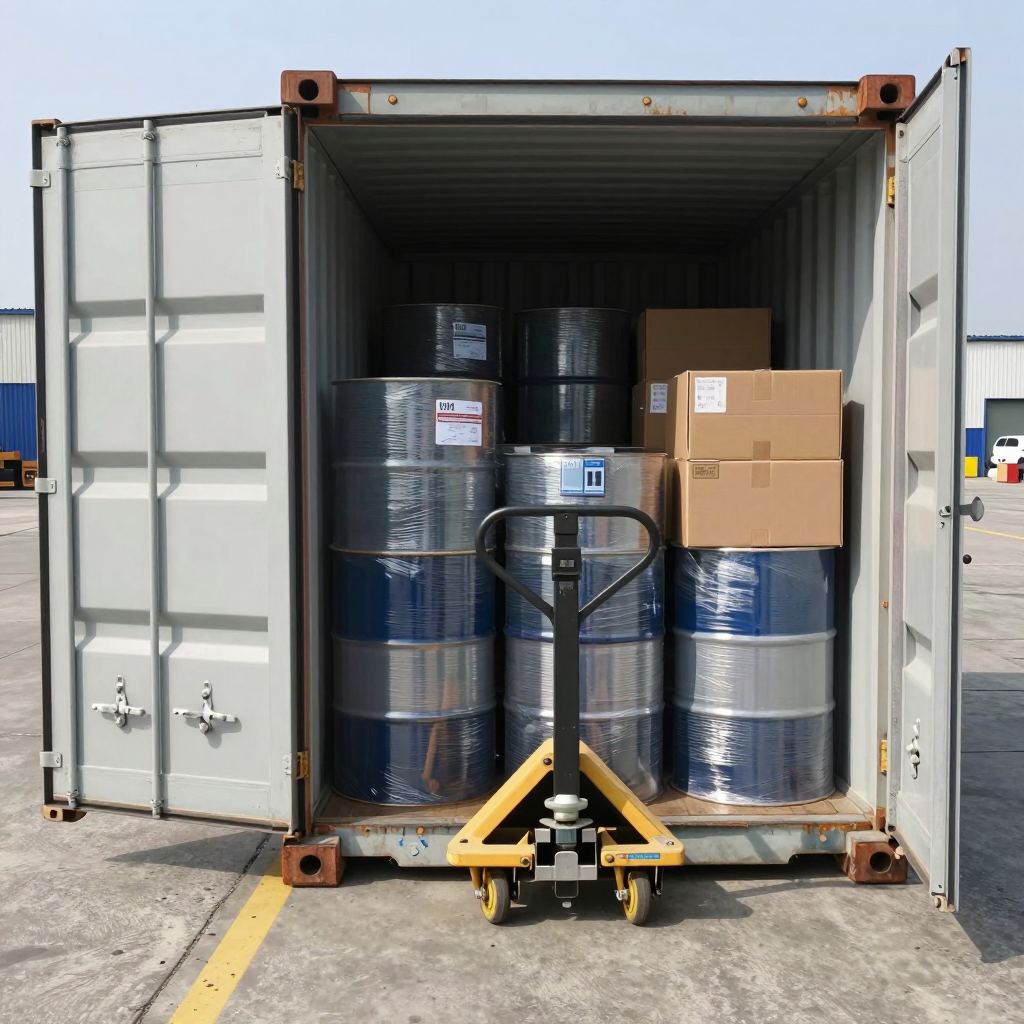
The drum label moves with it. On a 200 kg drum the product name, batch number, production date, shelf life and storage conditions all have to be there, because the customer files that label as part of his own submission. We used to stick them on loosely since the buyer would re-label anyway. Not now. Re-label once, the batch number no longer matches, and the whole lot needs explaining.
Scene 5 · Office, 7 p.m.
The third paper is the one that keeps me at the desk. On 23 November Kerala's health minister warned of strict action against mercury-laced fairness creams and the state ran inspections across the districts; on 24 November the government directed the health secretary to work out a mandatory licence and registration for cosmetics sales. Behind it is a case: a seventeen-year-old girl who developed membranous nephropathy after a cream bought through WhatsApp, tested at 12,500 ppm mercury against a limit of 1 ppm.
Twelve thousand five hundred. Nobody mixes that into a base by accident. That is a mercuric salt added to a whitening cream on purpose, and it is exactly why a base supplier has to keep its own line clean — batch number, COA, retention sample, and a written boundary that the filler files the finished product in its own name. When a regulator walks the chain back, it walks back through documents, not through goodwill.
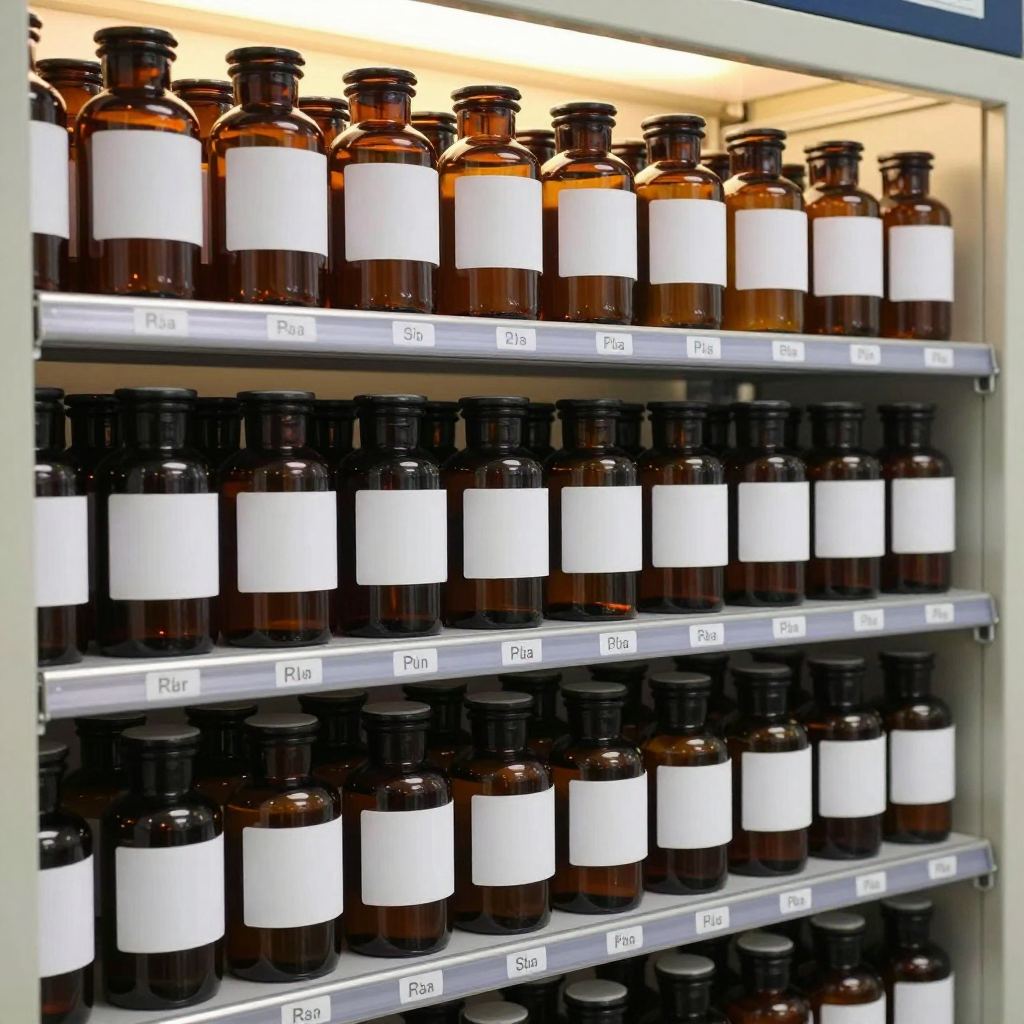
The amber bottles in the retention cabinet are sorted by month. When an inspector comes, the first thing he asks for is not the formula but whether the retention samples are still there and whether the batch numbers line up. We have done that small thing for more than ten years; this week it became the most valuable thing we own.
So today's action is small and it takes half an hour: open the export declaration template, change one field to 616 with the licence number, change another to the filing number, then run the three-name search across every formula sheet in the drawer. Half an hour at the desk now, or a container sitting at the port in December.
Paper is thin. The letters on it are not.
FAQ
Q: If a shipment was declared before 1 December, does it have to be refiled?
A: The announcement takes effect on 1 December, and earlier customs provisions that conflict with it yield to it. Cargo already released is not reopened. But if one order is split across several declarations and the later ones fall after 1 December, those follow the new fields.
Q: Our base has no filing number. What goes in the product qualification field?
A: That is the real question of the week. A base is a material and carries no registration or filing number of its own. The commodity name and the declaration route must be confirmed by the broker under the classification rules; a factory must never type a number it does not hold. If the container date falls after 1 December, get that answer before booking.
Q: Is PHMB banned or restricted?
A: Restricted, in Canada's case — and restrictions bind harder than bans. Spray and aerosol formulations are out entirely; other skin-applied products are capped at 0.2%, on grounds of inhalation effects on lung function and skin sensitisation. It sits in formula sheets under three names, so search polyaminopropyl biguanide, polyhexamethylene biguanide and polihexanide together.
Q: Is the Indian case really our problem?
A: 12,500 ppm against a 1 ppm limit is not a level a base can carry in; somebody downstream added it. But enforcement follows batch numbers and purchase records, and our COA and retention sample are our segment of that chain. If the documents are incomplete, we have nothing to stand on.
場景1 · 廣州白雲,2026 年 11 月 24 日,早上八點
報關行的郵件比我先到。鑰匙還沒插進鎖孔,手機上已經躺著兩份退回更正的通知,都是化妝品,都是從這個院子出去的。不是拒收,是退回——退回比拒收難受,櫃停在那裡,時鐘照走。我在這道閘口發了這麼多年的膏霜基料,報關資料以前像蓋個章的事。今天早上,它讀起來像一張我沒見過的清單。
報關行的文員在電話裡一句話講完:十二月一日起,出口報檢申請單的企業資質欄,要選「616-化妝品生產許可證」,填生產企業名稱和許可證號;商品資料那一欄,要填產品在藥監平台上的註冊或備案編號。他說得像沒什麼事。我把 616 寫在一個紙箱的角上,看了很久。
院子裡的兩條灌裝線還在跑,一桶一桶的白色膏體從輸送帶上下來,封蓋機的聲音隔著窗都聽得見。車間可以照常開,單子卻可能出不了閘——這種時候,問題從來不在配方,在紙上。我把那張退回通知翻到第二頁,上面只寫了「產品資質未填」,五個字,讓我們一整個早上的安排全部重排。
場景2 · 二樓樣品間,上午十點
May 把三張紙擺在不鏽鋼台上,紙邊對齊台沿,這是她的習慣。第一張是海關總署公告本身,2026 年第 162 號,十一月二十三日發布、十二月一日實施。第二張是加拿大衛生部十一月對化妝品成分清單的更新,十一月二十三日公布。第三張是她從一份印度報紙上印下來的,日期十一月二十四日。三個國家,三張紙,七十二小時。
海關那份公告不長,慢慢讀就幾句。進口化妝品的中文標籤內容,要跟藥監註冊備案平台裡的標籤樣稿一致;進口免稅化妝品免予加貼中文標籤,海南離島免稅除外;跨境電商零售進口按另行的規定。出口這一邊,生產企業或發貨人要填 616 的生產許可證與廠名證號,商品要填註冊或備案編號。舊規定與這份不一致的,以這份為準。
進口那一邊還有一層。標籤不是自己寫好印出來就行,要跟備案平台裡的樣稿一字一字對得上——字體大小、成分排序、警示語的位置,差一個字都算不一致。同一天還有一份海關總署令第 284 號生效,把舊的檢驗檢疫辦法換掉。兩份文件壓在同一天,報關行的文員已經開始問我們要標籤樣稿的 PDF。
場景3 · 會議室,下午兩點
加拿大那張紙,是這個星期真正要花錢的。十一月二十三日,衛生部把三個條目加進限用清單:Basic Violet 4、Basic Blue 7,還有聚氨丙基雙胍。PHMB 在噴霧與氣霧劑配方裡一律不允許,理由是吸入霧滴影響肺功能;其他接觸皮膚的產品上限 0.2%,理由是皮膚致敏。它是限用,不是禁用——限用比禁用更難過日子。
兩種鹼性染料按品類分檔:免洗護髮產品不允許,染髮產品 0.4%,沖洗型護髮 0.2%;Basic Blue 7 另給指甲產品 0.8%、浴用產品 2%。小林把配方表抽出來,同一個東西在三張紙上寫成三個名字——聚氨丙基雙胍、聚六亞甲基雙胍、polihexanide。只搜一個名字,另外兩個就躲在抽屜裡。有一支噴霧要換防腐體系,穩定性試驗從第零週重跑。
場景4 · 倉庫月台,下午四點半
伊萬的櫃訂在十二月的第一週。裝櫃日期落在十二月一日這一邊,報關落在另一邊。他問了一句我沒法一句話答完的話:我們賣給他的是基料,不是成品,那商品資料欄的備案編號填什麼?基料本來就沒有自己的備案號,從來沒有。
我的判斷,我在月台上說得很直:申報口徑要在訂艙之前跟報關行敲定,不是等櫃到港。一桶二百公斤的料,按化妝品申報還是按工業原料申報,決定用哪一個號;這個答案屬於報關行和備案紀錄,不屬於我在月台上猜。進口那一邊,標籤要跟備案樣稿一字一字對。再往後的交期,按項目確認。
桶上的標籤也跟著要改。二百公斤的桶,品名、批號、生產日期、保質期、貯存條件一樣不能少;客戶要拿這張紙去備案,它就是他遞上去的材料之一。以前我們貼得隨意,反正對方自己會重貼;現在不行,重貼一次,批號對不上,整批要解釋。
場景5 · 辦公室,晚上七點
第三張紙,是把我按在辦公桌前的那張。十一月二十三日,喀拉拉邦衛生部長警告要嚴查含汞美白霜,全州同步查抄;二十四日,邦政府再下令衛生廳研究增設銷售許可與登記,要把化妝品銷售改成持牌制。背後是一個案子:一個十七歲女孩用了透過 WhatsApp 買來的面霜,得了膜性腎病,那支面霜驗出汞 12,500 ppm,法定限值 1 ppm。
一萬二千五百。沒有人在基料裡不小心混進這個量級。那是有人刻意把汞鹽加進美白霜裡,而這正是基料供應商要把自己這條線守乾淨的理由:批號、COA、留樣,還有一條寫清楚的邊界——成品由下游自己具名備案。監管順著鏈條往回走的時候,走的是文件,不是人情。
留樣櫃裡那一排琥珀瓶,是按月分的。監管來查的時候,先看的不是配方,是留樣還在不在、批號對不對得上。這件小事我們做了十幾年,今天忽然變成手上最值錢的東西。
所以今天要做的動作很小,半個小時:打開出口報檢申請單的模板,一欄改成 616 加許可證號,一欄填備案編號;然後拿三個名字把抽屜裡所有配方表掃一遍。現在桌上花半小時,或者十二月讓一個櫃停在港口。
紙是薄的。紙上的字不是。
常見問題
Q:十二月一日之前已經報關的貨,要重填嗎?
A:公告自十二月一日起實施,此前海關規定與它不一致的,以它為準。已經放行的不追溯;但同一張訂單分批報檢、後面幾票跨過十二月一日的,要按新欄位填。
Q:我們的基料沒有備案號,商品資料欄怎麼填?
A:這是本週最實際的問題。基料是原料形態,本身沒有註冊或備案編號。用什麼品名、走哪條申報口徑,必須由報關行按歸類規則確認,工廠不能自己填一個手上沒有的號。櫃期在十二月一日之後,先拿到答案再訂艙。
Q:PHMB 是禁用還是限用?
A:加拿大這次是限用,而限用比禁用更綁手。噴霧與氣霧劑配方一律不允許,其他接觸皮膚的產品上限 0.2%,依據是吸入影響肺功能與皮膚致敏。它在配方表上有三個名字,聚氨丙基雙胍、聚六亞甲基雙胍、polihexanide,要三個一起搜。
Q:印度那個案子,離我們很遠吧?
A:12,500 ppm 對 1 ppm,不是基料能帶進來的量級,是下游自己加的。但執法追的是批號和進貨憑證,我們給出去的 COA 與留樣,就是那條鏈上屬於我們的這一段。憑證不齊,站在監管面前就沒有底氣。
Questions about this process?對這道工序有疑問?
Ask us and we will answer in writing, with the batch records to back it up.問我們,我們會以書面回覆,並附上批記錄。