
The Bangkok heat that sent the serum water base back to the bench曼谷的熱,把精華水基逼回配方台
Twelve drums of niacinamide serum base reached Bangkok with a straw-coloured top layer and a pH that had slipped from 5.8 to 5.1. The customer wanted a whitening claim printed on the drum and the notification filed in the factory's name. Both were refused, at a cost: 2.4 tonnes written off, two drums air-freighted, and a launch date pushed back.十二桶煙酰胺精華水基到曼谷,開桶時液面帶一層稻草黃,pH 從 5.8 掉到 5.1。客戶要在桶上印美白,還想把通報人寫成我們的名字。兩項都拒了:基料不帶宣稱,泰國通報人必須是泰國法人。代價是十二桶近兩噸四全部作廢、兩桶改空運補貨、交期與客戶的上市檔期一起往後推。
Scene 1 · Somchai's warehouse, Samut Prakan, Monday morning
The twelve drums stood two rows deep beside the loading door, and the man who had signed for them was already holding a glass bottle up against the light. The liquid inside was clear, but it carried a straw tint near the surface that had not been there on the release sample, and he turned the bottle slowly, twice, before he said anything at all. Behind him a forklift idled, waiting for a decision that would decide whether the drums went to the filling line or back against the wall.
Somchai runs a contract filling plant in Samut Prakan, south of Bangkok, and fills for three Thai brands and one Malaysian one. He is careful in the way of men who have been inspected: batch records clipped in order, a weighing room with a logbook, a small fridge kept only for retention samples. What he does not have is time. His biggest client had booked a promotion for the middle of the following month, and the bottles had to be filled, labelled and photographed before that booking opened.
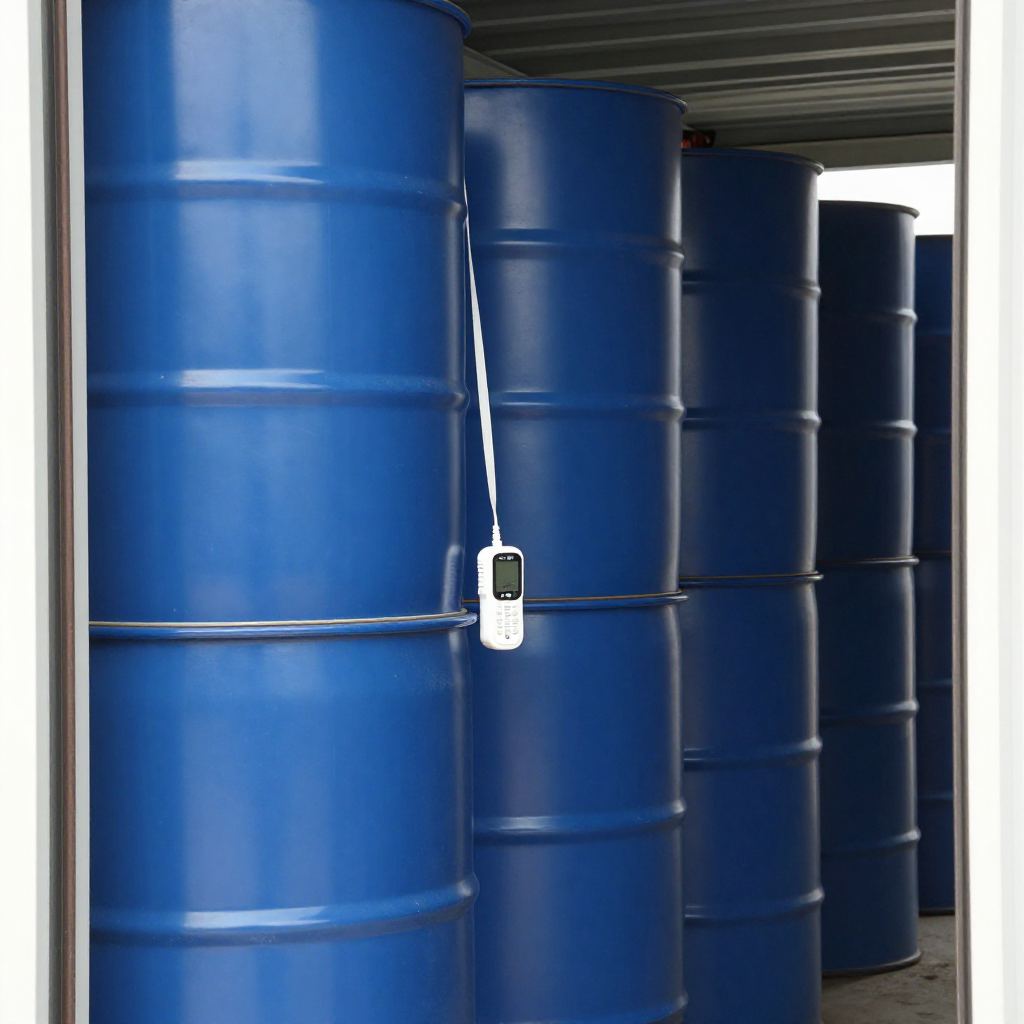
The base had left Guangzhou sixteen days earlier in a forty-foot container with eleven other shipments. It had sat two days on the dock in Shekou, eight days at sea, three days in the Laem Chabang yard waiting for release, and then three more days in a truck that had no cooling. Nobody had done anything wrong. The route was simply hot, and the drums had been packed in the way drums are always packed.
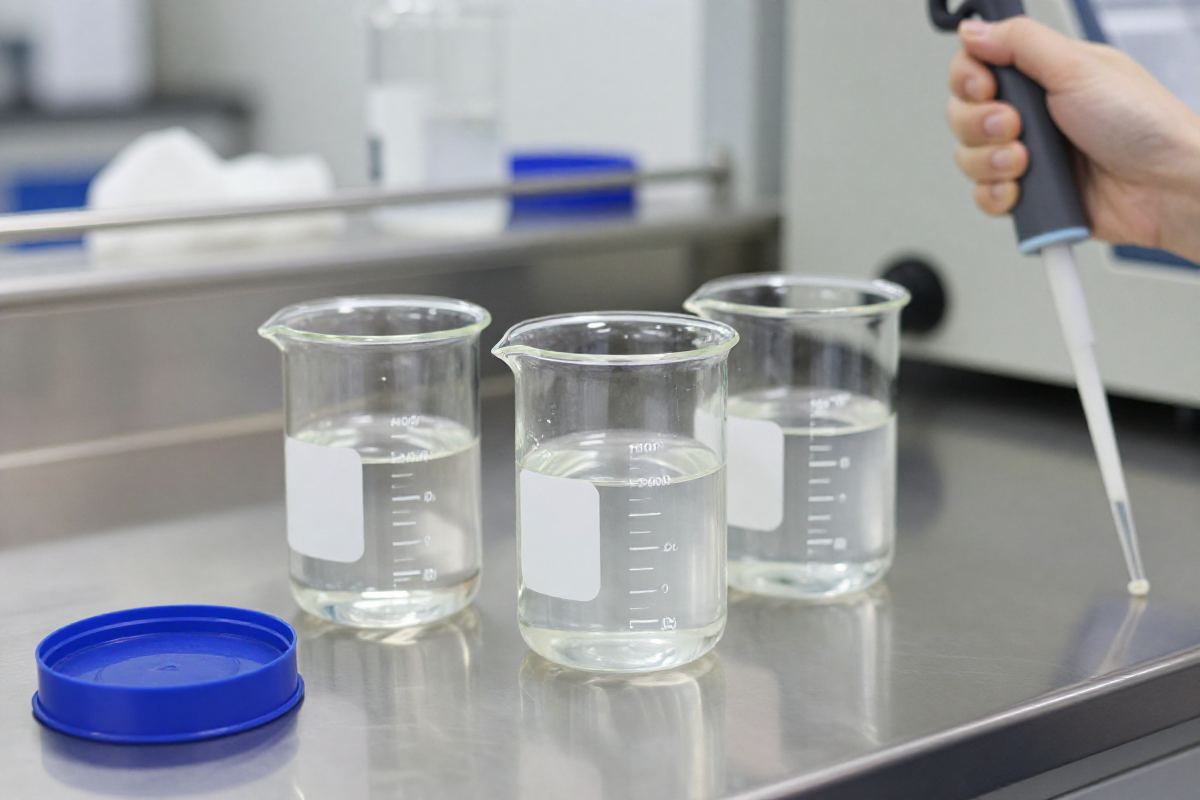
"pH," Somchai said, and May put the certificate of analysis on the table beside the bottle, then the new reading from his own meter. Release was 5.8. The bottle in his hand read 5.1. He did not raise his voice; he drew a small vertical line between the two numbers with his pen, which is what a man does when he is already counting the cost of a delay.
The colour and the pH were two symptoms of one reaction, and it was not contamination. There was no smell, no gas, no sediment, and the micro count from the port sample came back clean. What had happened was slower and more ordinary: water had begun attacking the amide bond of the niacinamide, one molecule at a time, and every molecule that opened released a little nicotinic acid and a little ammonia. Acid makes that reaction faster, and the reaction makes more acid. Heat only decides how fast the whole thing runs.
Somchai had read this before. Three weeks earlier, on the page attached to the specification, in a paragraph he had skimmed because the drums were already booked and the price was already agreed. He said so plainly, without defending himself, which is the thing that made the rest of the conversation possible. Then he asked the question the whole shipment depended on: could the drums still be used if his client accepted a slightly darker serum.
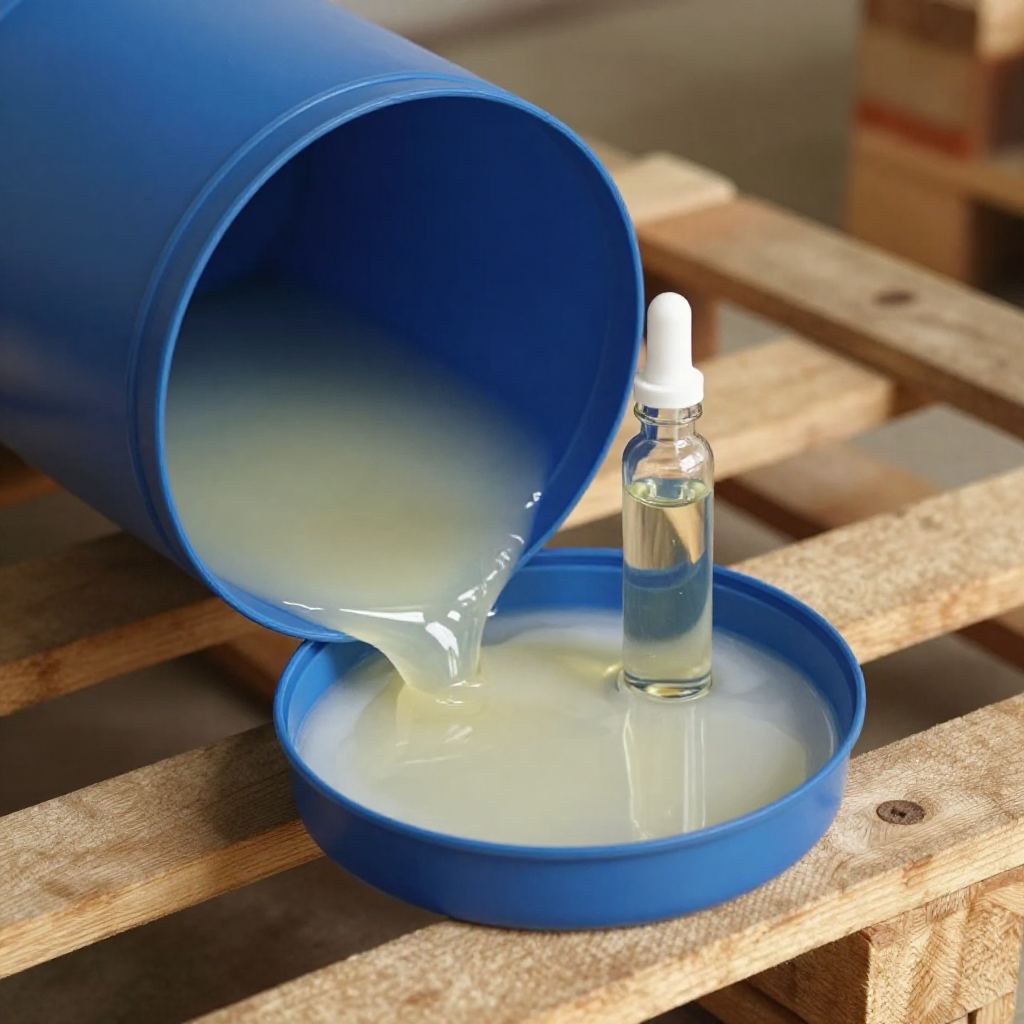
The answer was no, and it was 小林's answer given by May on the phone, in one sentence: the batch could be filled, and it could be sold, and in four months the same bottle would be darker again, in a market where the customer keeps the bottle on a shelf at thirty-two degrees and takes eleven weeks to finish it. Somchai put the bottle down. The forklift turned around and put the twelve drums against the wall.
Scene 2 · Formulation lab, Guangzhou, three weeks earlier
The formula had looked clean on paper. Five per cent niacinamide, a citrate buffer, a chelator, a light humectant, a preservative system chosen for a water-only product, and no acid exfoliant anywhere near it. 小林 had written the pH target as 5.8 with a drift budget of plus or minus 0.3 over shelf life, and 強哥 had signed it without discussion, because on paper it was the right number: far enough from the acid end to slow hydrolysis, far enough from neutral to keep the preservative working.
What 小林 had flagged in the email was not the number but the two places where the number could move. The first was the buffer: a weak citrate system holds pH at release and lets it wander afterwards, and the wander is not random, it is downward, because the reaction produces acid as it goes. The second was the addition step. Niacinamide is usually dissolved in the water phase, and in a plant that heats water to seventy or eighty degrees to hydrate gums and dissolve preservatives, the active sits in that heat for the whole batch, and a five-hundred-kilo batch stays hot far longer than a one-kilo lab beaker ever will.
強哥 read the note twice and asked one question: what does the customer see if we get it wrong. 小林 answered with the only honest answer, which was a sentence about yellowing in the drum and a pale straw tint in the bottle, and a pH that no longer matches the certificate. 強哥 said then we fix it before it leaves, not after it lands. He is a man who has spent twenty years being told that the customer will not notice, and he has stopped believing it.
May brought the market sheet to the same table. Four markets on the page, and one column that mattered for this order: who holds the notification. For Thailand the notifier must be a Thai juristic person, the receipt runs three years, the label must be in Thai, and the liability for the notified information sits first on the notifier, not on the factory that made the material. She had written this in the previous article and had written it again in the quotation, in a short paragraph that Somchai had read and not argued with.
The buffer decision cost money in a way that is easy to miss. A stronger citrate system means more salt, and more salt means a slight change in how the serum feels on the hand, a touch more slip before it dries. 小林 wanted it anyway, and said so with a number: at the current buffer strength, a batch that starts at 5.8 could sit at 5.2 by the time a Bangkok warehouse opens the drum, and at 5.2 the hydrolysis is running faster than the stability panel had assumed when the shelf life was written.
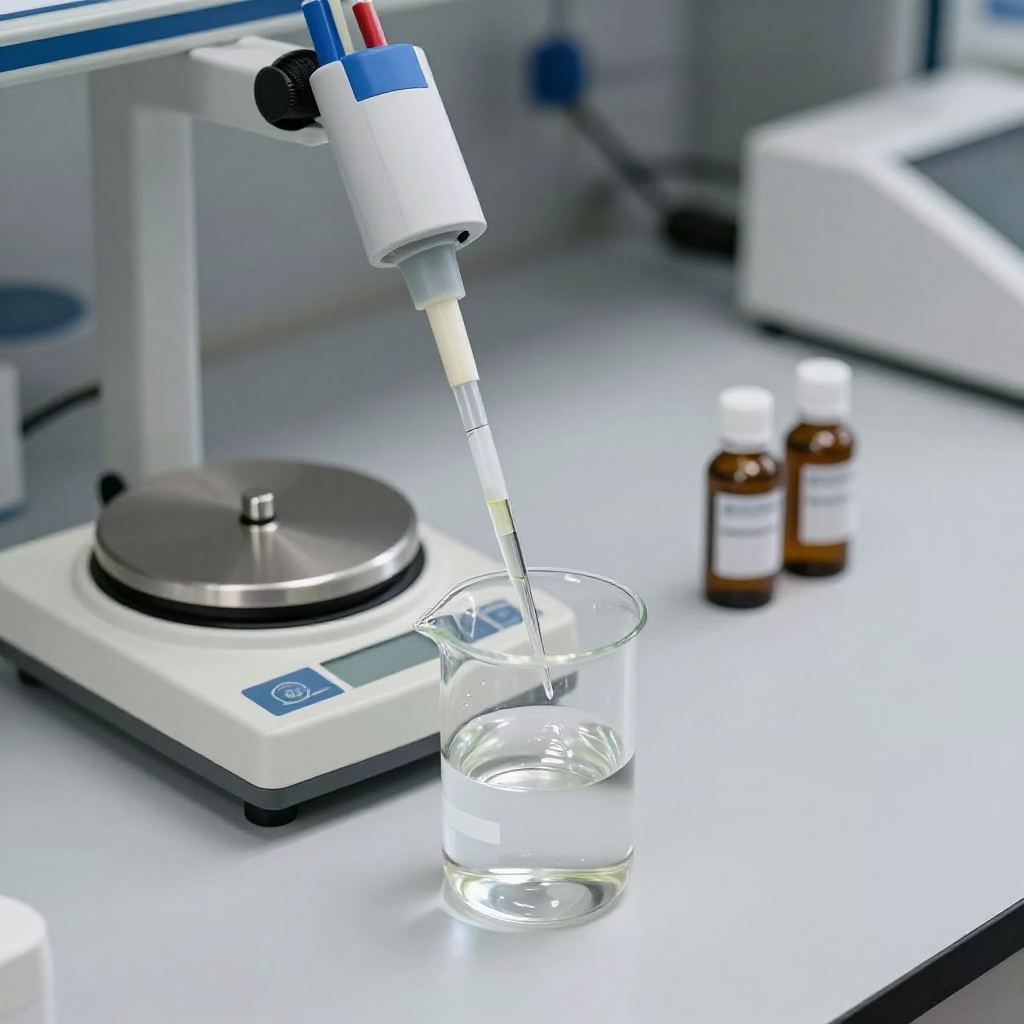
強哥 approved three changes in one sitting, and each one added a day. Stronger buffer, with the feel difference accepted and written into the specification. A separate cool-down addition step, so niacinamide goes in below forty-five degrees instead of with the hot water. And an extra assay, nicotinic acid at release and at end of shelf life, because a standard niacinamide assay with a tolerance of several per cent cannot see a conversion of under one per cent, and under one per cent is exactly where the difference between a well-tolerated serum and a complaining customer lives.
The batch ran on a Thursday and took nine hours instead of six. 小林 stood at the tank for the cool-down step with a thermometer in one hand and the batch record in the other, and wrote the actual addition temperature in the box instead of the target, which is the only habit that makes a batch record worth keeping. The twelve drums were filled on Friday, sampled on Friday afternoon, and loaded on Saturday morning. On Saturday morning the spec sheet in the drum pocket still said pH 5.8 plus or minus 0.3, and the label on the drum still said nothing at all about what the liquid was for.
Scene 3 · Meeting room, Guangzhou, the same Saturday evening
Somchai joined the call from his office with the light still on behind him, and he came with two requests, both reasonable from where he sat. The first was a line of text on the drum: whitening serum base, so that his client's marketing team could photograph the drum beside the bottles and use the picture in a dealer group. The second was subtler. He asked whether the factory could be named as the notifier, since the factory held the GMP certificate, the formula and the stability data, and since his own company had only one product on the Thai system and no one in the office who wanted to own the paperwork.
強哥 refused both in the same minute, and he refused them separately, because they were not the same refusal. The drum carries no claim because a base is not a product: nothing in a drum has been notified, tested in its final pack, or assessed for the claim that a marketing team wants to print. And the notifier is not a favour to be lent out. In Thailand the receipt is issued to a person or a juristic person who takes responsibility for the information filed, and the agency will look for that name first if the formula on paper and the product in the bottle ever disagree.
May took the second half of it, because she is the one who reads the regulations rather than the summary of them. Notification is not certification, she said; it is a filing with a three-year validity, and the receipt proves that a filing was made, not that the product is safe or that the claims on the label are supported. The label has to be in Thai, the statements must be truthful and within the scope of a cosmetic, and the notifier is the party the authority calls first. A factory in Guangzhou cannot be that party, and should not want to be.
Somchai did not accept it at once. He said the sentence that every supplier in this business hears eventually: then my client will compare your price with the other supplier's, and the other supplier will print whatever the client asks. 強哥 did not argue about price. He said the other supplier will print it, and in eighteen months when the client's own brand is pulled from a shelf and the file is opened, the printed word on the drum will be the first thing in the file, and it will not have your name on it.
There is a version of this conversation in which the factory wins the argument and loses the customer, and 強哥 has been on that side of it too. So he offered the thing that could be offered. Every document Somchai needed to file, he would have: full ingredient list with percentages, specification, certificate of analysis per batch, the material safety data sheet, the GMP certificate of the producing plant, ingredient origin declarations, the stability panel, and a letter of authorisation naming Somchai's company as the party entitled to file. What he would not do was put his own name where the liability sits, or put a claim on a drum that no one had notified.
Somchai went quiet for a while and then asked a practical question, which is how these calls usually end well: if the claim is off the drum, what goes on the label. May answered that the label is his, in Thai, with the ingredient list in descending order, the net content, the batch number, the expiry, the name and address of the notifier, and the use instructions. No claim, no promise, no comparison. The serum would have to sell on the shelf and in the first week of use, which is where a serum actually sells, and not on a word printed on a drum in a warehouse.
The call ended with an order that was smaller than the one Somchai had planned to place, and with a shipment that would go by sea anyway, because air freight for twelve drums of water-based liquid is a number nobody wants to put on a quotation. 強哥 put the phone down and said the thing he says after these calls, which is that the customer is not wrong to want the claim, he is just early. The claim belongs to the finished product, and the finished product is Somchai's, and Somchai will get there in his own time and in his own name.
Scene 4 · Stability lab, Guangzhou, four days after the drums left
The photographs came in on a Wednesday, four days after the container sailed, and they were the reason this article exists. Somchai had opened one drum in his own warehouse to pull a working sample for the filling trial, and photographed the surface with his phone: a straw-coloured ring at the top of otherwise clear liquid, with a clean edge, as if someone had drawn a line around the inside of the drum with a pale pencil. He had also measured pH, which he did not have to do, and reported 5.1 without being asked.
小林 pulled four retention drums from the same batch out of the sample room and started a panel that had not been planned. Two samples into a forty-five degree oven, two into fifty-five, one left at ambient as a control, and one put through a cycle that mimicked the container: eight hours at fifty, eight hours at ambient, repeated six times, which is closer to a real container crossing the South China Sea than any single steady temperature. Every sample was measured for pH, colour by a simple visual grade against a standard set, and nicotinic acid by assay.
The numbers came back in the shape 小林 expected and did not want. At twenty-five degrees the pH barely moved and the nicotinic acid stayed near its release value. At forty-five it drifted by about two tenths in three weeks. At fifty-five the drift was faster and the nicotinic acid climbed steadily, and the colour grade moved with it, one step every eight or nine days. The direction was one-way: every point of drift made the next week's drift larger, because the acid produced by the reaction was catalysing the reaction that produced it.
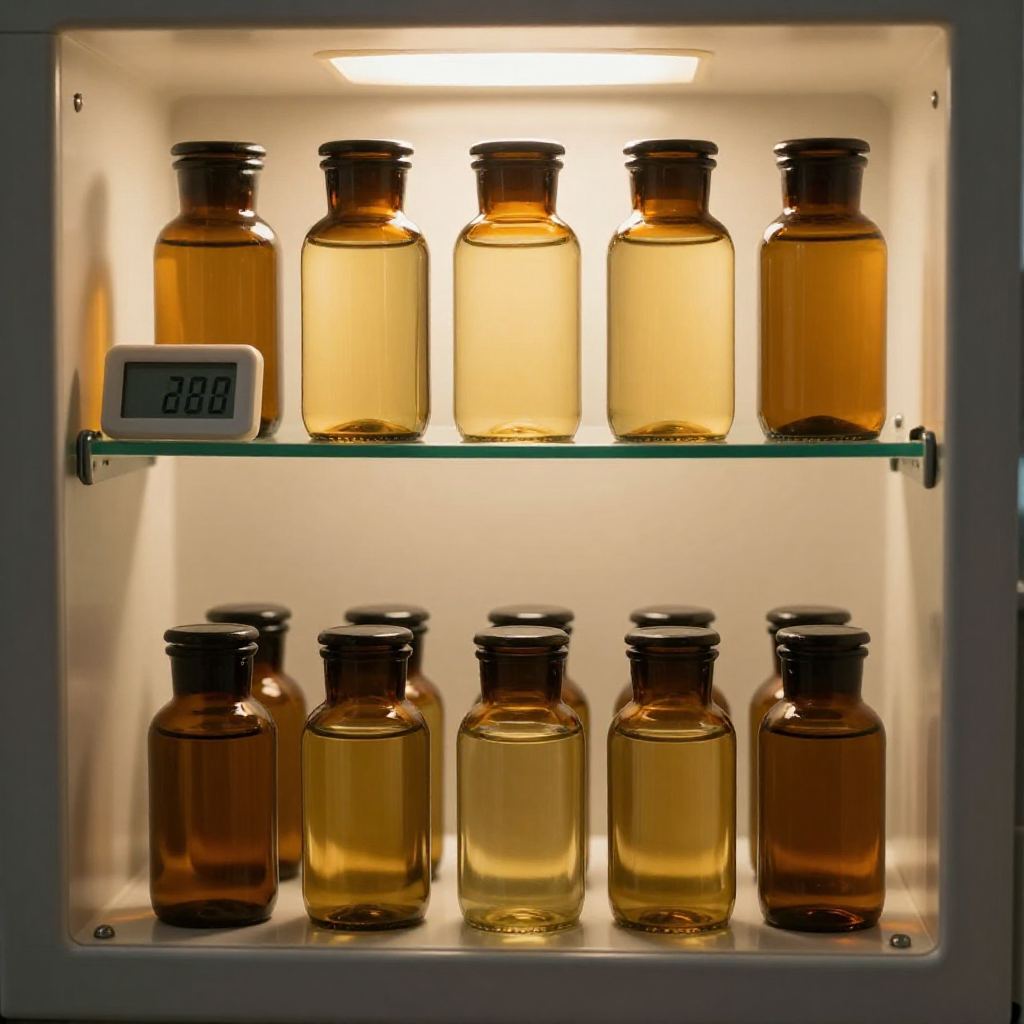
小林 put the literature beside the panel, because a number without a reference is just an opinion. A 2025 conference abstract from a French dermo-cosmetics group, looking at thirty-one niacinamide face products, found nicotinic acid above 380 ppm in most of the formulas where niacinamide had been added hot, above forty-five degrees, and below 52 ppm in nearly all of those added at lower temperatures. A 2024 Chinese stability study reached the same direction from another angle: at twenty-five degrees the nicotinic acid in a water-based product barely moved over eight weeks, and at fifty-five degrees it doubled. Neither paper sets a legal limit. Both describe a mechanism, and the mechanism was sitting in twelve drums in a Thai warehouse.
The proposal on the table was the cheap one, and 小林 made it first because it was his to make: drop the niacinamide from five per cent to three, and the amount that can convert is smaller, the pH drift is smaller, and the whole problem shrinks. 強哥 listened to it, asked two questions about what the customer had bought, and turned it down. The customer had bought a five per cent serum because that is what his brand sells on, and a base that quietly becomes three per cent is not a cheaper base, it is a different product with a familiar name.
So the second option went through instead. Buffer strength raised by roughly half, still citrate, still within the feel tolerance written into the specification. Cool-down addition made mandatory rather than recommended, with the actual temperature written into a new box on the batch record. A nicotinic acid specification added at both ends, release and end of shelf life, with the release limit set by the panel rather than by habit. And the container route written into the shipping instruction: no deck stowage, no transhipment through a yard with no shade, and a temperature logger in every pallet, because an argument about what happened in a container is settled by a logger and never by a memory.
The cost was concrete and 強哥 wrote it down himself. Twelve drums, roughly two point four tonnes, could not be released and would not be sold; they would go into internal line trials and then be written off. Two replacement drums went by air freight at the factory's cost, because Somchai's line had to run and because a customer who has just been told no twice should not also be told to wait. 小林 lost a weekend. And the client's promotion date moved, which is the only cost in the list that cannot be recovered by anyone, because a promotion date is a slot in someone else's calendar.
Scene 5 · Filling plant, Samut Prakan, two weeks later
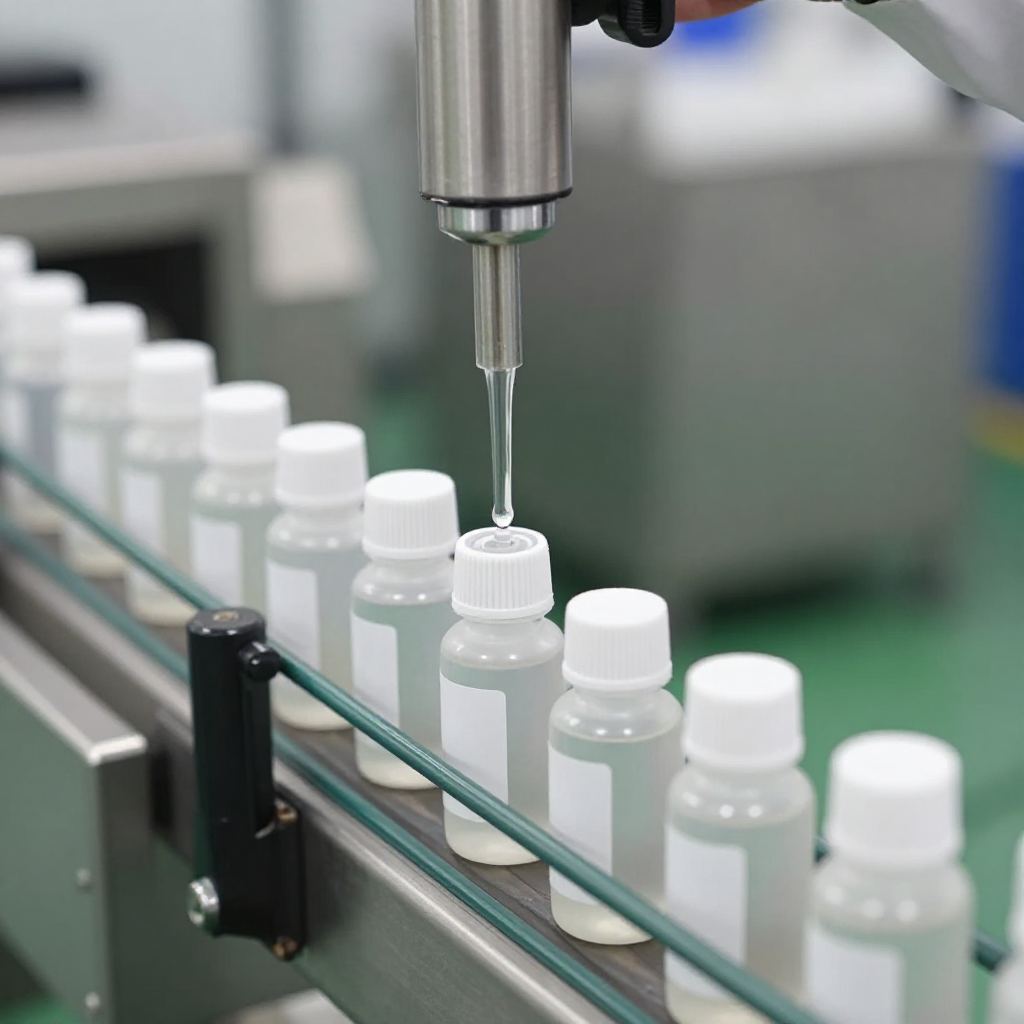
The two air-freighted drums arrived on a Tuesday and were on the line by Wednesday morning. The filling hall is small and clean, with a six-head filler, a labelling station and a shrink tunnel along one wall, and the air smelled faintly of the fragrance that Somchai adds at his own step, which is his formulation and his responsibility, and which is exactly where it should be. The base went into the tank through a filter, and the line started at a slower speed than the plan, because the new buffer had changed the viscosity by a small amount that the pump noticed even if the eye did not.
強哥 stood at the tank for the first twenty minutes and did not touch anything. He watched the operator log the batch number, watched the temperature probe go in, and then asked to see the box on the batch record where the addition temperature is written. The operator wrote fifty-one degrees, honestly, and 強哥 asked him to bring the batch down before the next addition rather than run the rest of the tank at that number. It was a small correction in a small room, and it is the only kind of correction that ever actually changes a product.
Somchai's quality manager asked about the tint they had seen in the first shipment, and 小林 answered without softening it: the tint was niacinamide turning into nicotinic acid under heat and acid, the same reaction that had been running in the drum since the day it was filled, and the reason the specification now carries a number for it. The answer went into the filling SOP as two lines about storage shade and about not leaving a drum open in the sun, and it did not go onto the label, because the label is not a place where a factory explains its own chemistry.
The Thai label came off Somchai's printer that afternoon and 強哥 read it line by line: product name, net content, full ingredient list in descending order, batch number, manufacturing and expiry dates, the name and address of the notifier, the use instructions, and the warnings that Thai practice expects on a leave-on product. No claim. Not one word about whitening, brightening, pores or seven days. Somchai's own name and address sat at the bottom of the label in the place where the authority will look for them.
The client's brand manager came on Thursday to look at the first bottles, and asked, in front of everyone, where the whitening line was. Somchai answered it himself this time, without looking at May, in Thai, and then in English for the two people in the room who needed it: the claim is not on the label because the label is not where claims are made legal; the file is in my name and the marketing copy is your decision, but the drum and the label will stay as they are. 強哥 said afterwards that this was the moment the order became a relationship rather than a transaction.
Two hundred bottles came off the line before lunch, then four hundred, then a full pallet by the end of the day. Somchai kept six of them on a shelf in his office next to the drum sample from the first, yellowed shipment, and he did not throw the old sample away. 強哥 told him to keep it where a customer can see it, because a supplier who can show you the batch that failed is a supplier who is telling you the truth about the batch that passed. The evidence stays on the shelf, in the customer's own building, in the customer's own hand.
Scene 6 · Sample room and loading bay, Guangzhou, one month later
The standard changed quietly, which is how standards change. Every serum water base going to a tropical market now leaves with a nicotinic acid specification at release and at end of shelf life, a pH drift budget written as a range rather than a single number, a mandatory cool-down addition step with the actual temperature recorded, a temperature logger in every pallet, and a shipping instruction that names the stowage position and forbids transhipment through an unshaded yard. None of it is dramatic. All of it is the difference between a specification and a hope.
The twelve written-off drums were not wasted. They went into line trials at two other customers, who were told exactly what they were and why they were free, and one of them changed its own water-phase heating step after seeing the colour grade on the panel. 小林 keeps one drum from that batch in the sample room with a label that says what it is, in his own handwriting, because a stability panel is a set of numbers and a drum is an argument.
May rebuilt the document pack that goes with every shipment and now sends it before the invoice rather than after. Full ingredient list with percentages, specification, batch certificate of analysis, material safety data sheet, the GMP certificate of the producing plant, ingredient origin declarations, the stability panel with the conditions and the time points named, and the letter of authorisation that lets the customer's own company file the notification in its own name. The pack does not make a sale. It makes the second sale possible, because it is the thing the customer's compliance officer reads at eleven at night.
Somchai placed a second order within the month, larger than the first and still without a claim anywhere on the drum. He also sent a photograph of his own filing receipt, three years of validity, his company's name on it, and asked one question that 強哥 had been waiting for since the first call: whether the same base could be adapted for a body lotion his client wanted for the cool season. The answer was yes, with a different buffer and a different preservative challenge, and a new panel, and a date that would not be promised until the panel came back.
The money lost on this lane is easy to add up and 強哥 adds it up every time, because a loss you refuse to count becomes a habit. Two point four tonnes written off, two drums flown at his cost, a weekend, a promotion date that belonged to someone else. Against that, a specification that now holds for every tropical serum the plant makes, a customer who argues with him instead of around him, and a filing receipt with the customer's name on it that will still be valid in three years. He says the arithmetic only works if you count the second order, and the third, and the one after that.
There is a sentence he uses at the end of these conversations, and it is the same sentence whether the customer is in Moscow, Lagos, Jakarta or Bangkok. A base does not carry a claim. A base carries data. The claim belongs to the product that has been notified, in the country where it will be sold, in the name of the company that will answer for it. Everything else, the drum, the label, the marketing photograph, is a decision someone makes later, with a file open in front of them, and it is not a decision a factory in Guangzhou can make on their behalf.
Frequently asked questions
Q: Is a serum water base a finished product?
A: No. It is a semi-finished material: water, a humectant, a buffer, a chelator, a preservative system and the active, supplied in drums or IBC totes. The customer dilutes, adds fragrance and colour, fills, labels and notifies. Nothing in the drum has been assessed as a finished product in its final pack.
Q: Who holds the Thai notification, and why can the factory not hold it?
A: A Thai juristic person or Thai national holds it. The receipt runs three years from issue, the label must be in Thai, and the notifier is responsible for the accuracy of what was filed and is the party the authority calls first. A factory outside Thailand cannot be the notifier, and a receipt is a filing record, not a certificate of safety.
Q: Why did the first shipment turn yellow, and what was changed?
A: Niacinamide hydrolyses to nicotinic acid and ammonia in the presence of water, and the reaction is catalysed by acid and accelerated by heat. Every conversion lowers pH slightly and speeds the next step. The fix was a stronger citrate buffer, a mandatory cool-down addition below forty-five degrees with the real temperature recorded, and a nicotinic acid specification at release and at end of shelf life.
Q: What is tested before a serum base ships to a tropical market?
A: pH drift and colour grade at twenty-five, forty-five and fifty-five degrees over three weeks to three months; a hot-cold cycle that mimics a container crossing; nicotinic acid by assay at every time point; microbial challenge on the preservation system; centrifuge and freeze-thaw; and a temperature logger in every pallet so that what happened in transit is a record rather than a recollection.
Q: Can the drum or the label carry a whitening claim?
A: No. A claim belongs to the notified finished product, made in the country of sale, in the name of the notifier, supported by evidence for that formulation in that pack. A word printed on a drum is not a claim that anyone has filed, and it becomes the first document in the file if the product is ever questioned.
場景1 · 曼谷南邊沙沒巴干,Somchai 的倉庫,星期一上午
十二隻桶兩排靠著裝貨門放,簽收的人已經把一隻玻璃瓶舉到光下。液體是清的,可液面附近浮著一層稻草色,出廠留樣上沒有這層顏色。他把瓶子慢慢轉了兩圈才開口。身後叉車怠速等著一個決定:這些桶是上灌裝線,還是靠牆放回去。
Somchai 在曼谷南邊的沙沒巴干開代工廠,替三個泰國品牌和一個馬來西亞品牌灌裝。他是被查過的人那種謹慎:批次記錄按順序夾好,稱料間有台帳,一台小冰箱只放留樣。他沒有的東西是時間。最大的客戶訂了下個月中旬的促銷檔,瓶子必須在檔期開檔前灌完、貼完標、拍完照。
這批基料十六天前從廣州出發,一隻四十尺櫃,和另外十一票貨拼在一起。蛇口碼頭壓了兩天,海上八天,林查班場站等放行三天,之後又在一輛沒有冷氣的卡車上待了三天。沒有人做錯事。這條航線本來就熱,桶也是照桶的老辦法裝的。
「pH。」Somchai 說。May 把出廠檢驗報告放在瓶邊,再放上他自己那支 pH 計剛測的讀數。出廠 5.8,他手上這瓶 5.1。他沒有提高聲音,只用筆在兩個數字之間畫了一道短豎線——人在心裡開始算延誤代價的時候,就會畫那道線。
顏色和 pH 是同一個反應的兩個症狀,而且不是污染:沒有異味、沒有氣、沒有沉澱,港口取樣的微生物計數是乾淨的。發生的事更慢也更平常:水在一個分子一個分子地攻擊煙酰胺的酰胺鍵,每開一個分子就放出一個煙酸和一個氨。酸讓這個反應更快,反應又生出更多酸。熱只決定整件事跑得多快。
Somchai 讀過這段。三週前,在附在規格書後面那一頁的段落裡,他略過去了,因為桶已經訂了、價格也談好了。他把這件事說得很直,沒有替自己辯解,後面的對話才有可能進行。然後他問了這票貨真正的關鍵問題:如果客戶肯接受顏色深一點的精華,這些桶還能不能用。
答案是不能,這句話是小林的,由 May 在電話裡轉述:這一罐可以灌、可以賣,四個月後同一瓶會再深一階,因為客戶的客人把瓶子放在三十二度的架上,十一週才用完。Somchai 把瓶子放下。叉車掉頭,把十二隻桶推回牆邊。
場景2 · 廣州,配方實驗室,三週前
配方在紙上很乾淨。煙酰胺 5%,檸檬酸鹽緩衝,一支螯合劑,一點輕保濕,一套為純水體系挑的防腐,附近沒有任何酸性去角質成分。小林把 pH 目標寫成 5.8、漂移預算正負 0.3,強哥沒有討論就簽了,因為在紙上這個數字是對的:離酸端夠遠,水解慢;離中性夠遠,防腐還工作。
小林在郵件裡標出的不是這個數字,而是數字會動的兩個位置。第一是緩衝:弱的檸檬酸體系只在出廠那一刻把 pH 拉住,之後任它走,而它不亂走,它往下走,因為反應一直在產酸。第二是投料那一步:煙酰胺通常溶在水相裡,而工廠要把水打到七八十度去水化膠體、溶防腐,活性物就陪著這股熱過完整批——五百公斤一鍋涼下來的時間,比一公斤燒杯長得太多。
強哥讀了兩遍,只問一個問題:如果我們做錯,客戶會看到什麼。小林給了唯一誠實的答案:桶裡發黃,瓶裡一層淡稻草色,pH 跟檢驗報告對不上。強哥說那就在出廠前修好,不要等落地再修。他這二十年一直在被人告知「客戶不會注意到」,他已經不信這句話了。
May 把市場表拿到同一張桌上。四個市場,只有一欄對這張單要緊:通報人寫誰。泰國的通報人必須是泰國法人,收據三年有效,標籤要泰文,通報資料的責任第一落在通報人身上,不落在做料的工廠身上。這段她上一篇文章寫過,報價單裡又寫了一遍,Somchai 讀過,沒有爭。
緩衝的選擇有一個很容易被漏掉的代價。緩衝加強意味著鹽多,鹽多意味著精華在手上滑一下才乾,觸感差一點。小林還是要加強,他給了理由和數字:以現在的緩衝強度,一批 5.8 出廠的料,等曼谷倉庫開桶時可能已經 5.2,而 5.2 的水解速度比當初寫貨架期時假設的快,那份貨架期就等於沒寫。
強哥一次批了三項改動,每一項都加一天。緩衝加強,觸感差異接受,寫進規格。降溫投料獨立成一步,煙酰胺在四十五度以下才進去,不再跟著熱水走。再加一項檢測,出廠與貨架期末都測煙酸——因為常規煙酰胺含量檢測的容差有幾個百分點,看不見不到一個百分點的轉化,而不到一個百分點,剛好就是好用的精華和會投訴的客戶之間的距離。
那一批在星期四跑,做了九個小時,不是六個。小林端著溫度計在鍋邊守降溫那一步,另一隻手拿批次記錄,把實際投料溫度寫進格子裡,不是寫目標溫度——這是唯一讓批次記錄值得留下的習慣。星期五下午灌十二隻桶、取樣,星期六上午裝櫃。裝櫃那天,桶口袋裡的規格書還寫著 pH 5.8 正負 0.3,桶上的標籤還是什麼都沒寫,一個字都沒提這桶液體是做什麼用的。
場景3 · 廣州,會議室,同一個星期六傍晚
Somchai 從辦公室接進來,背後燈還亮著,他帶了兩個要求,站在他的位置上都合理。第一是在桶上印一行字:美白精華基料,這樣客戶的市場部可以拍桶和瓶子的合照,發進經銷商群。第二個更細:能不能把通報人寫成工廠,反正 GMP 證書、配方、穩定性資料都在工廠手裡,而他自己的公司只在泰國系統上有一個產品,辦公室裡也沒人想碰這些文件。
強哥在同一分鐘裡拒了兩件事,但是分開拒的,因為兩件事不是同一件事。桶上不印宣稱,因為基料不是產品:桶裡的東西沒有通報過、沒有在終端包裝裡測過、也沒有為市場部想印的那句話做過支撐。通報人也不是可以借出去的人情。泰國把收據發給對所報資料負責的人或法人,紙上的配方和瓶裡的產品哪天對不上,監管第一個找的就是那個名字。
後半段由 May 接,因為她是讀法規原文的人,不是讀摘要的人。通報不是認證,她說;它是一個三年有效的備案,收據只證明備案遞了,不證明產品安全,也不證明標籤上的話站得住。標籤必須泰文,字句必須真實、必須落在化妝品的範圍內,通報人是監管機構第一個打電話的對象。廣州的工廠不能當通報人,也不該想當。
Somchai 沒有立刻接受。他說了這行裡每個供應商遲早會聽到的那句話:那我客戶就拿你的價格去比另一家,另一家客戶要印什麼就印什麼。強哥沒有在價格上爭,他說另一家會印,十八個月後這個牌子在貨架上被拿下、文件被打開,桶上那行字就是卷宗裡的第一頁,而那一頁上不會有你的名字。
這種對話有一種結局是工廠贏了道理、丟了客戶,強哥也站過那一邊。所以他給了他能給的:通報要用的文件全給——含百分比的全成分表、規格書、每批 COA、MSDS、生產廠 GMP 證書、原料來源聲明、穩定性報告,再加一紙授權書,寫明 Somchai 的公司有權遞交通報。他不做的只有兩件:把自己的名字放在責任那一欄,和在沒有人通報過的桶上印宣稱。
Somchai 安靜了一陣,然後問了一個實務問題,這種電話通常就是這樣收尾的:如果桶上不印,那標籤上寫什麼。May 說標籤是他的,泰文,成分按降序、淨含量、批號、有效期、通報人名稱地址、使用說明,其餘沒有。沒有宣稱、沒有承諾、沒有比較。這支精華要靠貨架和客人用的第一週去賣,那才是精華真正賣出去的地方,而不是倉庫裡一隻桶上的一行字。
電話掛掉時,訂單比 Somchai 原本打算下的要小,而且這批貨照樣走海運,因為十二桶水劑的空運費是一個沒有人願意寫進報價單的數字。強哥放下電話,說了他在這種電話之後總要說的一句:客戶想要那個宣稱沒有錯,他只是要早了。宣稱屬於成品,成品是 Somchai 的,Somchai 會用自己的時間、自己的名字走到那一步。
場景4 · 廣州,穩定性實驗室,桶離廠後第四天
照片在星期三到,櫃開出去才四天,這篇文章就是為了這批照片寫的。Somchai 在自己倉庫開了一桶,取工作樣做灌裝試機,用手機拍了液面:清液上面一個稻草色的圈,邊界很乾淨,像有人用淡鉛筆在桶內壁畫了一道線。他還測了 pH,本來不必測,測完報了 5.1。
小林從留樣間提出同批四桶,臨時加開一組試驗。兩瓶進四十五度烘箱,兩瓶進五十五度,一瓶常溫對照,一瓶跑循環:五十度八小時、常溫八小時,重複六次——這比任何一個恆定溫度都更接近一隻櫃子過南海的樣子。每個取樣點都測 pH、對標準色階、做煙酸含量檢測。
數字回來,是 小林 預期又不想要的形狀。二十五度 pH 幾乎不動,煙酸貼著出廠值;四十五度三週漂了約 0.2;五十五度漂得更快,煙酸一路往上,色階跟著走,每八九天升一級。方向是單向的:漂一點,下一週就漂得更多,因為反應生出來的酸,正是催化這個反應的東西。
小林把文獻放在試驗報告旁邊,因為沒有出處的數字只是意見。二〇二五年法國一個皮膚化妝品集團在 EUROTOX 的會議摘要,看了三十一支煙酰胺面部產品:四十五度以上投料的,多數煙酸高於 380 ppm,低溫投料的幾乎都在 52 ppm 以下。二〇二四年一份中國穩定性研究從另一個角度得到同一個方向:二十五度放八週,水劑裡的煙酸幾乎不動;五十五度放八週,煙酸翻倍。兩份都沒有給法定限值,兩份都在描述同一個機制,而那個機制正坐在泰國倉庫的十二隻桶裡。
桌上擺著的便宜方案,是 小林 先提的,因為那是他的位置該提的:煙酰胺從 5% 降到 3%,能轉化的量就少了,pH 漂得也少,整個問題跟著縮小。強哥聽完,問了兩句客戶到底買了什麼,然後否掉。客戶買的是 5% 的精華,因為他的品牌就靠這個賣;一隻悄悄變成 3% 的基料不是便宜的基料,是換了內容、留著舊名字的另一個產品。
所以走第二條。緩衝強度提高約一半,仍是檸檬酸,仍在規格寫明的手感容忍範圍內。降溫投料從建議改成強制,實際溫度寫進批次記錄新增的一欄。煙酸規格加在兩端,出廠一端、貨架期末一端,出廠限值按這次試驗定,不按習慣定。櫃內路線寫進出貨指令:不上甲板、不經沒有遮陰的場站轉運、每棧板放溫度記錄儀——櫃裡發生過什麼,由記錄儀說話,不由記憶說話。
代價很具體,強哥自己拿筆記下來。十二桶,約兩點四噸,不能放行,也不會賣,轉去做內部試產然後報廢。兩桶補貨走空運,運費算工廠的,因為 Somchai 的線要開,而且一個剛剛被拒了兩次的客戶,不該再被告知要等。小林 丟了一個週末。客戶的促銷日期往後推——這是清單上唯一誰都補不回來的成本,因為促銷日期是別人行事曆上的一個位子。
場景5 · 泰國沙沒巴干,灌裝廠,兩週後
兩桶空運的料星期二到,星期三早上就上了線。灌裝間不大但乾淨,六頭灌裝機、貼標站、收縮爐靠著一面牆,空氣裡有一點香精味——那是 Somchai 自己加香那一步的味道,是他的配方、他的責任,也該是他的位置。基料過濾進罐,線速比計劃慢一些,因為新的緩衝把黏度改了一點點,眼睛看不出來,泵看得出來。
強哥在罐邊站了前二十分鐘,什麼都沒碰。他看操作員抄批號、看溫度探針插進去,然後要求看批次記錄上寫投料溫度的那一欄。操作員照實寫了五十一度,強哥請他把這一鍋降下來再加剩下的料,而不是整鍋就在那個溫度上跑完。這是一個小房間裡的一個小修正,而真正改變產品的,從來只有這種修正。
Somchai 的品管問起第一批看到的顏色,小林沒有把話說軟:那層顏色是煙酰胺在高溫和酸裡變成煙酸,跟裝桶那天起就在桶裡跑的是同一個反應,也是現在規格裡要寫上這個數字的原因。這個答案寫進灌裝 SOP 的兩行字——存料要遮陰、開桶不要曬太陽——沒有寫上標籤,因為標籤不是工廠解釋自己化學反應的地方。
泰文標籤當天下午從 Somchai 的印表機出來,強哥一行一行讀:品名、淨含量、按降序的全成分、批號、製造與有效日期、通報人名稱與地址、使用說明,以及泰國實務上留駐型產品該有的警語。沒有宣稱。沒有一個字提到美白、提亮、毛孔或七天。Somchai 自己的名字和地址壓在標籤底部——監管要找人時,找的就是那個位置。
客戶的品牌經理星期四來看第一批瓶子,當著一屋子人問美白那行在哪。這次 Somchai 自己回答,沒有看 May,先用泰文說一遍,再用英文對房裡需要聽的人說一遍:標籤上沒有宣稱,因為標籤不是宣稱合法的地方;文件上是我的名字,文案是你們的決定,但桶和標籤就這樣。強哥後來說,這一刻這張訂單才從交易變成關係。
午餐前二百瓶下線,然後四百瓶,收工時一整棧板。Somchai 留了六瓶放在辦公室架上,旁邊就是第一批發黃那隻桶的留樣,舊樣品他沒有丟。強哥請他放在客戶看得到的地方,因為一個敢把失敗那一批擺出來的供應商,說的話才有人信。證據留在架上,留在客戶自己的廠房裡、自己的手上。
場景6 · 廣州,留樣間與裝櫃區,一個月後
標準是悄悄改的,標準都是這樣改的。現在每一批去熱帶市場的精華水基,出廠與貨架期末都帶煙酸規格;pH 漂移預算寫成一個範圍,不再寫一個數;降溫投料變成強制步驟,實際溫度必須記;每棧板一隻溫度記錄儀;出貨指令寫明積載位置,禁止經由沒有遮陰的場站轉運。沒有一項轟動。全部加起來,就是規格和但願的分別。
報廢的十二桶沒有白費。它們去了另外兩個客戶的線上做試產,客戶知道那是什麼、也知道為什麼免費,其中一家看完色階之後,改了自己水相升溫那一步。小林 留了一桶在留樣間,用自己手寫的標籤寫明這是哪一批、為什麼留,因為穩定性報告是一組數字,而一隻桶是一個論據。
May 重做了隨貨文件包,並且改成在發票之前寄,不是之後。含百分比全成分表、規格書、批次 COA、MSDS、生產廠 GMP 證書、原料來源聲明、寫明條件與取樣點的穩定性報告,再加一紙授權書,讓客戶用自己的公司名義去遞通報。這個文件包不會促成一單生意,它促成的是第二單——因為客戶的合規人員是晚上十一點在讀它的人。
Somchai 當月下了第二單,比第一單大,桶上照樣一個宣稱都沒有。他還寄來自己那張通報收據的照片,三年有效,上面是他公司的名字,然後問了一個強哥從第一通電話起就在等的問題:同一支基料能不能改成客戶想在涼季上的身體乳。答案是能,但要換緩衝、要重做防腐挑戰、要新的試驗組,而日期要等試驗回來才能給。
這條線上虧掉的錢很好算,強哥每次都算,因為不肯算的虧會變成習慣。兩點四噸報廢,兩桶自費空運,一個週末,一個屬於別人的促銷日期。換回來的是:一套現在對工廠每一支熱帶精華都成立的規格,一個會跟他吵而不是繞著他走的客戶,還有一張寫著客戶名字、三年後仍然有效的收據。他說這筆帳,只有把第二單、第三單、再下一單都算進去才成立。
他在這種對話結尾總用同一句話,客戶在莫斯科、拉各斯、雅加達還是曼谷都一樣。基料不帶宣稱。基料帶的是數據。宣稱屬於那個在銷售國、以通報人名義、對這支配方在這隻包裝裡做過支撐的成品。其餘的——桶、標籤、市場部那張照片——都是後面有人在打開的文件面前做的決定,廣州的工廠不能替他們做。
常見問題
Q:精華水基是成品嗎?
A:不是。它是半成品:水、保濕劑、緩衝體系、螯合劑、防腐體系加活性物,以桶或噸桶供應。客戶自己稀釋、加香、加色、灌裝、貼標、通報。桶裡的東西沒有作為終端包裝的成品被評估過。
Q:泰國的通報由誰持有,為什麼工廠不能持有?
A:由泰國法人或泰國國民持有。收據自簽發起三年有效,標籤必須泰文,通報人要對所報資料的準確性負責,也是監管機構第一個找的人。泰國境外的工廠不能當通報人,而收據只是備案記錄,不是安全證書。
Q:第一批為什麼會變黃,後來改了什麼?
A:煙酰胺在水存在下水解成煙酸和氨,這個反應由酸催化、由熱加速,每一次轉化都讓 pH 略降、下一步更快。改法是把檸檬酸鹽緩衝加強、降溫到四十五度以下才投料並記錄實際溫度、出廠與貨架期末都設煙酸規格。
Q:基料運去熱帶市場前要測什麼?
A:二十五、四十五、五十五度下的 pH 漂移與色階,三週到三個月;模擬貨櫃過海的冷熱循環;每個取樣點測煙酸;防腐體系的微生物挑戰;離心與凍融;每棧板放溫度記錄儀,讓運輸途中發生的事是一份記錄,不是一段回憶。
Q:桶上或標籤上可以寫美白宣稱嗎?
A:不行。宣稱屬於在銷售國、以通報人名義通報過的成品,要有這支配方在這隻包裝裡的證據支撐。印在桶上的一行字不是任何人遞交過的宣稱,產品一旦被追問,它會變成卷宗裡的第一頁。
Questions about this process?對這道工序有疑問?
Ask us and we will answer in writing, with the batch records to back it up.問我們,我們會以書面回覆,並附上批記錄。