
Hard water in Lagos, and the shampoo base built for it拉各斯的硬水与洗发基
Ada fills bottles in Lagos and wants a shampoo base, not a finished shampoo. The base still has to clear three gates: a chelating system built for hard water, a drum that survives more than fifty-five degrees inside a container, and a NAFDAC registration that stays with the licensed local party.Ada 在拉各斯有自己的灌装厂,她要的是洗发基,不是洗发水。但洗发基要先过三道门:硬水要配螯合剂体系,货柜内 55℃ 以上要扛住,NAFDAC 注册留在本地持证方手里。
Scene 1 · The call from Lagos, on a Monday morning
Ada rang from Lagos on a Monday morning, and the first question out of her mouth was not about the formula. How many kilos in one drum. What kind of drum. Which port, which route, how many days at sea, and where the container would stand on arrival. She had learned one thing the hard way already: Lagos in the dry season is not the same place as Lagos in the middle of the rains.
Then she said what she actually wanted, and she said it carefully, the way people say things when the wrong word costs money. A shampoo base, not a finished shampoo. She imports cosmetics into Nigeria and fills them herself in a small plant in Lagos. What she needs is a base she can decant, add her own fragrance and actives to, and put into her own bottles under her own label and her own registration. We make the base, she finishes the product, and that sentence took about as long to agree as it took to say.
May asked the question that separates this kind of project from an ordinary order. When your bottles go onto shelves in Nigeria, whose name is on the NAFDAC registration. Ada said hers, through her licensed local agent, and she added without being asked that the agent asks for the full composition of every raw material going in. Good, May said, then we are not selling you a cosmetic and you are not buying one. We are selling you a raw material, and you are the party who puts the claims on the shelf.
Ethan set the second condition before anyone talked about price. No claim goes on the drum. A drum is not a labelled product, and a base that arrives carrying a claim stops being a base and becomes something that needs a registration of its own. What we ship is a formulation with a written specification, a full ingredient list, test reports and a batch record. Her label, her claim, her registration and her name stay hers.
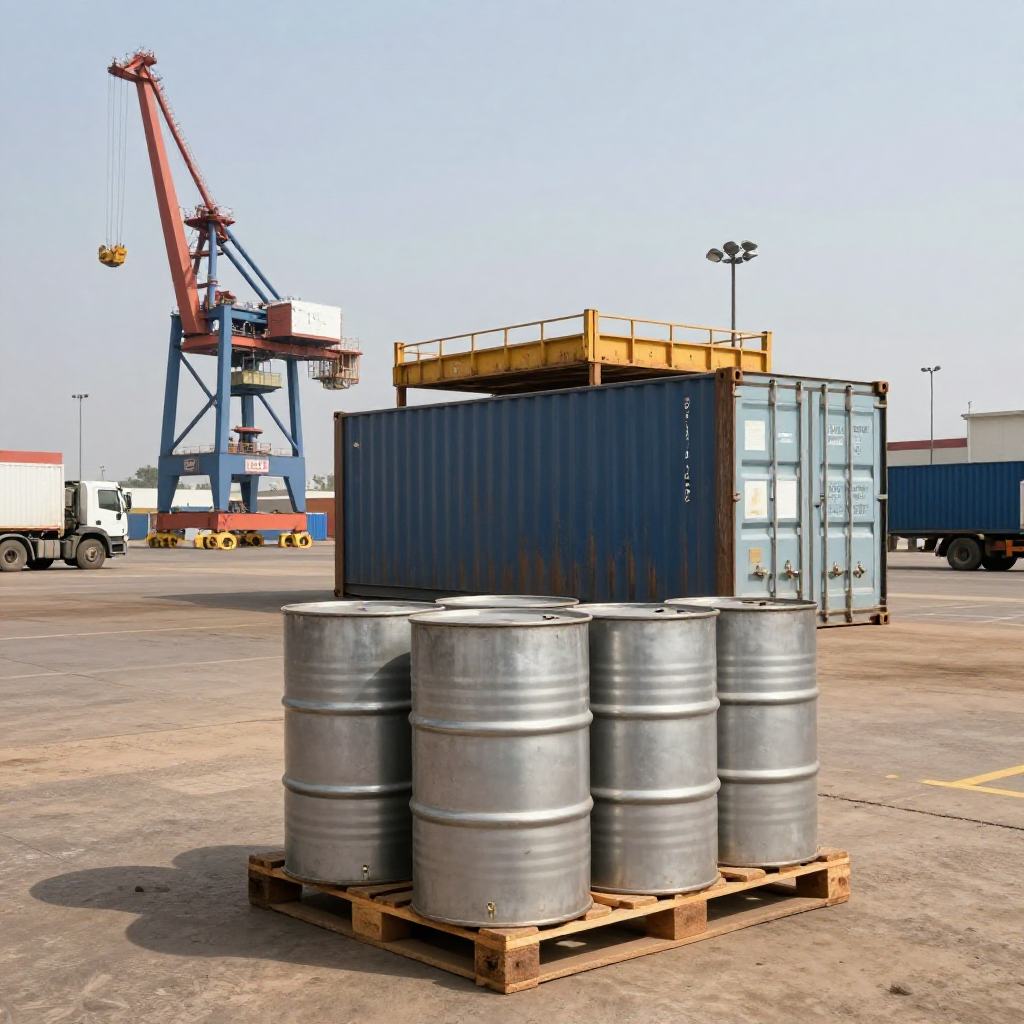
The route was settled on the same call: sea freight to Lagos, drums on pallets, and a temperature logger on every pallet, because the west African run is not a temperate run. Ada asked whether we had shipped base to Lagos before. We had, and what she got as an answer was not about customs brokers or paperwork but about what happens inside a sealed drum in the heat.
Scene 2 · What a shampoo base is, and what it is not
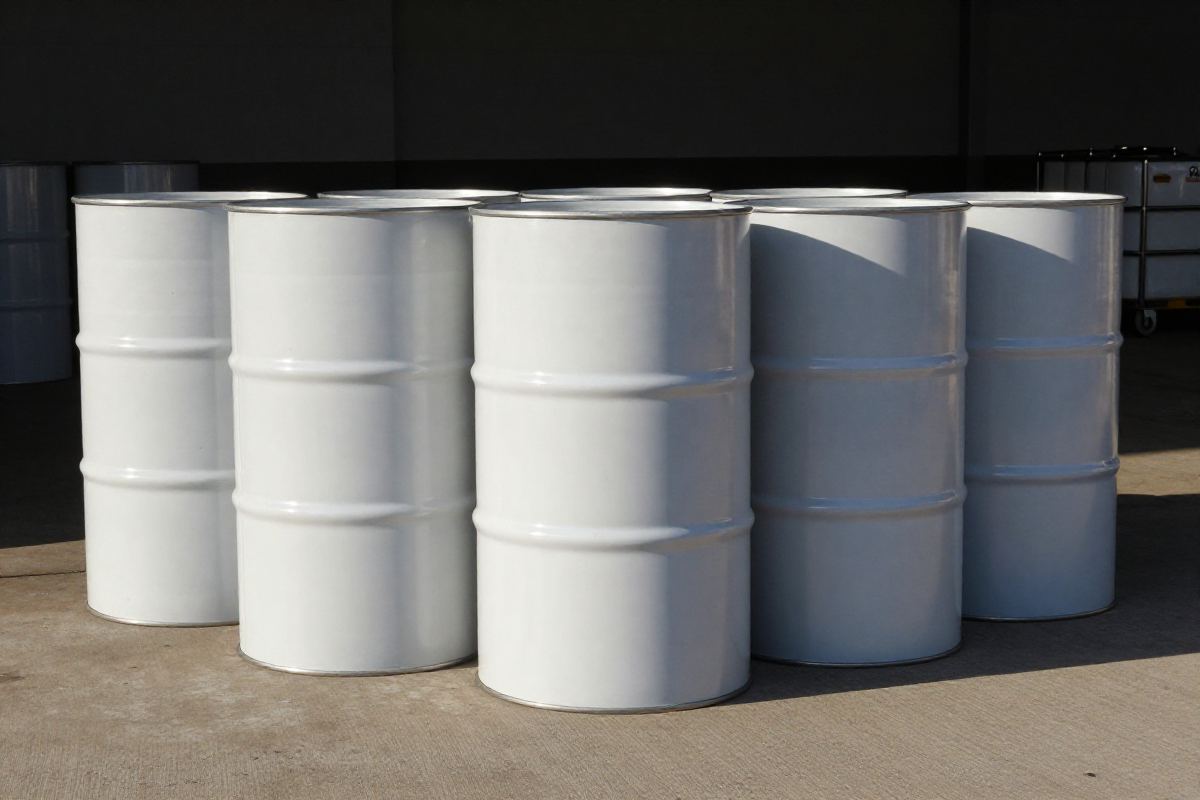
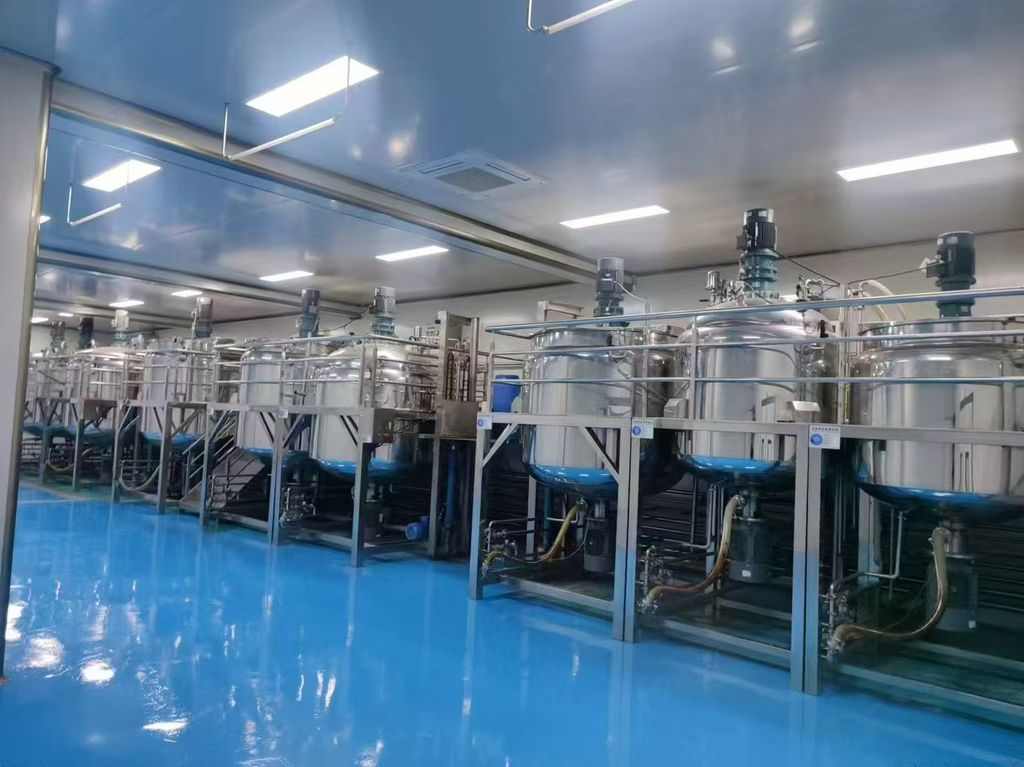
A shampoo base is not a cheap finished shampoo. It is a formulation built for the one thing a finished product cannot easily be: transport, and long storage in a drum nobody is going to look at. That means a surfactant system chosen to stay in solution, a builder and thickener system that holds its body without a retail bottle propping it up, and a preservative system sized for the abuse a bulk drum takes on a ship, not for the careful shelf a small bottle gets.
Ethan puts it more bluntly. The base is the part everybody copies and nobody can shortcut. What Ada adds on top — her fragrance, her actives, her colour, her packaging, her claim — is the part that is easy to change. What we deliver is the part that is hard to change and hard to get right, documented so that her own compliance file has something solid to sit on.
What the base is not, and this is where a lot of conversations go wrong, is a claim on a label. A drum carries no benefit statement of any kind, and nothing printed on it may be read as promising a result for a skin or scalp condition. Wording like that belongs to a finished composition with its own substantiation behind it. A drum that carries a claim makes Ada's registration ambiguous, and ambiguity inside a registration file is expensive.
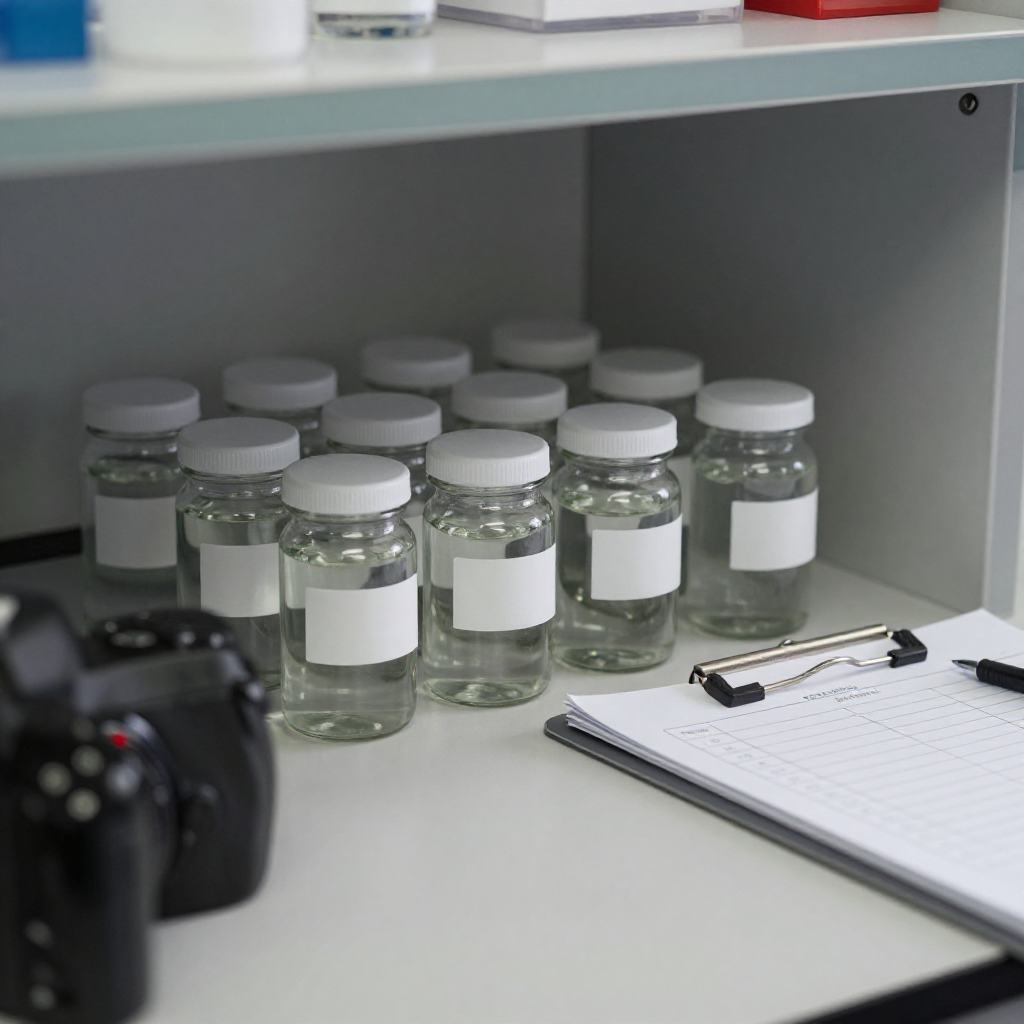
So the delivery is deliberately plain. A base with a defined specification: pH, viscosity range with the test temperature and shear rate stated, the microbiological result at the point of filling, the full ingredient list, the supporting test reports, the material safety data for handling, and a retention sample for every batch. Ada takes that file, adds her own products, and files her own registration with her own agent. We are not in that document.
Scene 3 · The water in Lagos
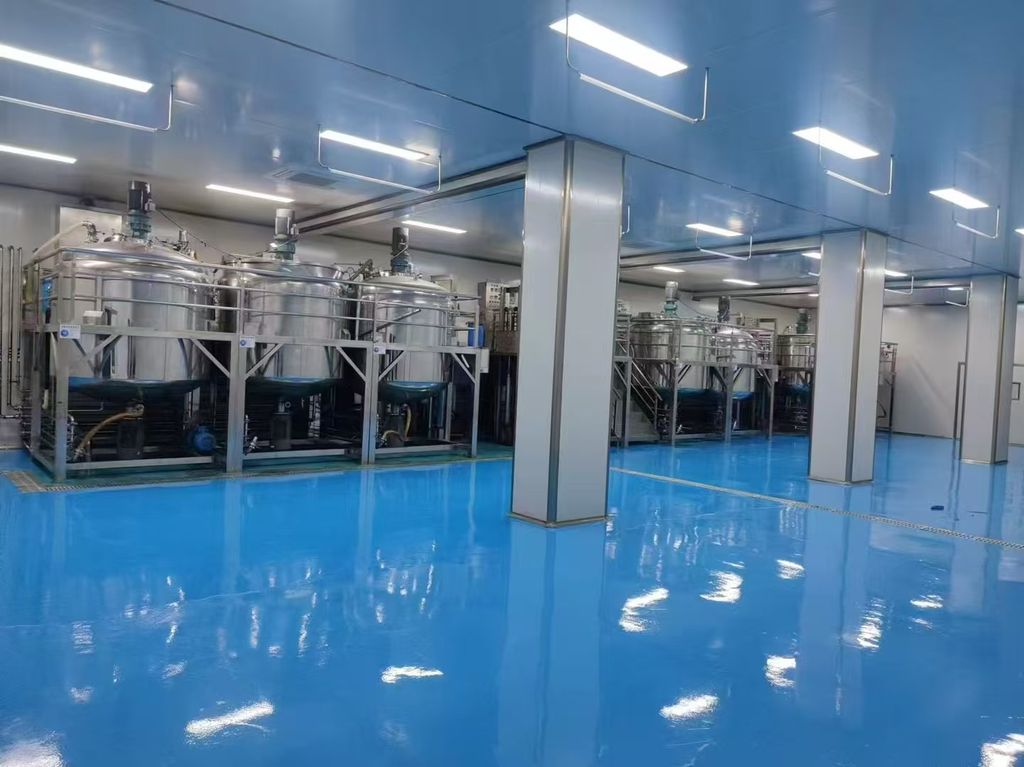
This was the part of the project that mattered most, and it came out of Ada in a single sentence: my customers do not have soft water. Lagos runs on hard water, and hard water is full of calcium and magnesium, and both of them get their hands on a surfactant system and pull it apart. She was not complaining about her own supply; she was telling us that the shampoo her customers buy has to look and behave the same as the sample we sent her.
What happens next is the detail nobody prices in advance. Hard water reacts with the surfactants in the base, the micelles lose their shape, the system goes cloudy, and the viscosity drops in the customer's bottle rather than in ours. The customer does not say the base was wrong. The customer says the shampoo is watery and that the last supplier was better. That complaint never reaches the factory and it never gets resolved, because the damage happened in Lagos tap water, not inside a drum.
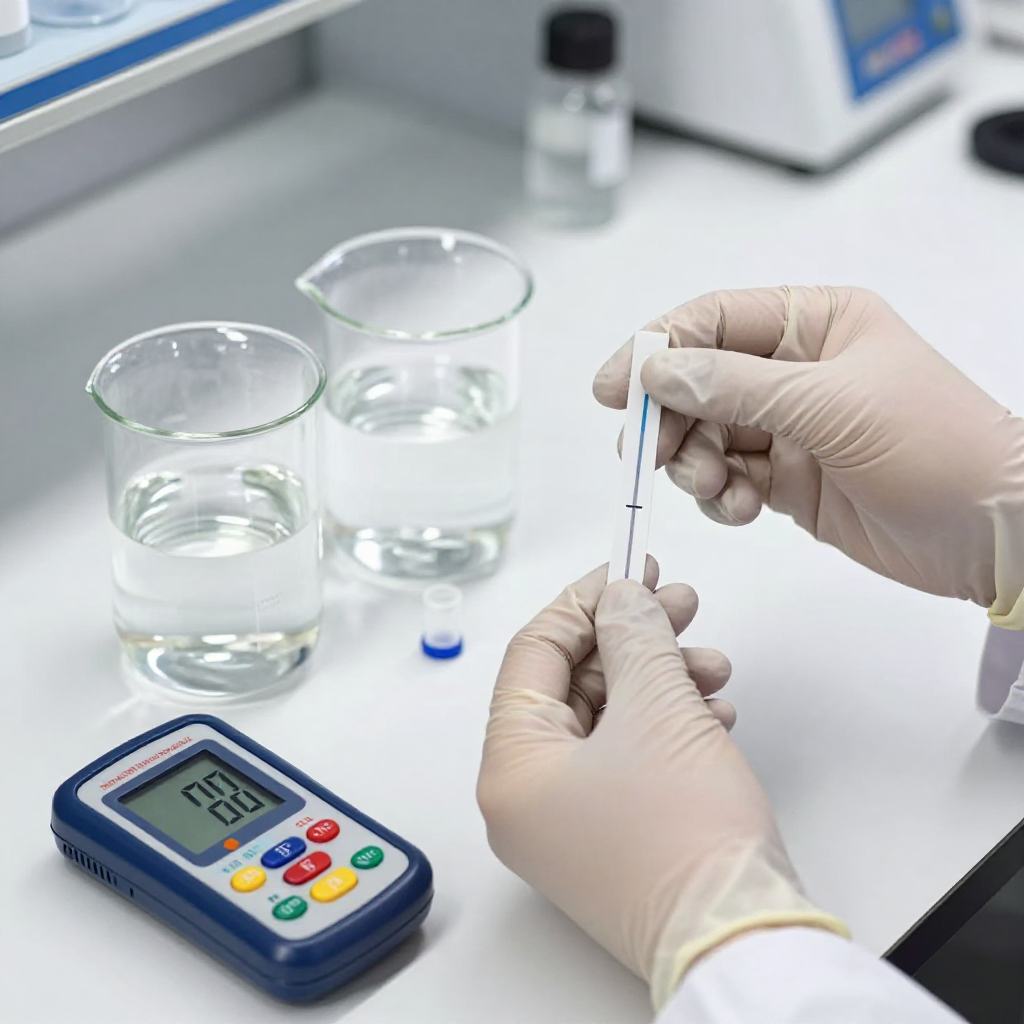
Xiao Lin from formulation did not give us a lecture about chemistry. She asked what had to be tested, and then she listed it: the total hardness of the water expressed as calcium carbonate, the base run in water of a defined hardness instead of deionised water only, clouding and clarity at that hardness, viscosity retention after the system has stood in hard water for twenty-four hours, and a pH check, because chelators and surfactants pull on each other and the pH can walk.
The chelating system is what answers it. A properly built chelator package binds the calcium and magnesium before they can reach the surfactants, so the base keeps its clarity and its body in hard water. The concentration is set by the worst water you intend to sell into, not by the water in the factory, and Xiao Lin is blunt about that: test in the water the customer has, or the test tells you nothing at all.
Scene 4 · Forty degrees inside the container
The second hard point is heat. A container sailing into a west African port can sit with the sun on it, and the temperature inside a sealed drum of aqueous base can climb past fifty-five degrees. Ada had this happen with a different supplier, and the base arrived with a skin on it, the viscosity down, and a customer complaint she had no answer for. She was not being dramatic; she was describing a Tuesday in her warehouse.
So the stability programme for a Lagos run is set at forty degrees and seventy-five percent relative humidity, held for the period the shelf-life claim requires, with the routine checked at intervals rather than only at the start and the end. For a shampoo base the checks that matter are appearance, pH, viscosity at a stated temperature and shear rate, and the microbial count, because heat and time are exactly what move the last one.
On the sea leg itself the logger goes into the container with the drums, not onto the pallet in the trailer. The file comes back to Lagos, it is read on arrival, and it goes into Ada's file with the batch documents. Ethan insists on this because a drum that spent an afternoon above fifty-five degrees and a drum that never saw it are different products, and the only honest way to know which one arrived is to write the numbers down.
One more thing travels with the shipment and gets forgotten until somebody needs it: whether the base was filled hot or cold, whether it needs a slow re-mix before use, and how long it stays usable after the lid comes off. A base that separates slightly on a long voyage is recoverable by mixing, and a base that is not mixed before use is a defect the customer finds first.
Scene 5 · NAFDAC, and who holds it
NAFDAC registration for cosmetics in Nigeria is held by a licensed local party, and for Ada that party is her agent. Imported finished cosmetics and imported semi-finished materials both fall under the registration regime, which means a base crossing into Nigeria is not a grey area that skips the paperwork. May's first job on this project was to sit down with Ada's agent and compare the base against the file already in front of them.
That comparison is not a formality. The agent's file lists a finished product with a composition, and the base Ada will build that product on has to sit inside what was filed, or the agent amends the file and the amendment takes time and money. So the full ingredient list goes to the agent before the first drum is filled, not after the drum has shipped and crossed the Atlantic.
Then there is the line in that market nobody negotiates. Whitening and skin-lightening claims in Nigeria have a red line drawn around them: hydroquinone, mercury and potent steroids are not permitted in cosmetic products, and a base containing any of them does not go out. Ada does not want them in the chain either, because enforcement attention in that market lands on the finished shelf and on the paperwork behind it.
Ethan's version is shorter, and it applies to every market we ship to. If a substance is on the prohibited list of the destination, it is not in the base, and we do not wait for the customer to ask. What Ada gets from us is the base, the specification, the ingredient list, the batch record, the reports and the samples. The registration, the claim and the label are hers, and they stay hers.
Scene 6 · What she actually bought
The first shipment was not a drum order. It was kilogram samples, which is how every base starts with us. A formulation that has been specified, made and documented still has to work inside somebody else's process, and the only way to know is to run it in their plant, on their water, through their filling line. Ada's technical team ran the samples and sent back two questions: how the base behaves when diluted, and how it holds up in a high-foaming line.
After that came a small trial batch, drum quantities rather than pallet quantities, with a full document pack and a logger inside the container. The logger file showed the trip peaking inside the container, and Ada's agent kept a copy for the registration file. That is the moment a base supplier stops being merely qualified and becomes useful to the customer.
The repeat order came four months later, and by then the conversation had moved off the formula. It was about drum handling at her plant, how the retention samples are stored so the file can still answer a question two years from now, how the batch records are archived, and what happens if a drum is opened and held for a month. Supply, not chemistry, is what a second order is really about.
Ethan closed the file the way he closes the ones that go well. The formula is the easy part, he said. The easy part is that we can make the same result again next year and put it in a drum that arrives in Lagos in the state we promised, in the state her compliance file can stand behind. Everything else in this business is selling that one sentence, and the drum is only the container it arrives in.
Frequently asked questions
Q: Do you sell finished products in Nigeria, or only bases?
A: Only bases and semi-finished materials. The finished shampoo on the Nigerian market is Ada's own product, filled, labelled and registered in her name through her licensed local agent. We do not make the retail bottle, and we do not put claims on a drum.
Q: Who holds the NAFDAC registration?
A: The licensed local agent holds it, and the finished product is filed under that registration. Imported semi-finished materials also fall under the NAFDAC regime, so before we fill a drum we send the agent the full composition to compare against the filed file. Any change to the composition means the agent amends the file, and that costs time and money.
Q: What comes in the drum?
A: The shampoo base with a written specification: pH, viscosity range with test temperature and shear rate stated, the microbiological result at filling, the full ingredient list, test reports, safety information for handling, and a retention sample for the batch. MOQ, lead time and price are confirmed per project.
Q: How do you handle hard water?
A: With a chelating system built into the base, so the calcium and magnesium in hard water are bound before they reach the surfactants. The base is tested in water of a defined hardness, not only in deionised water, for clouding, clarity and viscosity retention after twenty-four hours. The concentration is set by the hardest water you intend to sell into.
Q: How is temperature handled on the way to Lagos?
A: The base is stability-checked at forty degrees and seventy-five percent relative humidity, with pH, viscosity and microbial count checked at intervals. A logger goes into the container with the drums and the file is read on arrival. Filling method, re-mix needs and usable life after opening are stated too.
Q: Can the base carry claims?
A: No. A claim belongs to a specific finished composition with its own substantiation, and a base that carries one makes the registration ambiguous. We release the base to the tighter Chinese limits from 1 January 2027: bacterial count for lip, eye and children's cosmetics moves from 500 to 100 CFU/g, and dioxane from 30 to 10 mg/kg.
場景一 · 拉各斯的電話,週一上午
Ada 在週一上午從拉各斯打來電話,她開口問的第一個問題不是配方。一桶有多少公斤。用什麼樣的桶。走哪個港口、哪條航線,海上多少天,集裝櫃到了之後停在哪裡。她已經用慘痛的教訓學到一件事:旱季的拉各斯,和雨季正中的拉各斯,不是同一個地方。
然後她小心翼翼地說出了她真正想要的東西,就像人們在說錯一個詞就要花錢的時候那樣。她需要的是洗髮基料,而不是成品洗髮水。她將化妝品進口到尼日利亞,並在拉各斯的一個小型工廠裡自行填充。她需要一種可以分裝、添加自己香料和活性成分的基料,然後裝入自己的瓶子,貼上自己的標籤和註冊信息。我們生產基料,她完成產品,這句話達成共識的時間幾乎和說出來的時長一樣。
May 提出了將這種項目與普通訂單區分開來的問題。當你們的瓶子在尼日利亞的貨架上時,NAFDAC 註冊上的是誰的名字。Ada 說是她的,通過她的當地授權代理,她還主動補充說代理要求每種原料的完整成分。好,May 說,那麼我們不是在賣你們化妝品,你們也不是在買化妝品。我們是在賣你們原料,而你們是那個在貨架上標注宣稱的一方。
Ethan在談論價格之前設定了第二個條件。罐子上不作任何宣稱。罐子不是標籤產品,帶有宣稱到達的基料不再是基料,而成了需要自己註冊的東西。我們發貨的是有書面規格、完整成分列表、測試報告和批次記錄的配方。她的標籤、她的宣稱、她的註冊和她的名字都歸她自己。
在同一個電話中確定了運輸路線:海運至拉各斯,用托盤裝載的桶裝貨物,並且每個托盤上都要安裝溫度記錄儀,因為西非航線並不是溫帶航線。Ada 問我們之前是否向拉各斯運送過基料。我們運送過,但她得到的回答並不是關於海關代理或文件的問題,而是關於密封桶在高溫下會發生什麼。
場景二 · 洗髮基料是什麼,什麼不是
一款洗髮基料並不是便宜的成品洗髮水。它是一種專門為成品無法輕易做到的事情而設計的配方:運輸和長時間存放在無人問津的桶中。這意味著選擇的表面活性劑系統要能夠保持溶解狀態,穩定和增稠系統要在沒有零售瓶支撐的情況下保持其體積,而防腐系統則要適應大桶在船上遭受的各種損耗,而不是適應小瓶在精心打理的架子上的情況。
Ethan說得更直接。基料是每個人都會複製的部分,沒有人能繞過。Ada添加在其上的東西——她的香氛、她的活性成分、她的顏色、她的包裝、她的宣稱——是容易改變的部分。我們交付的是難以改變且難以做對的部分,並且記錄得非常詳細,以便她的合規文件有堅實的基料。
基料並不意味著標籤上的聲明。桶上沒有任何益處的說明,桶上打印的任何內容都不能被視為對皮膚或頭皮狀況的承諾。這樣的措辭應該屬於有自己支持材料的成品配方。帶有聲明的桶會讓Ada的註冊變得模糊,而註冊文件中的模糊性是昂貴的。
所以交貨時包裝是故意做得簡單的。一個有明確規格的基料:pH值、在指定測試溫度和剪切速率下的黏度範圍、灌裝點的微生物檢測結果、完整的成分列表、支持的測試報告、處理時的安全數據表,以及每批的留樣。Ada拿著那份文件,加上她自己的產品,並通過她自己的代理進行自己的註冊。我們不在那份文件中。
場景三 · 拉各斯的水
這是整個項目裡最要緊的一段,而且是用一句話從 Ada 那裡問出來的:我的客戶家裡沒有軟水。拉各斯用的是硬水,硬水裡全是鈣和鎂,而這兩樣東西一旦碰到表活體系就會把它拆散。她不是在抱怨自己的水源,她是在告訴我們:她的客戶買回去的洗髮水,必須跟我們寄給她的樣品一樣的表現。
接下來發生的情況是沒有人提前定價的細節。硬水與基料中的表面活性劑反應,膠束失去形狀,系統變得渾濁,黏度在客戶瓶子中下降而不是在我們的瓶子中。客戶不會說基料有問題。客戶會說洗髮水太稀,上一家供應商的產品更好。這個投訴從未到達工廠,也從未得到解決,因為損害是在拉各斯的自來水中發生的,而不是在桶裡。
小林從配方部門沒有給我們上化學課。她問了需要測試的內容,然後列了出來:水的總硬度以碳酸鈣表示,使用一定硬度的水代替去離子水進行基料測試,該硬度下的渾濁度和清晰度,系統在硬水中放置二十四小時後的黏度保持情況,以及pH值檢查,因為螯合劑和表面活性劑之間會相互作用,pH值可能會發生變化。
螯合系統就是答案。一個構建得當的螯合劑包會在鈣和鎂到達表面活性劑之前將其結合,因此即使在硬水中,基料也能保持其清澈和質感。濃度應根據你打算銷售到的最差水質來設定,而不是根據工廠裡的水質來設定。小林對此直言不諱:要用客戶的水質來做測試,否則測試結果毫無意義。
場景四 · 貨櫃裡的四十度
第二個難點是高溫。一個集裝箱運抵西非港口時,可能在烈日下曝曬,密封的裝有水性基料的桶內的溫度可能升至五十五度以上。Ada 曾經遇到過這種情況,當時是另一家供應商提供的基料,到貨時表面結了一層膜,黏度下降,客戶投訴讓她無言以對。她並不是在誇大其詞,這只是她倉庫裡一個普通工作日的情景。
因此,拉各斯運行的穩定性方案設定在四十度和七十五 percent 相對濕度下進行,持續時間與保質期聲稱的要求一致,並在間隔期間進行例行檢查,而不僅僅是在開始和結束時進行。對於洗髮基料,重要的檢查項目包括外觀、pH 值、在指定溫度和剪切速率下的黏度以及微生物計數,因為熱量和時間正是影響微生物計數的因素。
在海上運輸過程中,記錄儀被放入裝有桶的容器中,而不是放在拖車的託盤上。文件返回拉各斯,到達後被讀取,然後與Ada的文件和批次文檔一起存檔。Ethan堅持這樣做,因為一個在下午溫度超過五十五度的桶和一個從未經歷過這種溫度的桶是不同的產品,唯一誠實地知道哪個產品到達的方式是記錄下這些數字。
還有一樣東西隨貨一起發出卻往往被人遺忘,那就是基料是熱填還是冷填的,是否需要在使用前慢慢重新混合,以及瓶蓋打開後還能保持可用狀態多久。經過長途運輸後稍微分層的基料可以通過混合恢復,而未在使用前混合的基料則會成為客戶首先發現的缺陷。
場景五 · NAFDAC,以及誰持有它
NAFDAC在尼日利亞的化妝品註冊由當地的持證方負責,而對 Ada 來說,這位持證方就是她的代理。進口的成品化妝品和進口的半成品材料都屬於註冊範圍,這意味著進入尼日利亞的基料並不能避開相關手續。May在這個專案裡的第一項工作就是與Ada的代理坐下來,將基料與他們面前的文件進行對比。
那個對比並非形式上的。代理人的文件中列出了一個成品的成分,而Ada要構建的那個產品必須基於文件中所列的內容,或者代理人修改文件,而修改文件需要時間和金錢。所以完整的成分列表在第一個桶被裝填之前就要交給代理人,而不是在桶已經發貨並橫跨大西洋之後。
在那裡有一條市場規則,那就是價格不能議價。在尼日利亞,美白和膚色亮白的宣稱有一條紅線:水楊酸、汞和強效類固醇不允許用於化妝品中,含有這些成分的基料不會出貨。Ada 也不希望這些成分出現在供應鏈中,因為該市場的執法注意力集中在成品貨架上以及其後的文件上。
Ethan的版本更短,適用於我們發貨到的每一個市場。如果某種物質在目的地的禁用名單上,它就不會出現在基料中,我們不會等待客戶詢問。Ada從我們這裡得到的是基料、規格、成分列表、批次記錄、報告和樣品。註冊、宣稱和標籤是她的,她會一直擁有這些。
場景六 · 她真正買的是什麼
第一批貨物並不是整桶的訂單,而是千克級別的樣品,這是我們每個基料開始時的標準流程。一個已經指定、製作並記錄的配方,仍然需要在別人的過程裡運作,唯一知道它是否可行的方法就是將其在他們的工廠裡運行,用他們的水源,通過他們的填充線。Ada的技術團隊運行了這些樣品,並回傳了兩個問題:基料在稀釋後的行為表現,以及它在高泡沫生產線上的耐受性。
那之後來了一小批試產,數量是以桶計而不是託盤計,附有一整套文件,並且貨櫃內還裝有記錄儀。記錄儀文件顯示貨櫃內的溫度峰值,Ada的代理保留了一份副本用於註冊文件。這一刻,基料供應商不再只是合格,而是對客戶變得有用。
四個月後重復訂單來了,那時的對話已經不再圍繞配方進行。而是討論了她工廠裡的桶裝處理問題,如何保存留樣以便兩年後還能回答相關問題,批記錄如何歸檔,以及如果一個桶被打開並存放一個月會發生什麼。第二次訂單真正關注的是供應,而不是化學。
Ethan合上了那份做得順利的文件。他說,配方是簡單的部分。簡單之處在於我們可以明年再做出同樣的效果,裝進一個運往拉各斯的桶裡,確保它到達的狀態和我們承諾的一樣,確保合規文件能夠支持這一點。這個生意的其他一切都是在推銷那一個句子,而那個桶只不過是它到達時的容器而已。
常見問題
Q:你們在尼日利亞賣成品,還是只賣基料?
A:只提供基料和半成品材料。尼日利亞市場上銷售的成品洗髮水是Ada自己的產品,通過她的當地授權代理商進行灌裝、貼標與註冊。我們不生產零售瓶,也不在桶上做宣稱。
Q:NAFDAC 註冊由誰持有?
A:註冊由當地持證代理持有,成品也是按照那個註冊來備案的。進口的半成品材料也同樣受 NAFDAC 制度約束,所以在裝桶之前我們會將完整的成分列表發送給代理,與備案文件進行對比。如果成分有任何變化,代理就需要修改文件,這會耗費時間和金錢。
Q:一桶裡裝的是什麼?
A:洗髮基料的書面規格:pH值、在指定測試溫度和剪切率下的黏度範圍、灌裝時的微生物檢測結果、完整的成分列表、測試報告、處理安全信息以及批次保留樣品。MOQ、交貨期與價格按項目確認。
Q:如何處理硬水?
A:基料中內置了螯合系統,因此在鈣和鎂到達表面活性劑之前就會被結合。基料在特定硬度的水中進行了測試,而不僅僅是去離子水中,測試內容包括在二十四小時後的渾濁度、透明度和黏度保持情況。濃度是按你要賣到的最硬水質設定的。
Q:溫度在前往拉各斯的路上是如何處理的?
A:基料在四十度和相對溼度百分之七十五的條件下進行了穩定性檢查,pH值、黏度和微生物數量也定期進行了檢測。記錄儀與桶一起放入容器中,文件在到達時讀取。灌裝方法、重新混合的需求以及開封后的使用期限也一併說明。
Q:基料可以帶宣稱嗎嗎?
A:不,聲明屬於具有自身佐證的特定成品配方,而帶著它的基料會使註冊變得模糊。我們從2027年1月1日起將基料的限制調整到更嚴格的中國標準:唇部、眼部和兒童化妝品的細菌計數從每克500個降至100個菌落形成單位,二噁英含量從每千克30毫克降至10毫克。
Questions about this process?對這道工序有疑問?
Ask us and we will answer in writing, with the batch records to back it up.問我們,我們會以書面回覆,並附上批記錄。